ENDLESS FIELDS OF CORN AND SOYBEANS TO CAIRO
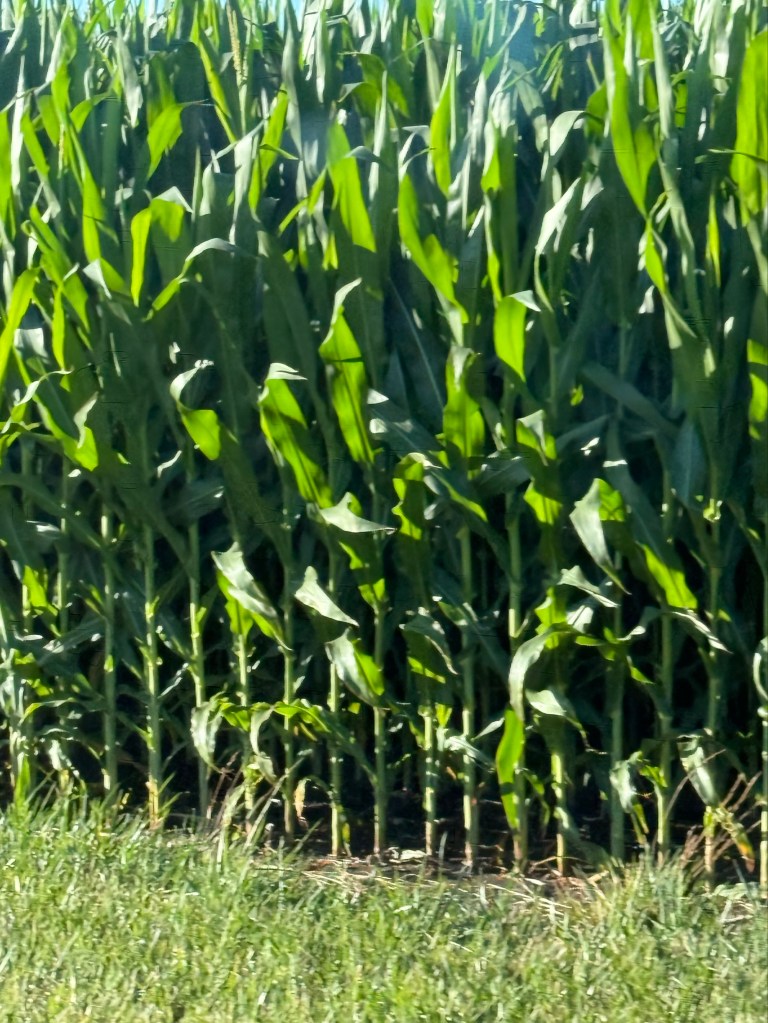
Susie had been told by a friend that we needed to visit Cairo, named after the Egyptian city but pronounced Cayroe. So we drove on back roads across Kentucky past endless fields of corn and soybeans, each extending to the horizon. At first in Kentucky there were also woodlands but as we came to Illinois the land was flatter and the woodlands disappeared and all there was were these enormous lush fields. The soybeans were planted so close together that they seemed to be giant green rug. But it was corn that amazed me. The lush fields of dark green corn were nothing like the corn grown on the Warren Wilson College farm with spaces between rows and between stalks. It is easy to walk through a Carolina corn field. The Illinois stalks were only three inches apart, impenetrable, and instead of being as high as an elephant’s eye as in the song, the heavy heads were only five feet above the ground. This was all hybrid corn, genetically modified corn in the old fashioned way with hybrid seed corn grown by huge companies and sold to farmers. Instead of saving some corn as seeds, all the seeds came from specially grown corn. But this super corn grew so thick and heavy, sheathed in broad green leaves, because it was watered by huge machines that lumbered across the fields, was abundantly fertilized which washed into rivers producing a thick white foam, corn that could only be managed by giant machines standing two stories high which would cut and chop the corn which would then be stored in huge central silos. All of this corn went into ethanol for powering automobiles or was used for feeding herds of cattle in the huge lots in states to the west where the cattle were fattened and butchered and cut up and distributed. We saw almost no cows in Illinois or Iowa, all the feed was being shipped further west.
It was very clear to this outsider who knows little about agriculture that large scale commercial agribusiness had bought the land and driven the small farmers out of business and with the loss of the farmers the small towns that service the farmers were decaying. The old style family farms were bulldozed away and and the town business centers lost all their business and were becoming either ghost towns or bedroom communities with people shopping at the large stores along the highway in nearby larger towns. I don’t know all the uses of soybeans, but doubt very much if much of the crop went to feeding people.
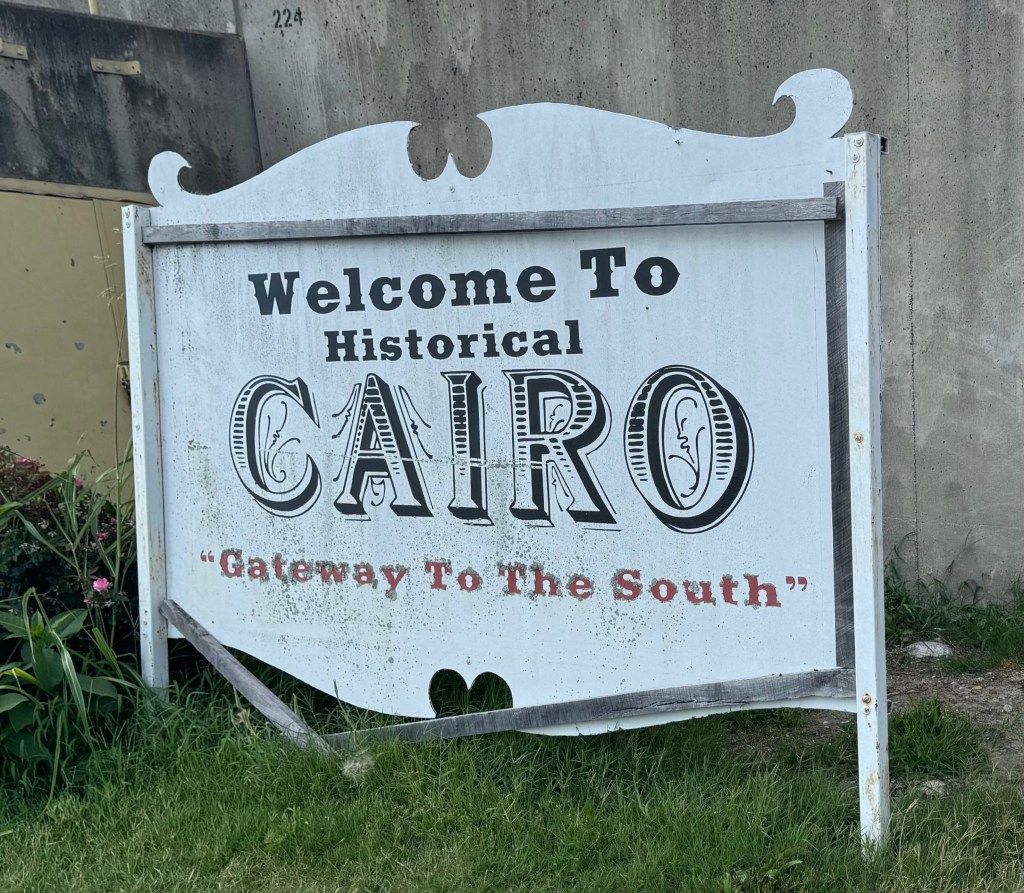
But our destination was Cairo, which in the novel Huckleberry Finn, is where the the Ohio rivers joins the mighty Mississippi, where Huck and Jim, who was trying to escape slavery took the wrong turn and headed south rather than back up north to freedom.
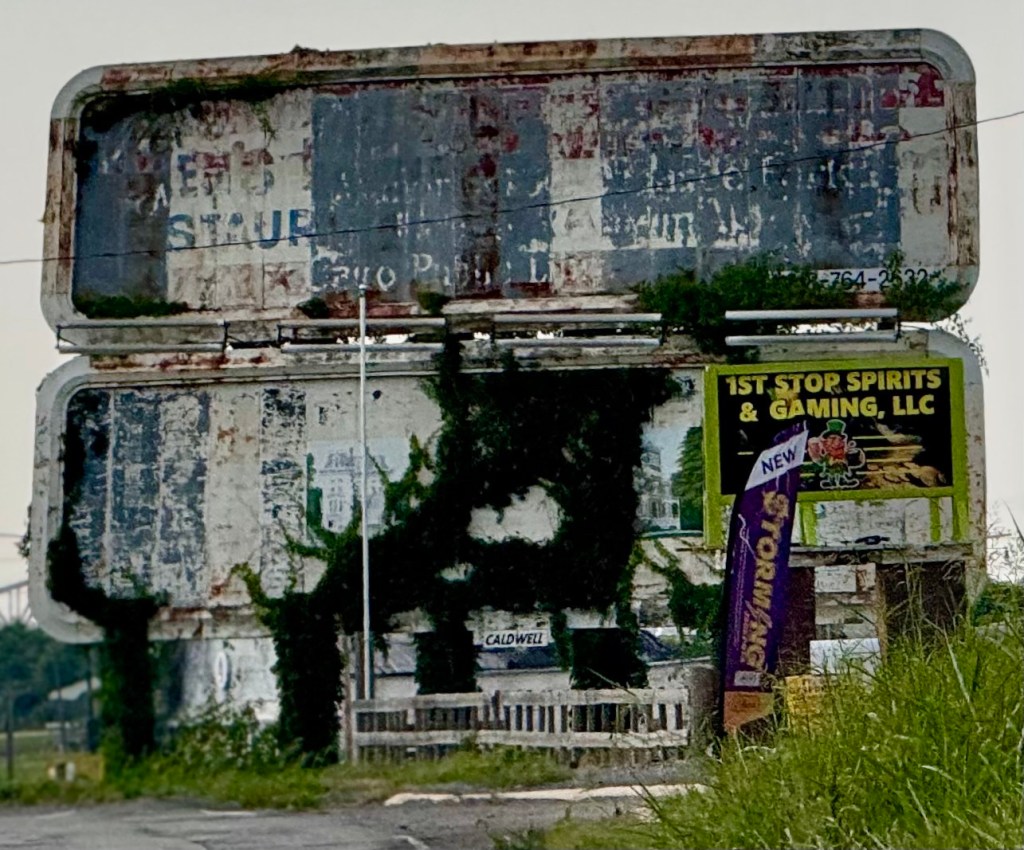
Cairo had once been a large town on a major river trade route, but it was also on the Underground Railroad bringing enslaved Africans from the South to freedom in the North. A number of the formerly enslaved people settled here. But after the Civil War there was great tension between the large number of formerly enslaved Africans and the white merchant class in town. In one particularly horrifying lynching a black man was accused of molesting a white woman and was lynched in front of a crowd of 10,000 cheering whites and shot hundreds of times and dismembered. The period of segregation after the Civil War further enflamed tensions and when after Brown vs the Board of Education ruling by the Supreme Court ended segragation the whites in town refused to desegregate the schools and filled the community swimming pool with dirt. So the black community boycotted the white stores in the elegant buildings that lined the main streets which forced the whites to abandon the city. Now the wide avenues are lined with derelict buildings and the population has dropped to a couple of thousand. The city died because of racisim.
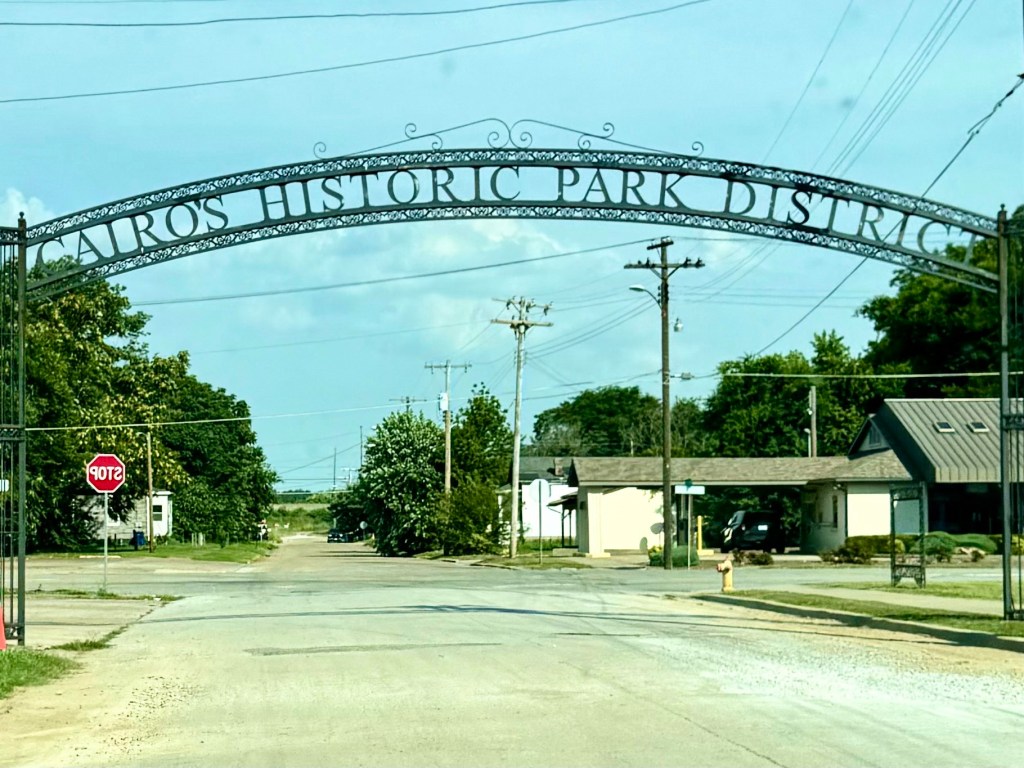
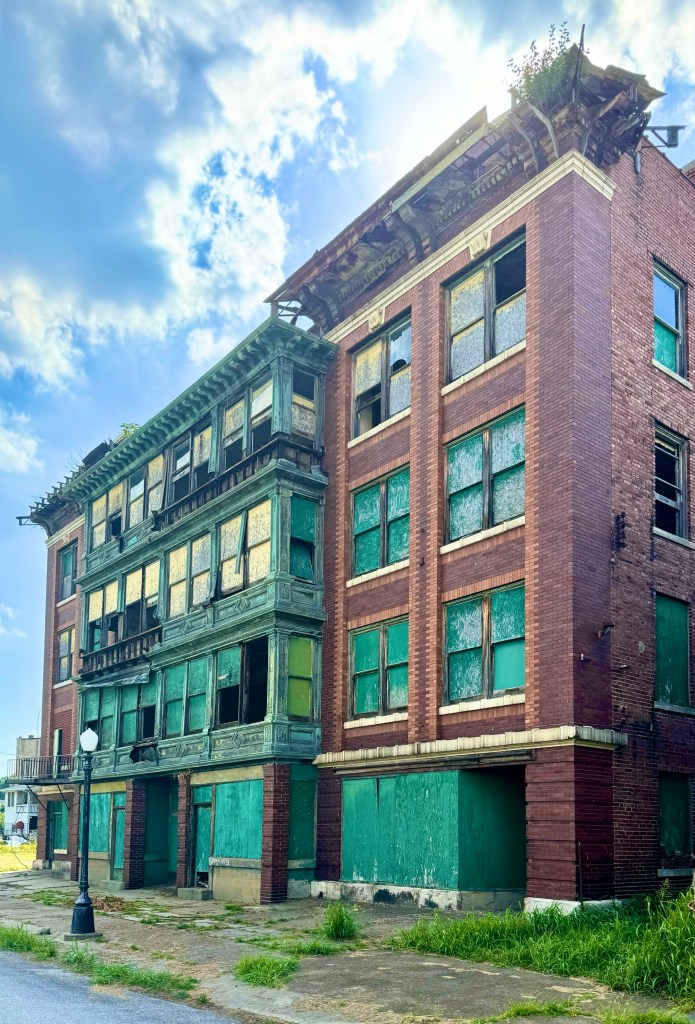


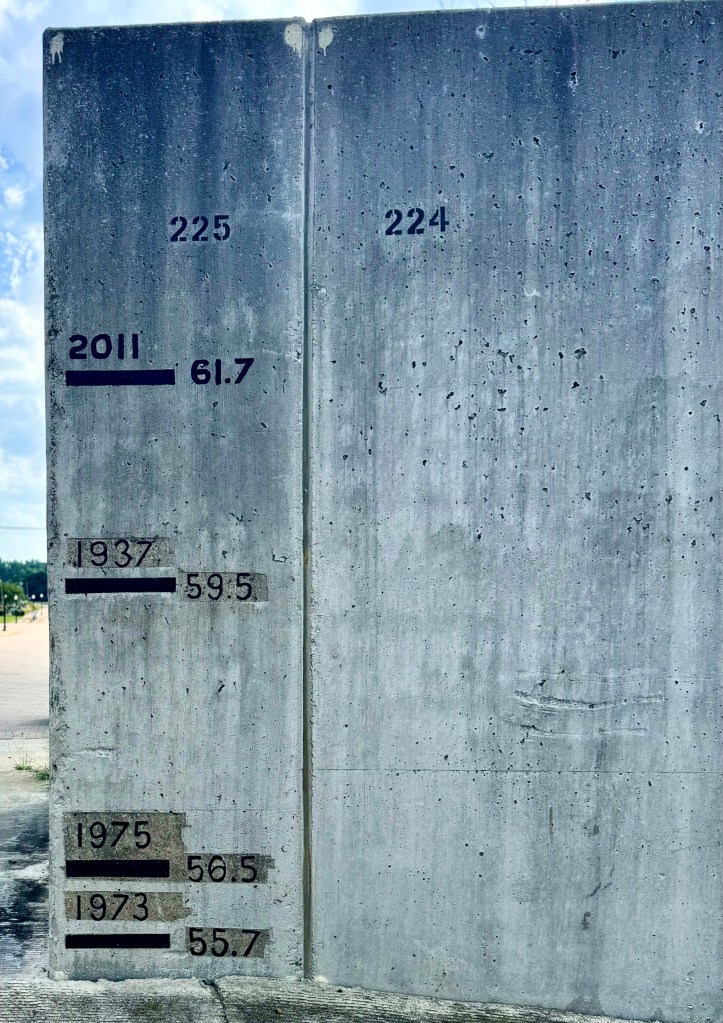
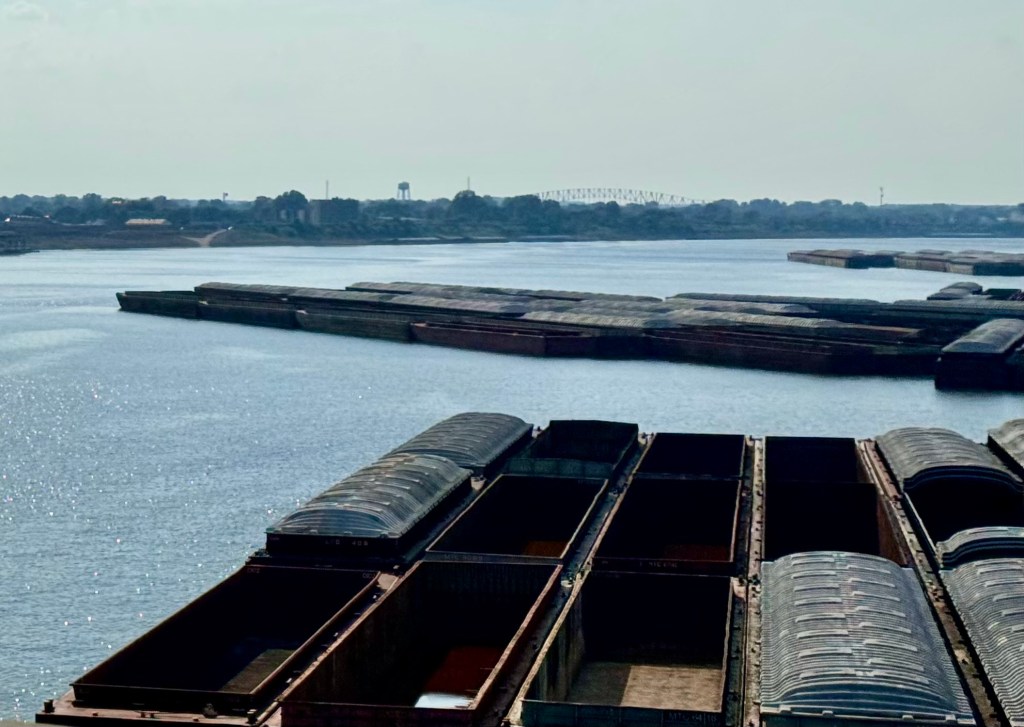
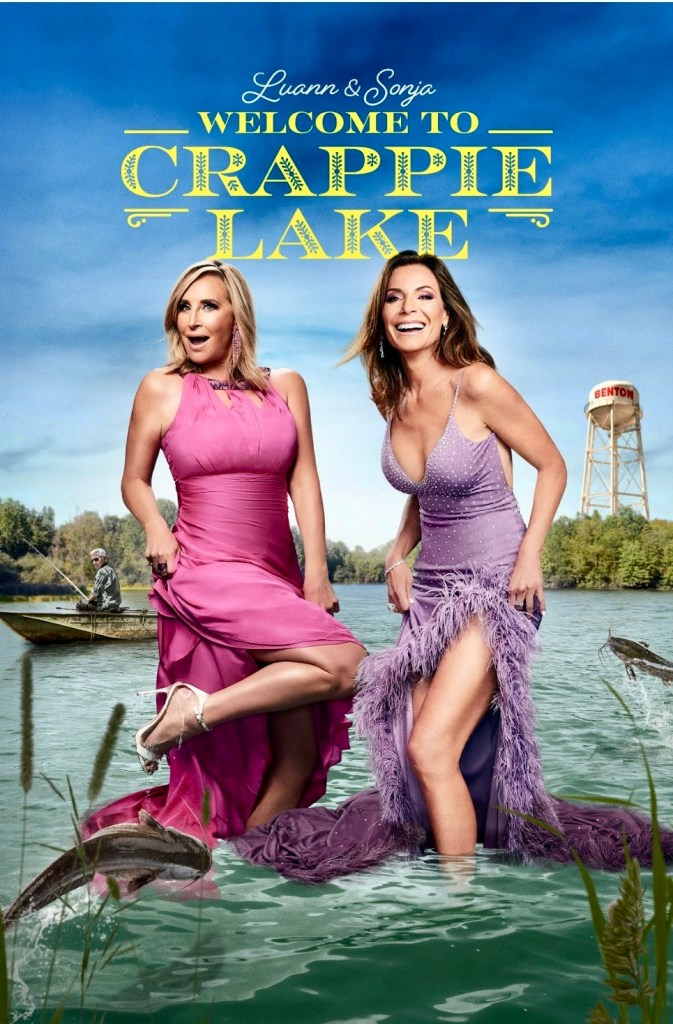
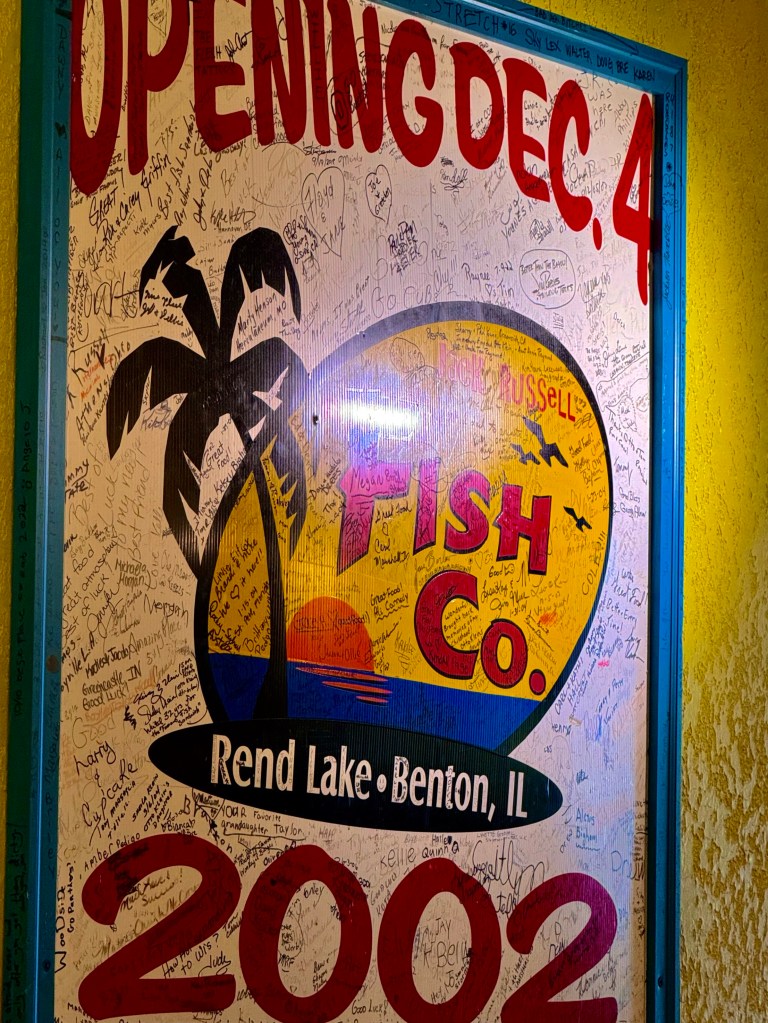
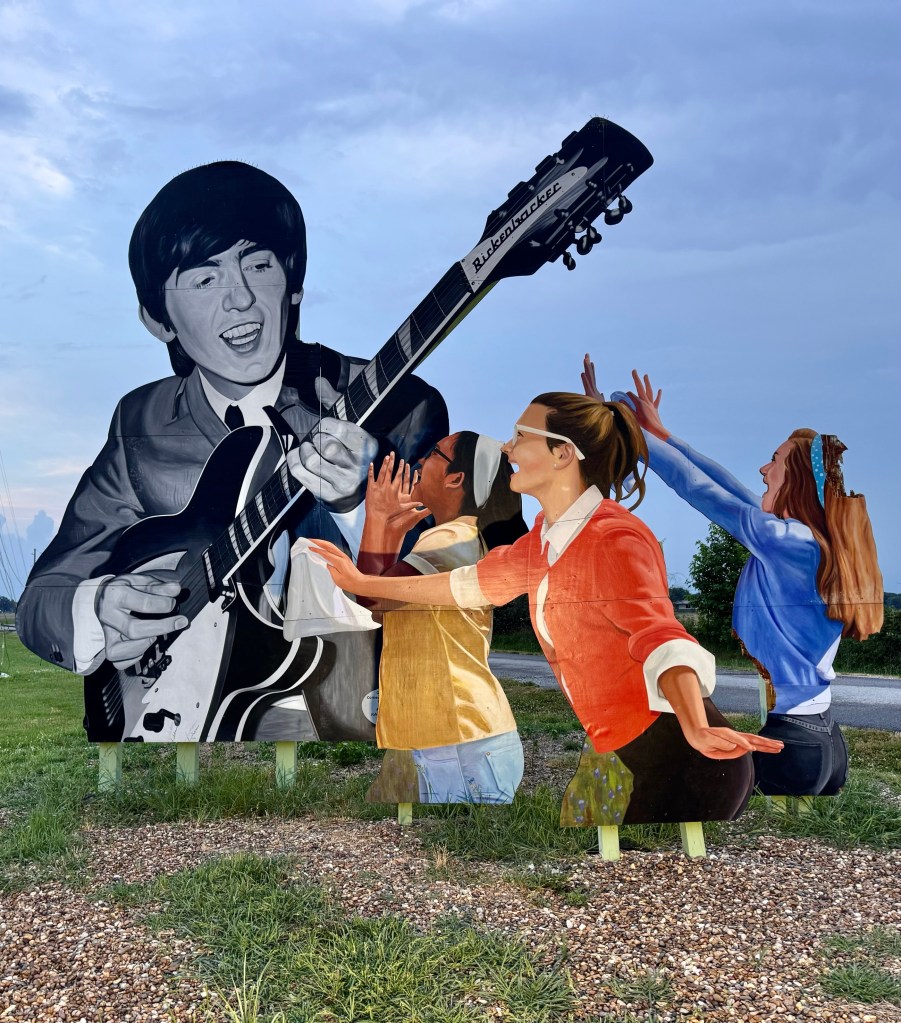
We drove through the deserted streets, taking photographs, looked at the levies built to hold back the huge flooding that has often damaged the city which sits on a narrow flood plain between the two rivers, and then drove on to the small town of Benton for the night, where we stayed at the Benton Motel. We ate at a fish place that night. We have read up on Benton’s connections to the Beatles George Harrison who came to Benton to visit his sister who was married to an American mine engineer before the Beatles were famous in the United States. We drove around town and saw an artist’s tribute to George Harrison lighted at the edge of the Interstate. We returned to the motel and after going to bed a furious rainstorm with pouring rain and rumbling thunder pounded us. I slept fairy well in the gravity chair but was cold because of the intense airconditioning until I put on a sweater and covered my blanket with two layers from the bed next to me.

 BILLYBABA’S WANDERING