GOSHALA
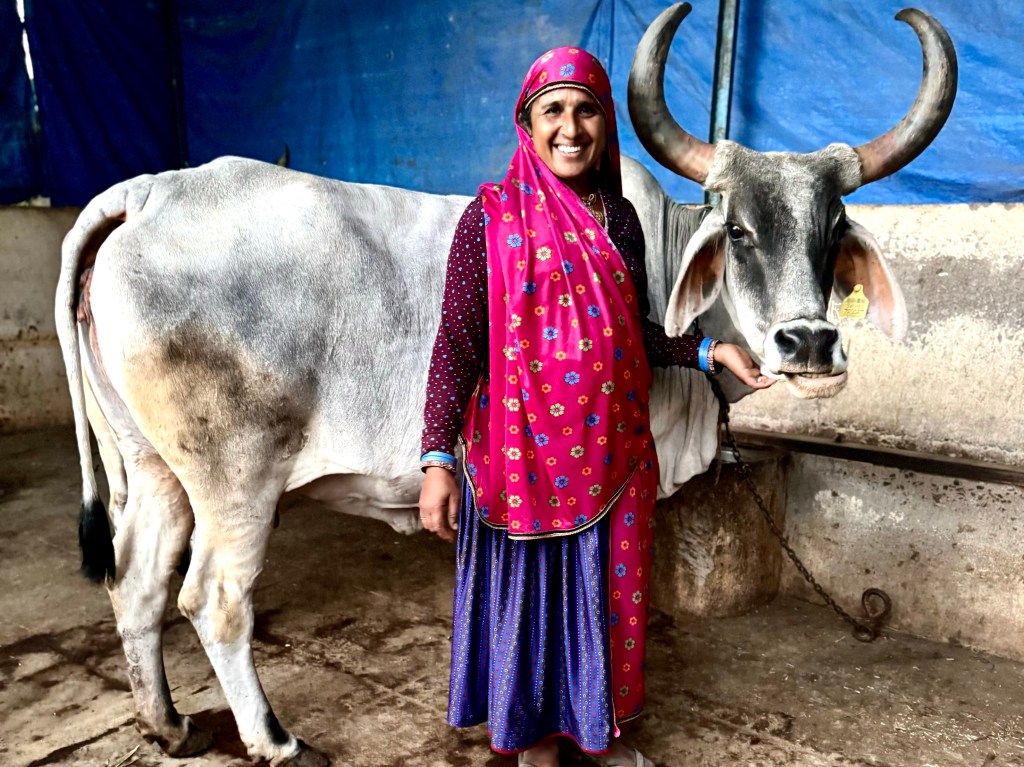
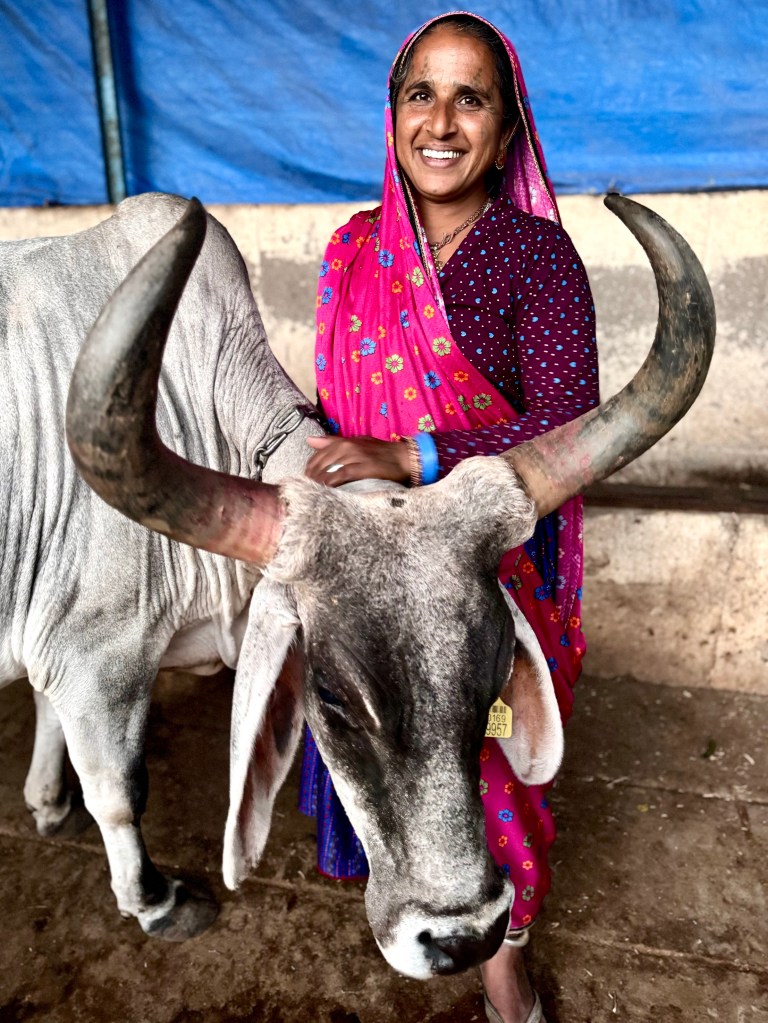
Tonight and last night Shilpa invited me to go for a walk saying it was good for our health. But it was a short walk, just down the road a little ways to the goshala, the cattle pen for the cows owned by the Ashram, often gifts from doners.
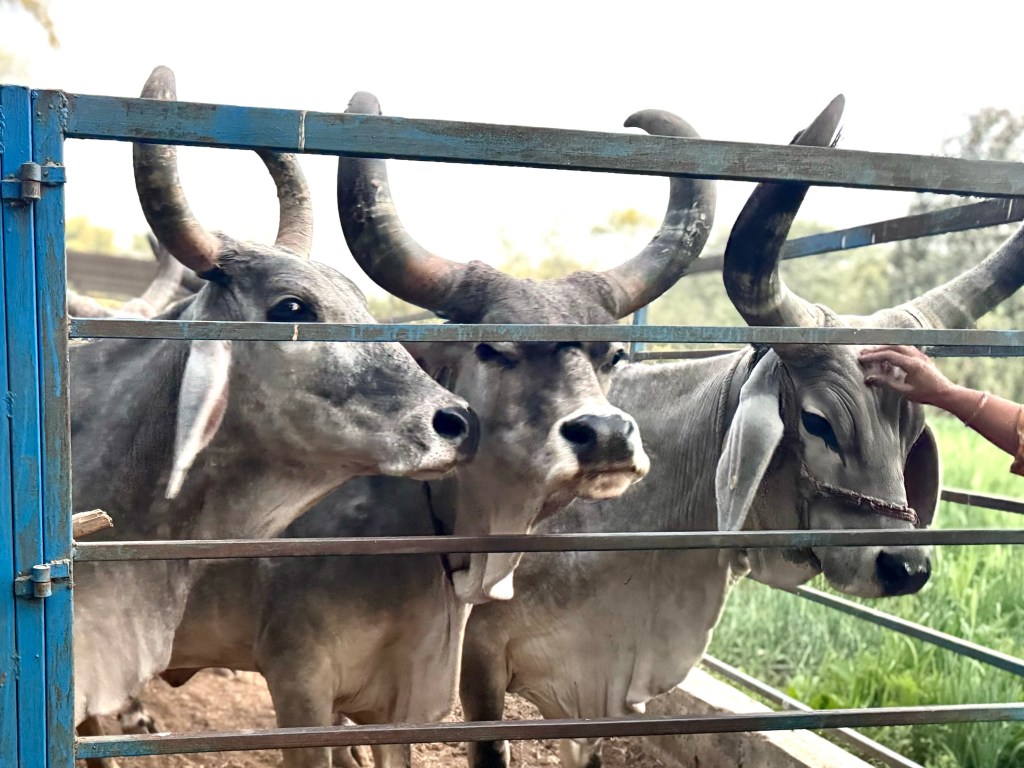
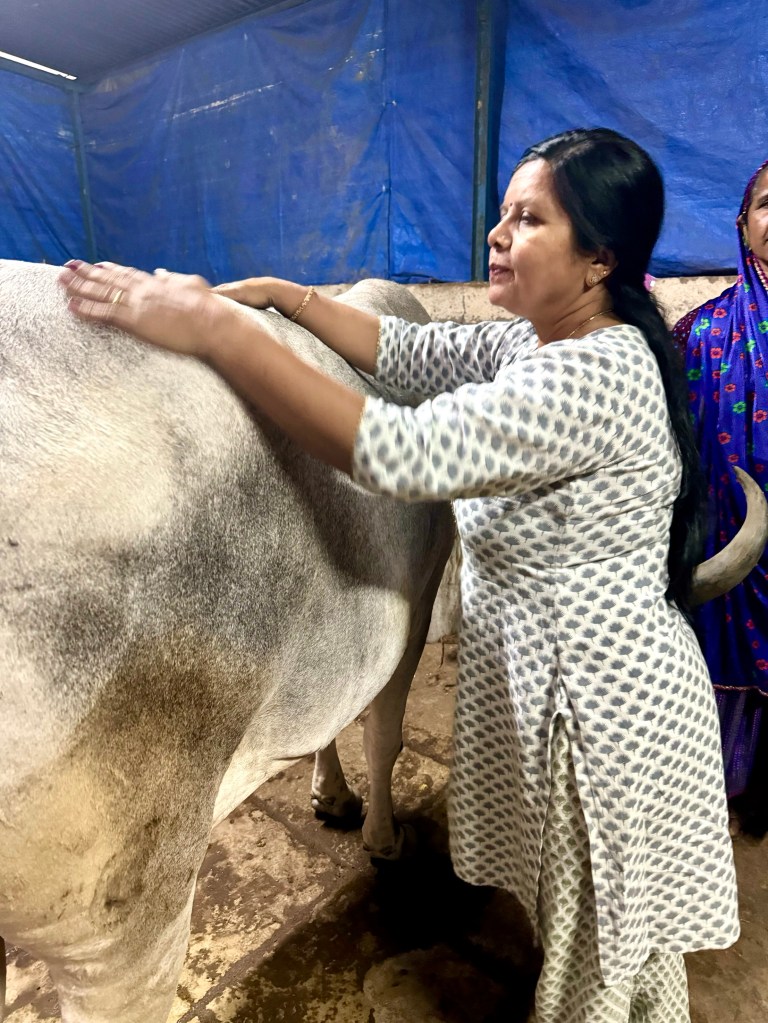
The cows produce milk and ghee, clarified butter, much in demand by city dwellers who value the purity of the ghee. But I slowly realized that there was much more to the visit than a walk. Ghee is used in cooking and in the Hindu way dealing with the world ghee is connected with ritual purity which is also the basis of the caste system. There are levels of ritual purity and those at the top of the ritual purity hierarchy are the most ritually pure, and need the purest food cooked with ghee. But there was much more than that that made the goshala special for Shilpa. First there was the presence of the cows, themselves. The cows at the goshala have fearsome horns but they seem to be docile and gentle and love being fed and being rubbed, particularly on their neck folds. While they seem to roll up their eyes with pleasure, a little like a dog having its stomach rubbed, the act of rubbing a cow is said to be very good for the health of the person doing the rubbing and a cure for all kinds of ailments. So rubbing a cow, as I did, has good effects in both directions. When Shilpa makes her evening walk to the goshala it is not for exercise, it is more a form of meditation and a way of finding peace.
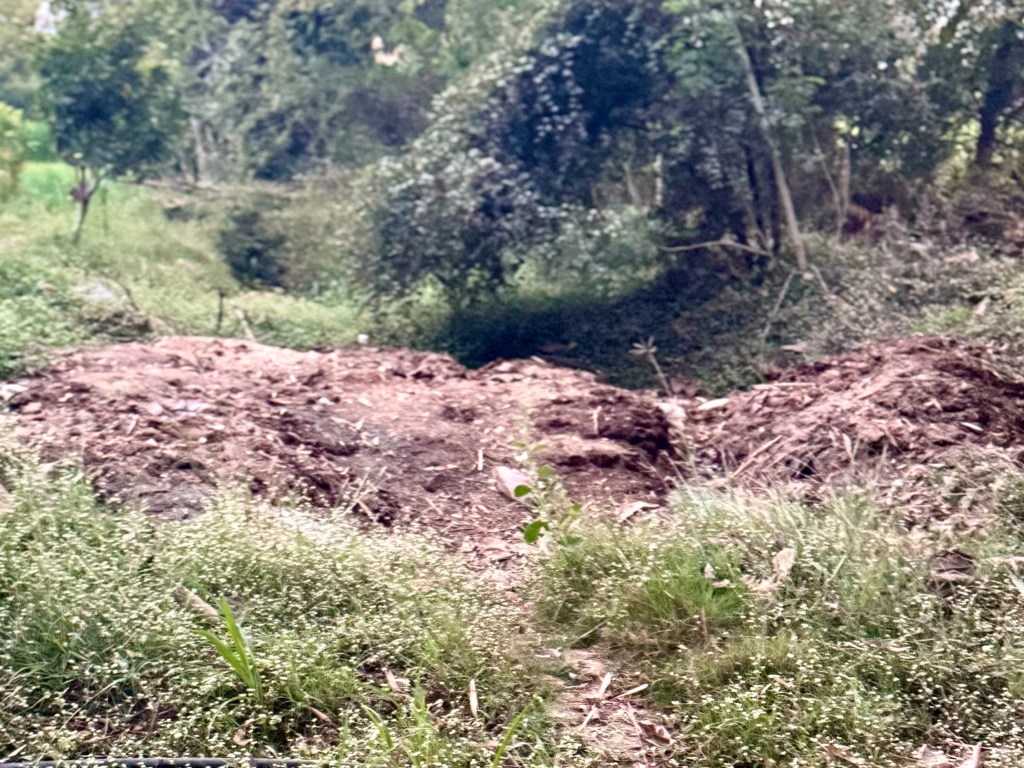
But there was another purpose of the goshala. The dung the cows produced was almost as important as the milk and ghee. The dung was kept in a large pit, mixed with leaves and other things and used as fertilized in the Ashram fields.
A concoction of dung, urine, leaves and a great deal of water was used as an organic spray to prevent insects from damaging the crops. And all of this was being taught to villagers who came for training sessions in organic farming. So the goshala served many functions.
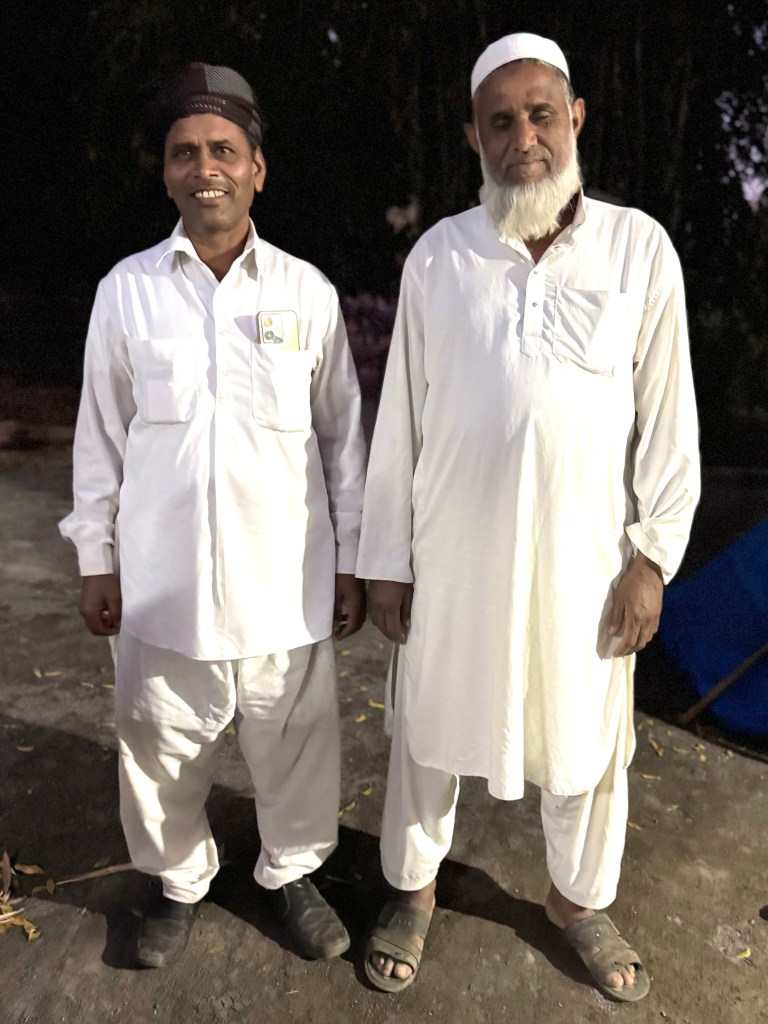
Yesterday when we were at the goshala two men, driving by, stopped their car and came down to sit with us. It was Shankarbhai (Shankar brother) Gafurbhai (Gafur brother). Brother is added as a Gandhian way of bringing putting everyone on the same social level (Behn, sister, is added to women’s names, Shilpabehn). Shankarbhai is a Hindu and a very powerful politician, Gofarbhai is a Moslem and a big landowner. Both were helpful in founding the Ashram in Virampur. They are good friends with each other and with Shilpa and with Hasmukh.

Sitting on charpoys, string beds at night, couches during the day, they had a meeting with Shilpa about the rich doners who are visiting the Ashram tomorrow and who have already committed large amounts to the support of the Ashram. They laughed and joked and talked, all in Gujarati, which I don’t understand at all.
And then we left. And on the short way back to the Ashram Shilpa told me that they just happened to stop by. They were on their way to a village with another mission. A tribal villager had murdered another tribal villager over a land dispute and they were on their way to the village to help sort things out and to decide the fate of the murderer. The police had not been called. Tribal villagers have their own way of settling disputes through talking things out. Shankarbhai and Gofarbhai, who had been joking and laughing with us, were going to lead the discussion and to help the people of the village to find justice in their own way.
What I thought was a walk for my health turned out to reveal a great deal more and showed me the difference between my accepted world view, afraid of cows in a pasture and eating them when I can, along with little sense of Indian justice and the world view of the people I have lived with for a couple of weeks.
 BILLYBABA’S WANDERING