BACK TO THE VILLAGE
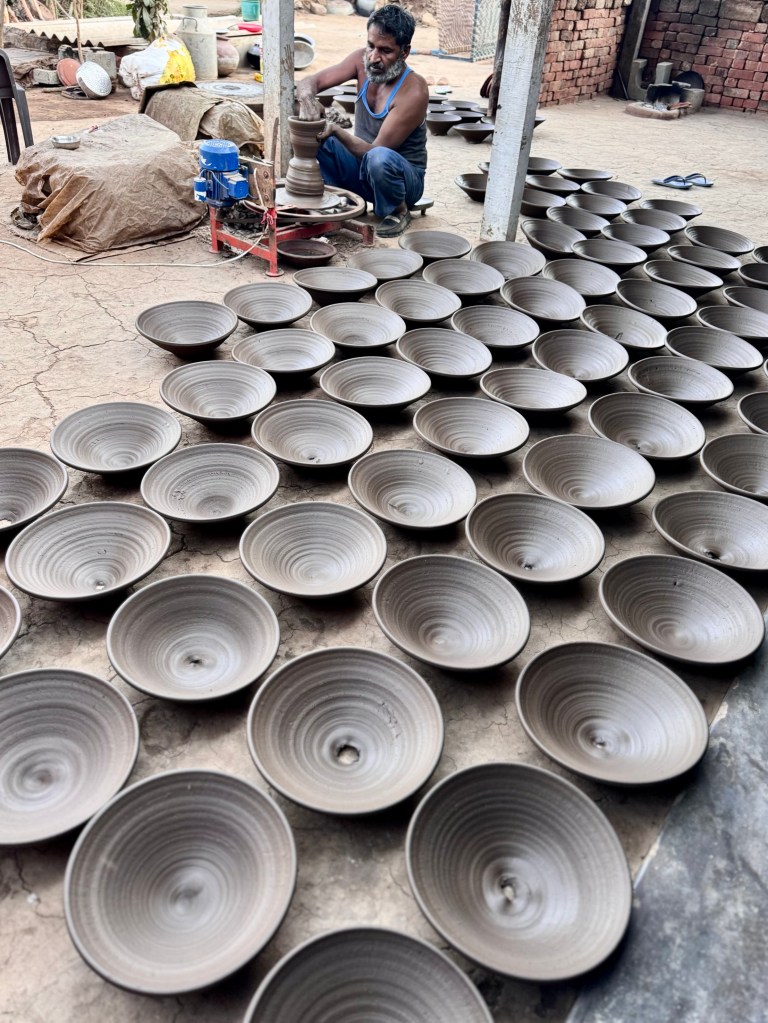
After I wrote that, in the late afternoon, I was taken by Jogesh to another nearby village where we first visited a potter’s home where they make clay pots for sale in the biggest nearby market town, Porbandar. Nothing has changed in the last 50 years for them except that use and electric potter’s wheel rather than one spun by hand.

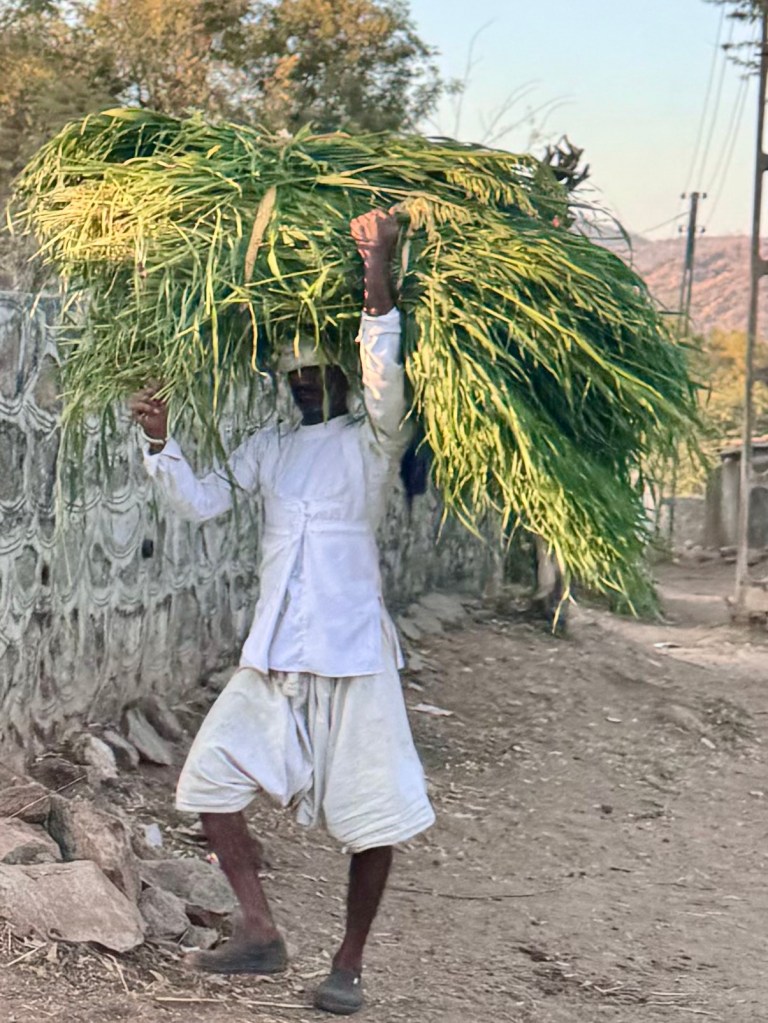
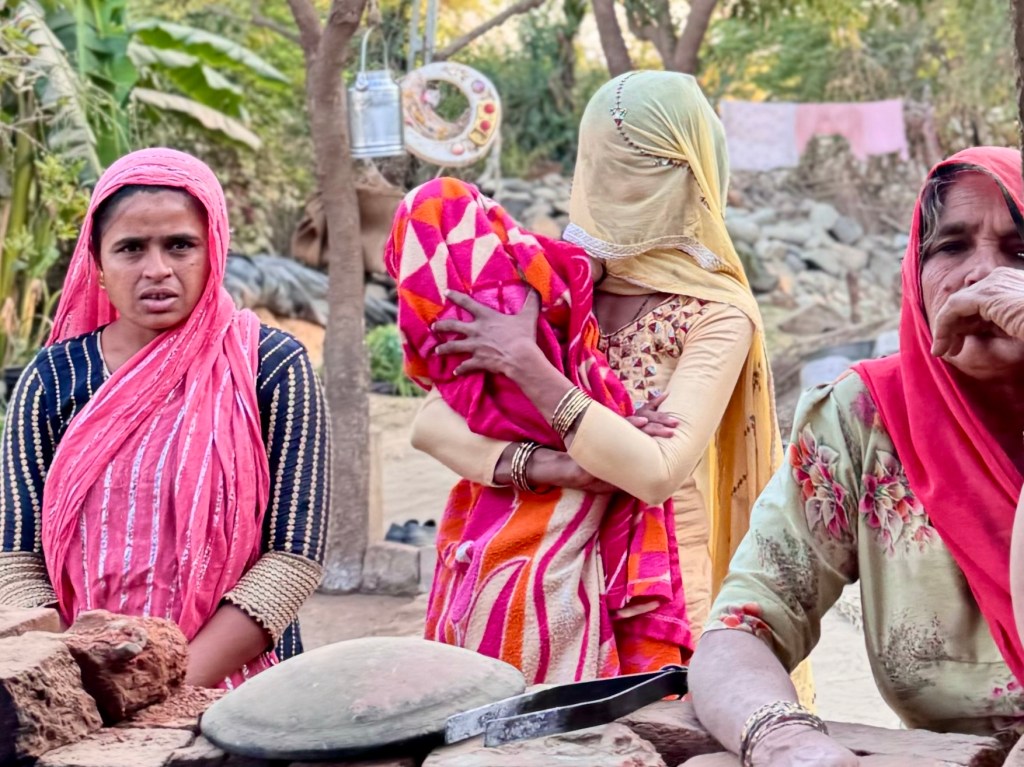
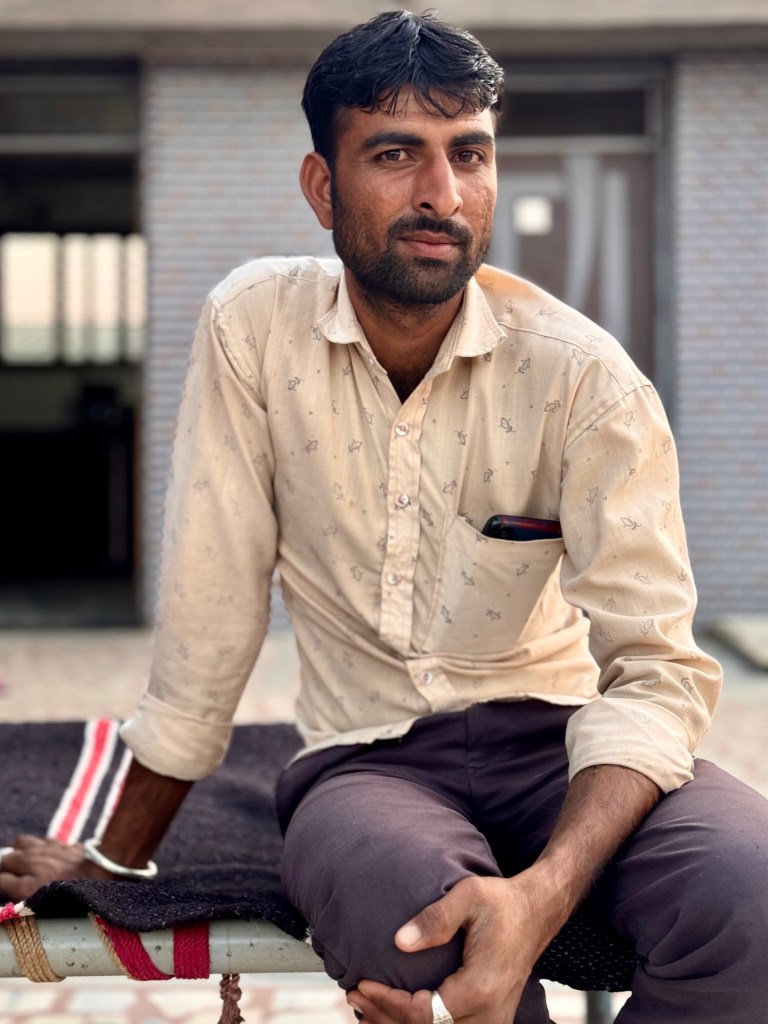
And then we went on to visit two Rabari, herder’s, family homes where the courtyards were filled with water buffalos and cattle. The second family were three brothers living in houses side by side, a joint family, with the male children intending to live there as well. It is very much a male dominated patriarchal society, with the girls married away in arranged marriages, some even arranged shortly after the birth of a girl. All the women seemed content and smiling, often with their faces partially, or all the way, covered from male outsiders, but their lives are so different from that of American daughters.
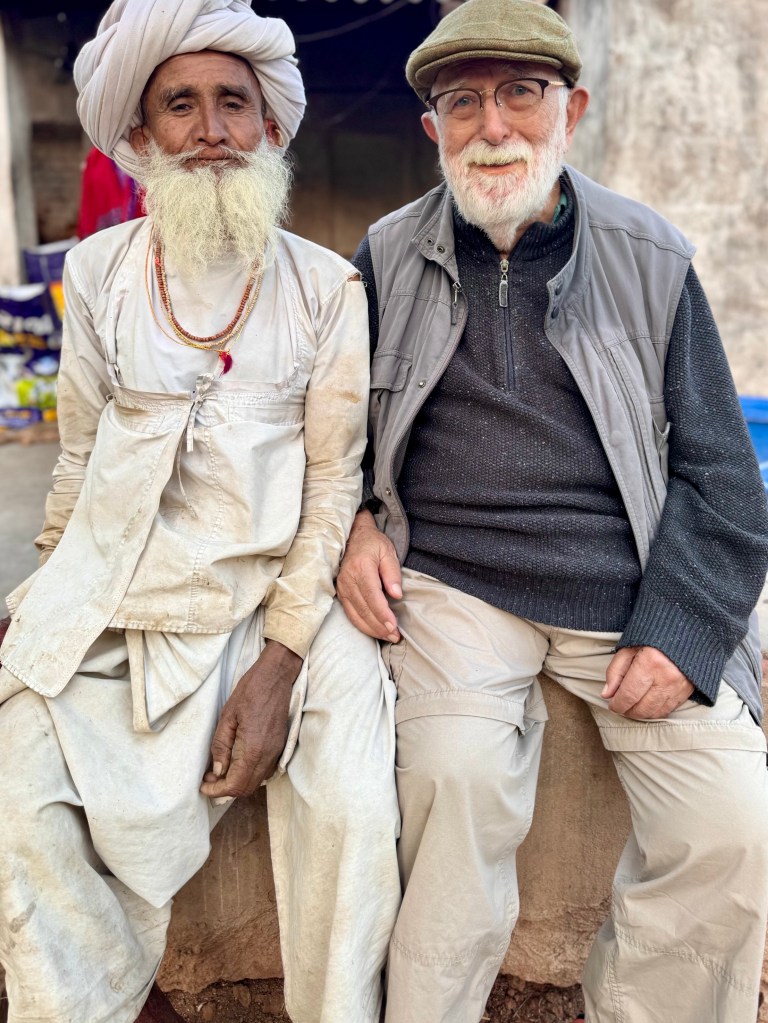
The photo of me with an old Rabari gentleman, 77 years old somehow symbolizes this complete difference in cultures.
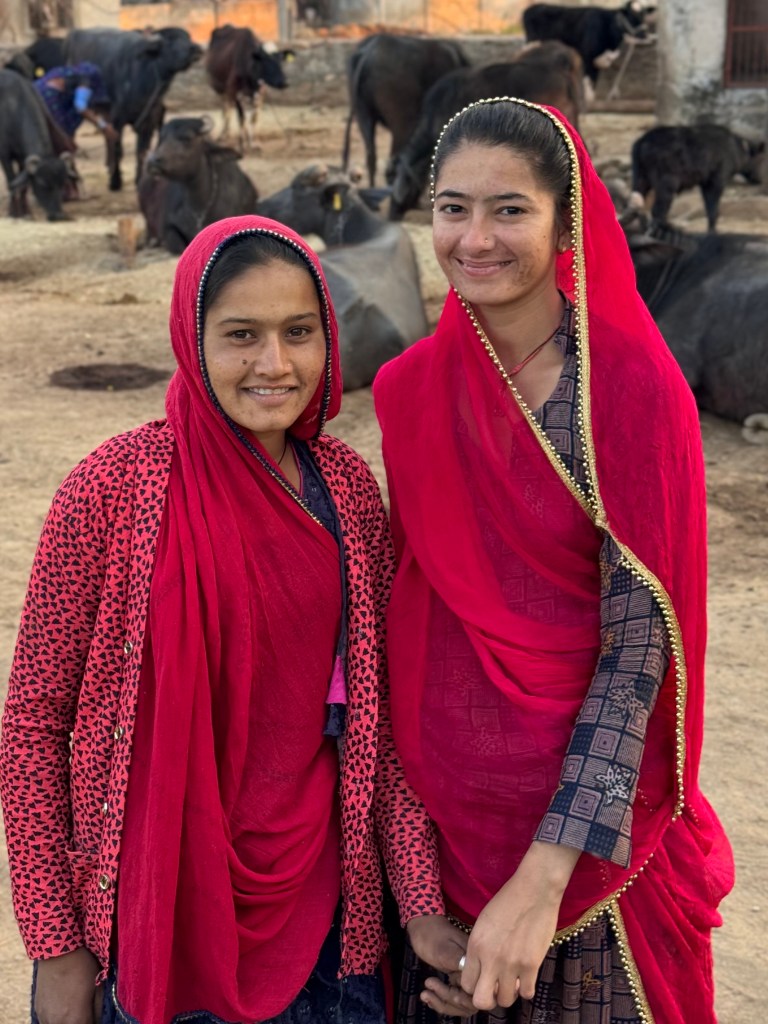
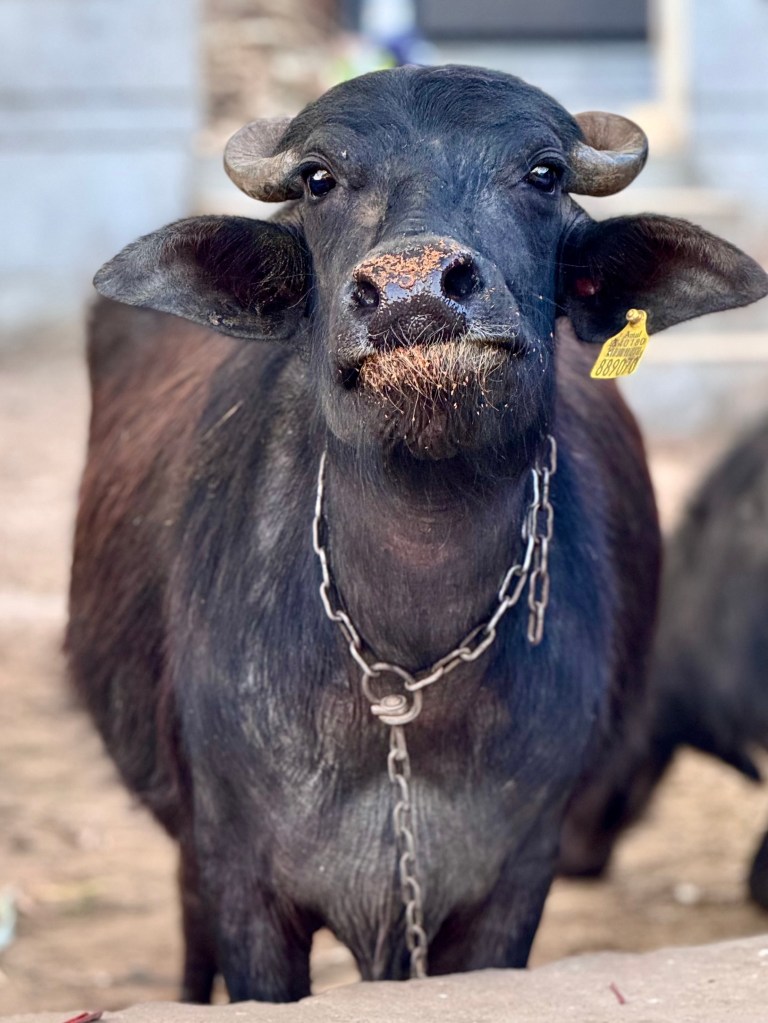
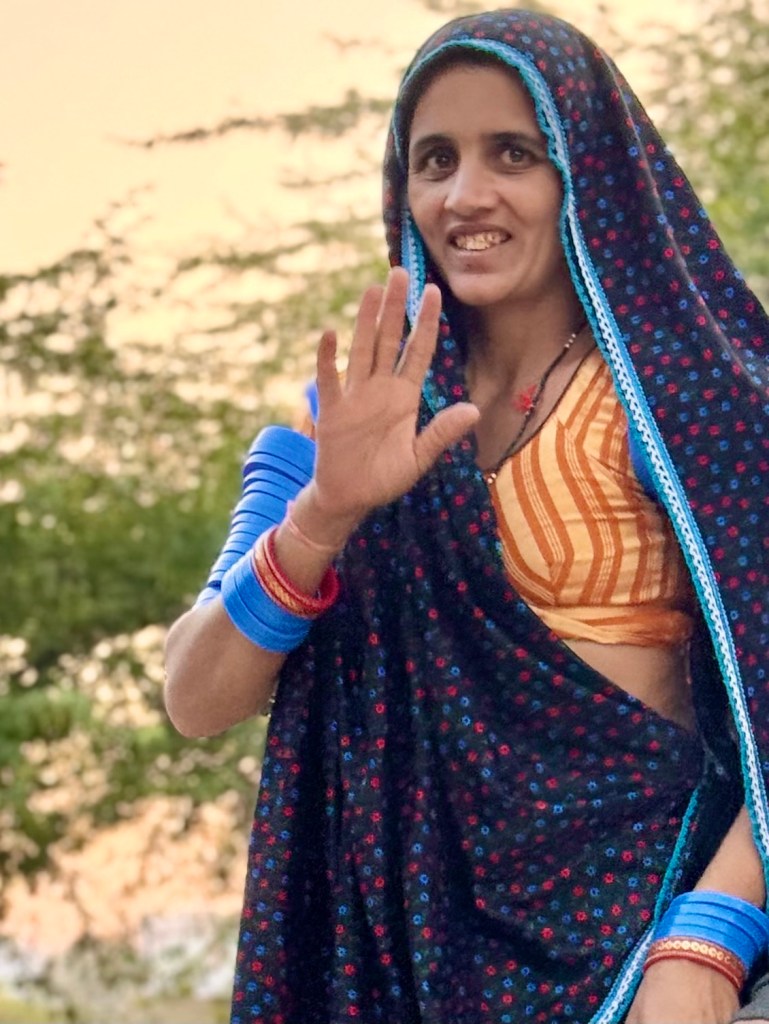
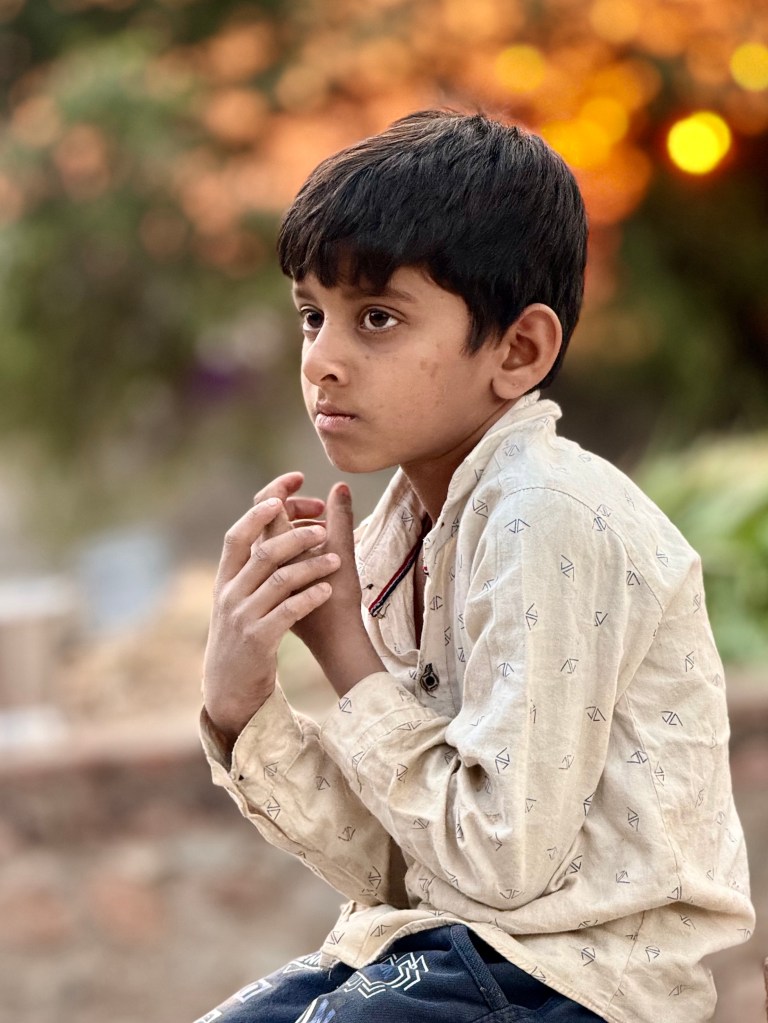

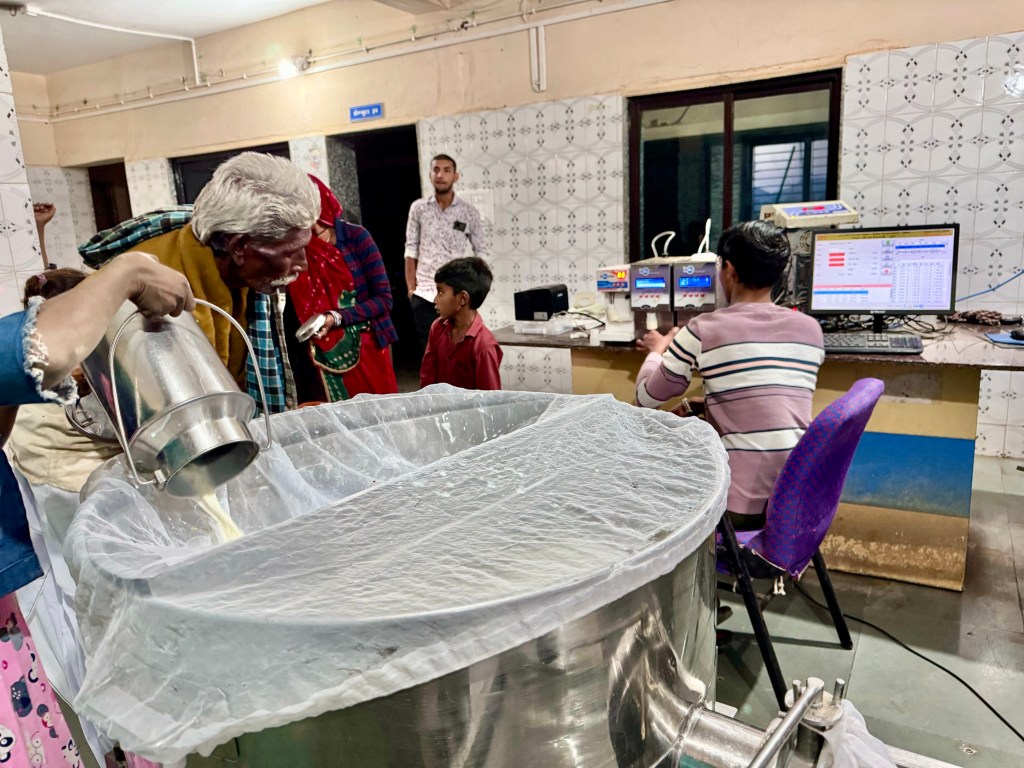
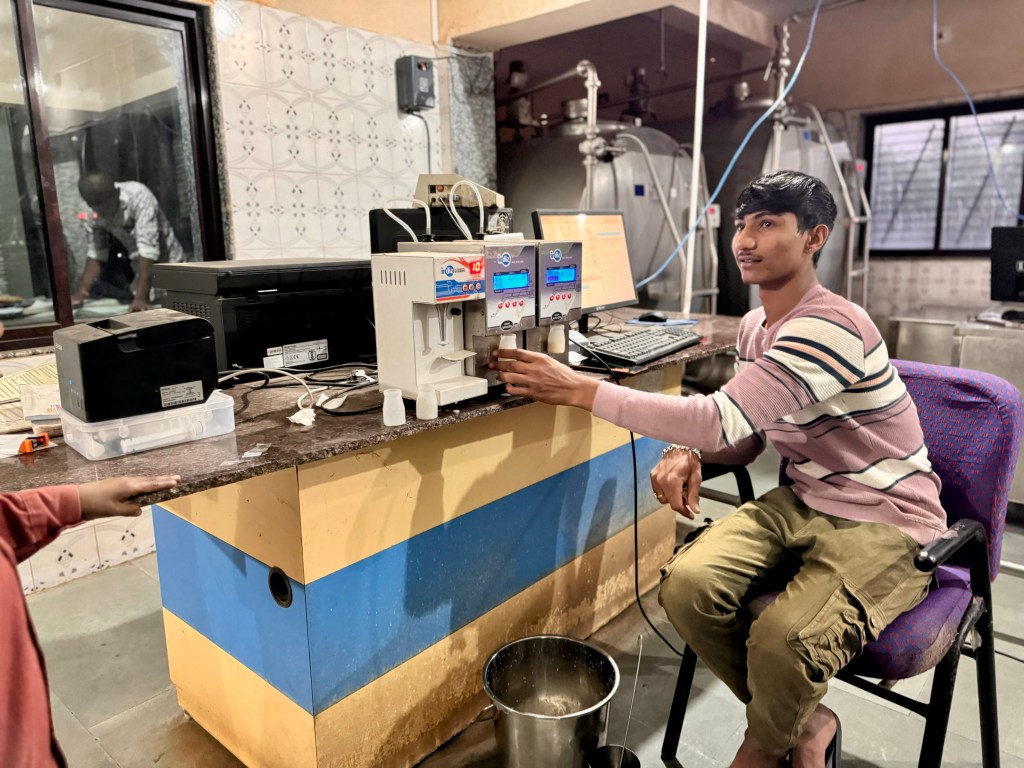
And then after visiting a dairy where the milk is first measured for fat content and then weighed with a receipt for the value of the milk issued to the people bringing the milk in metal canisters, we came back to the Ashram just in time for evening prayers.
https://share.icloud.com/photos/007ll7DIVuSORs3rMOlfaBGvw
Here the village children sitting in straight rows repeated prayers in high pitched voices which reverberated in the hall where we were sitting. I videoed the girls leading the worship, often with the children’s eyes closed and their hands folded in prayer. It seems alien to outsiders and indoctrination, but it is the way that every culture maintains and reinforces itself.

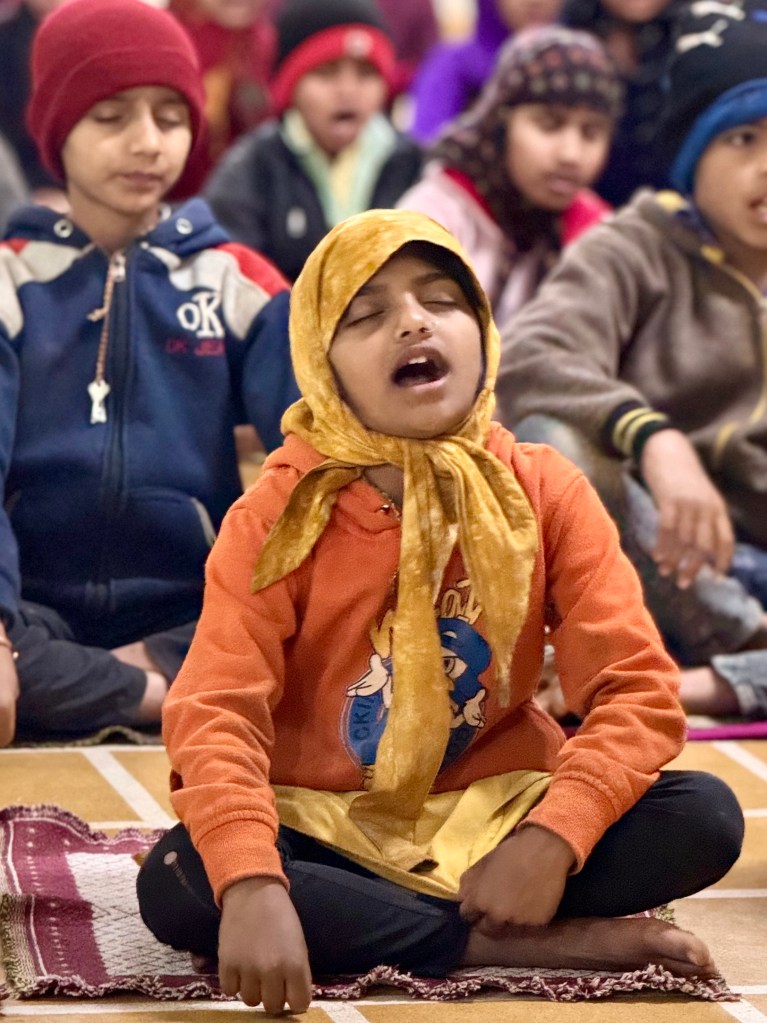
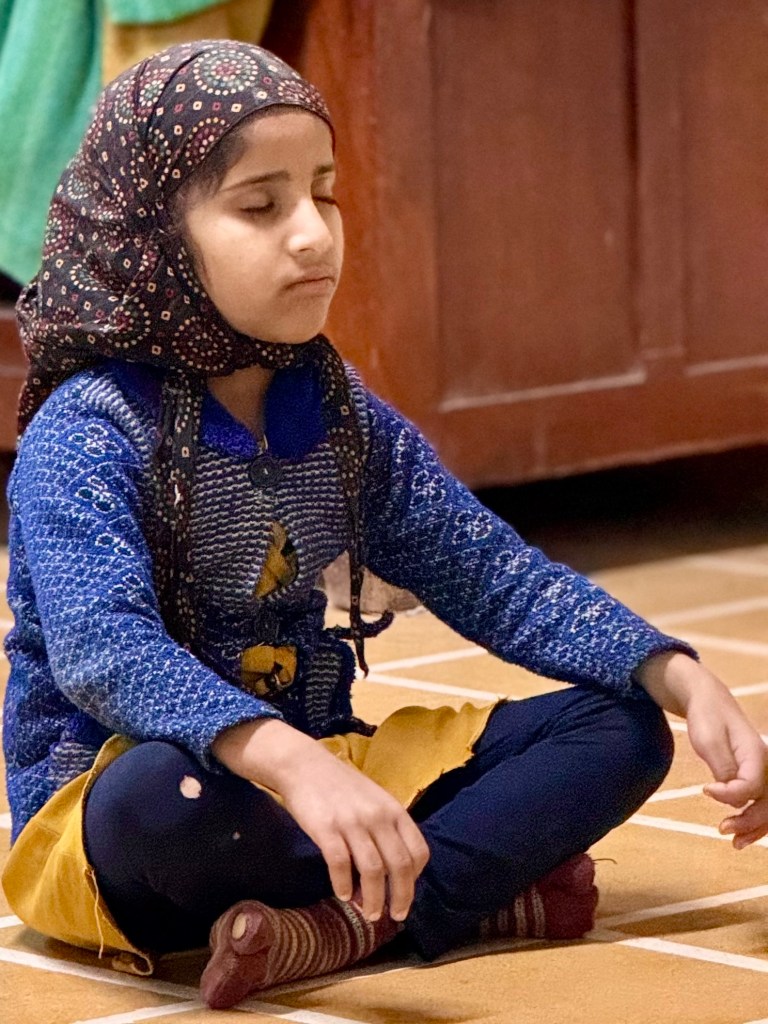

Most of these girls were also going to be married in an arranged marriage, although one of the Rabari fathers we visited insisted that his daughters get more education and not marry right away.
Like the United States, technology is rapidly changing Indian culture. In the market there are as many cell phones pressed to people’s ears as in the United States. The world is turning upside down for rural people everywhere.
But the way that people resist change by insisting that the birth place of mythological Ram, a sacred figure to most Hindus, have a Hindu temple replace a Moslem mosque has the same undertones of reasserting old values as MAGA insistence on blocking immigrants and resisting social change such as the acceptance of gay or trans people. In both places many rural people feel the need to hang on to old values which are threatened by technologically changing globalized, secular values.
But for an old man of 86 none of these perceived threats seems worth quarreling over. Baptist MAGA fundamentalist Christianity and Hindu fundamentalist nationalism seem to be simply different human ways of making sense of the world, without either one of them being absolutely, fundamentally and uniquely right with the other wrong. To get along as humans we seem, to me, to need to accept each other as we are and to enjoy each other’s presence, as we laughed with and marveled at, each other yesterday.
 BILLYBABA’S WANDERING