GALLE AND THE GALLE FORT
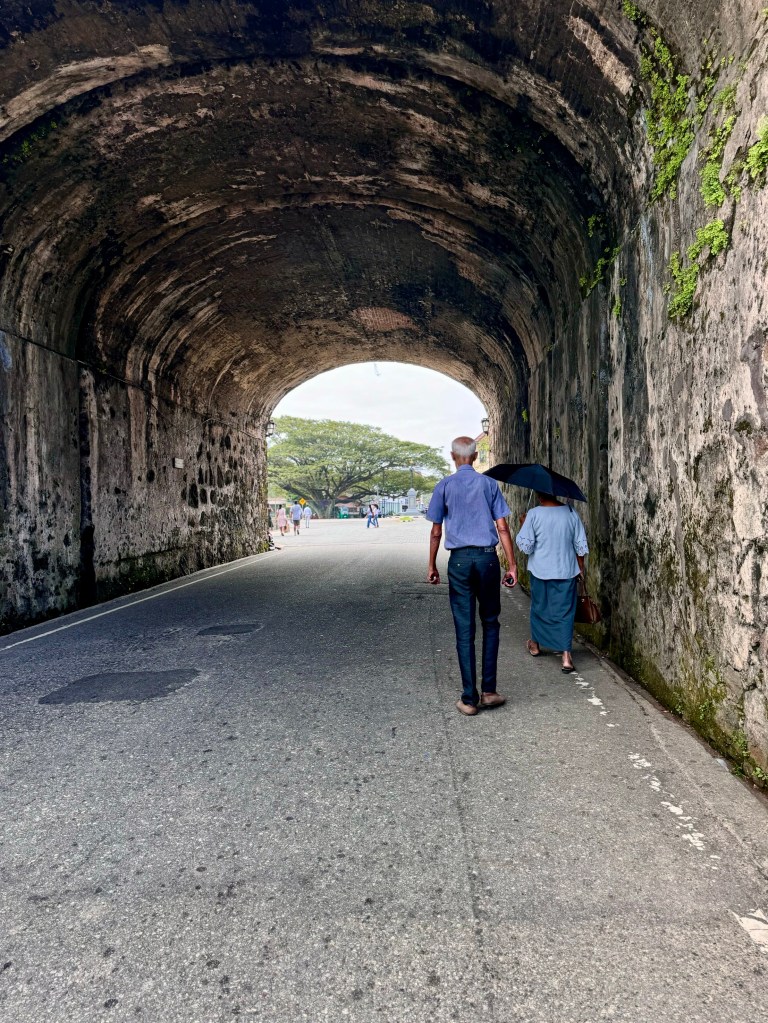
On our second day in Una Watuna Winsor and Thalatha took me on the short bus ride to Galle, the major city of southern Sri Lanka. Winsor thought that I would find the Galle Fort interesting, so we went there first. I have been to Una Watuna on the outskirts of Galle 11 times and never visited the immense fort or even wondered about it.
I don’t know Dutch or Sri Lankan history well, but these are my impressions of what I saw as understood in my own way. As soon as we walked through the tunnel into the fort area with its huge walls and immense earthen works on the harbor side I was suddenly reminded of a book, The Nutmeg’s Curse, that a friend, Phil Diehn, in my old man’s group had recommended to us. That book describes the way that the Dutch with their powerful navy, in their drive to control the spice trade in the 1600’s, built a series of harbor forts from which to launch their navy in it’s control of the Indonesian spice trade during which they determined that the only way to control the nutmeg and mace trees which at the time grew only on the Banda islands of Indonesia was to force the inhabitants of the island of Lothar off the island and, if they didn’t leave, to burn their villages and kill them. It was a god given right to genocide.
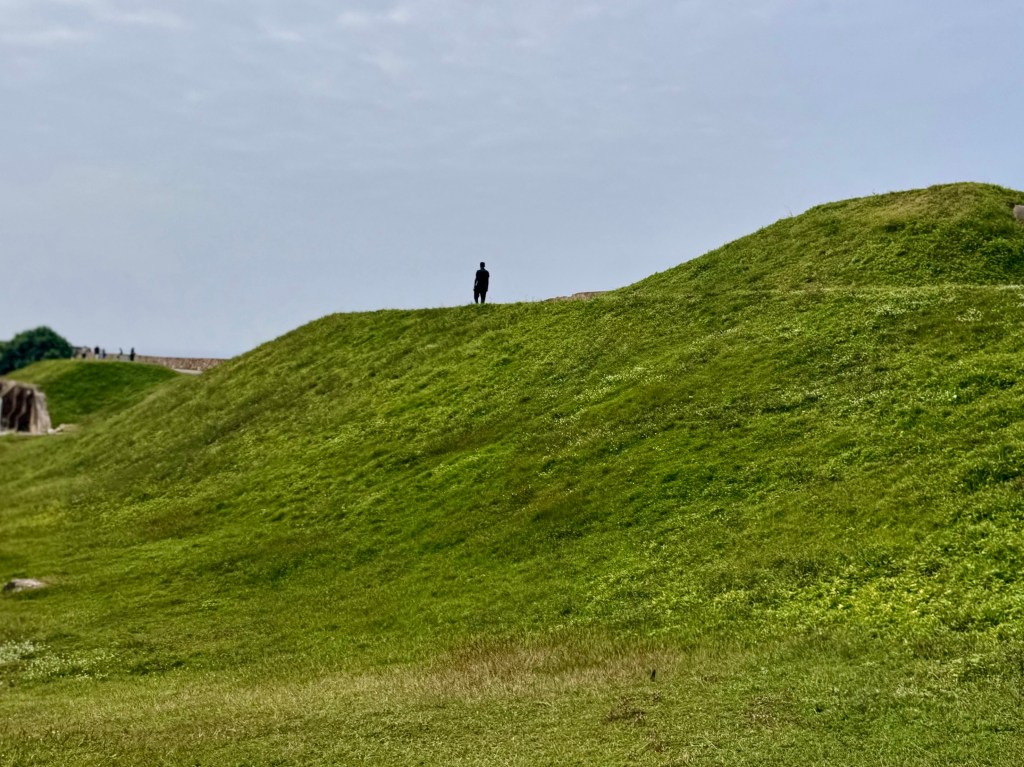
And the reason that the Galle Fort with its huge earthen walls (resembling the Dutch dikes I saw last year in Haarlem, Netherlands) was built was as a staging area for the conquest and control of the spice islands of Indonesia. The Galle Fort was directly connection to the extermination of the people of Banda and I could feel that immense power in the huge fortifications.
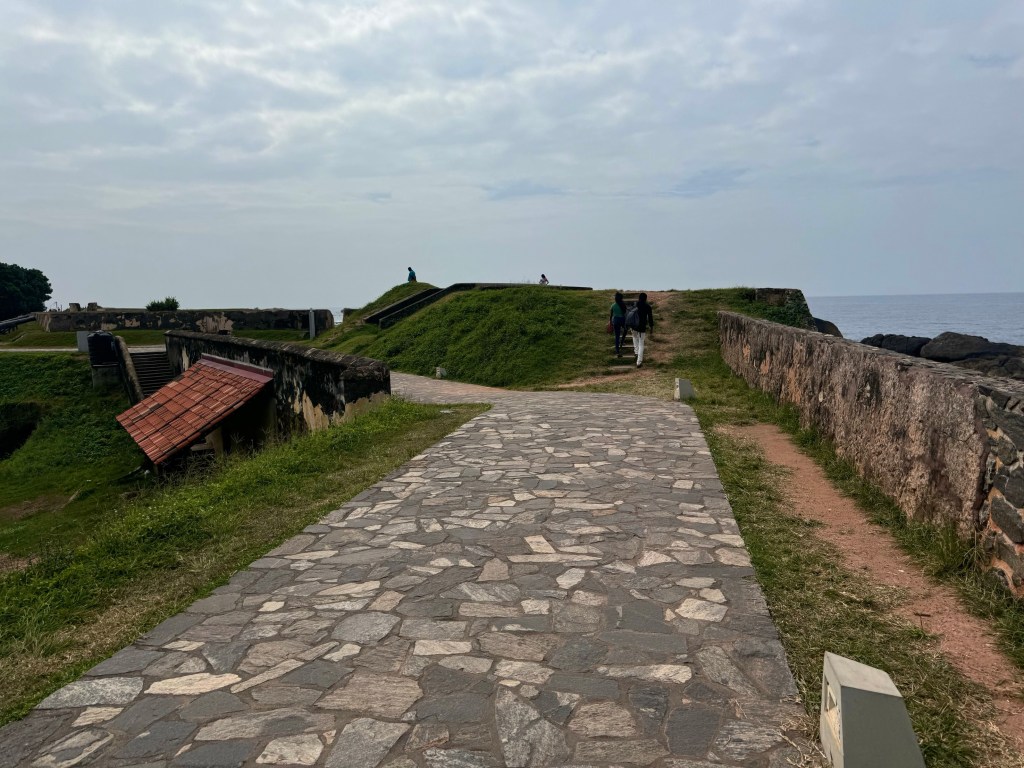
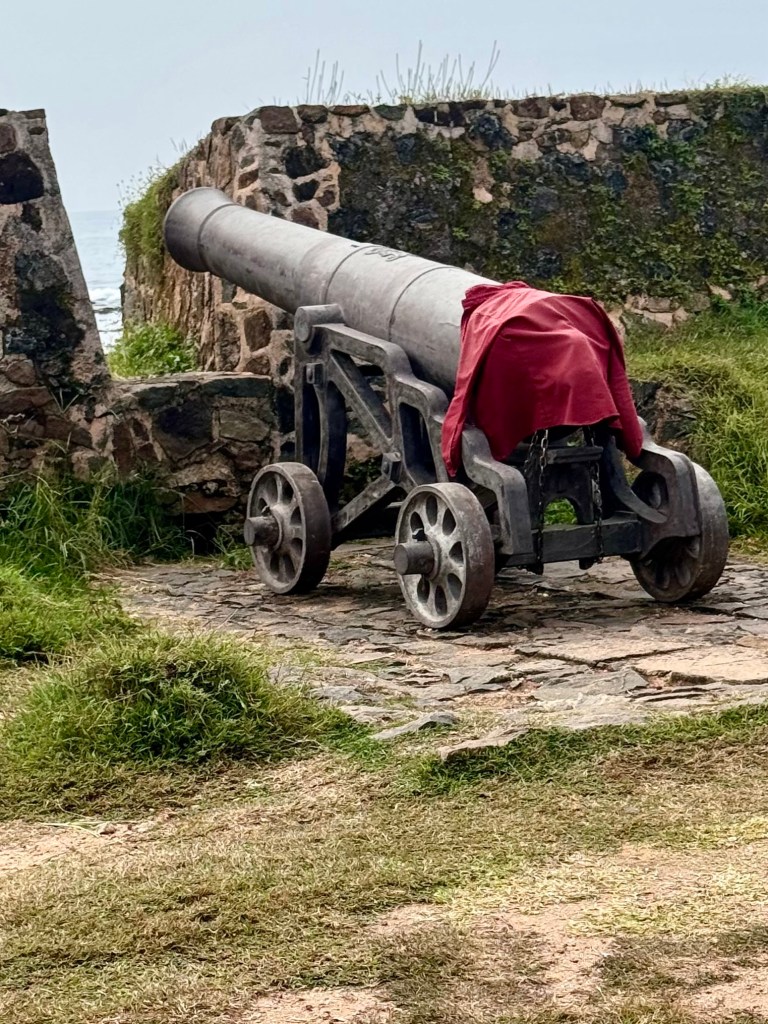
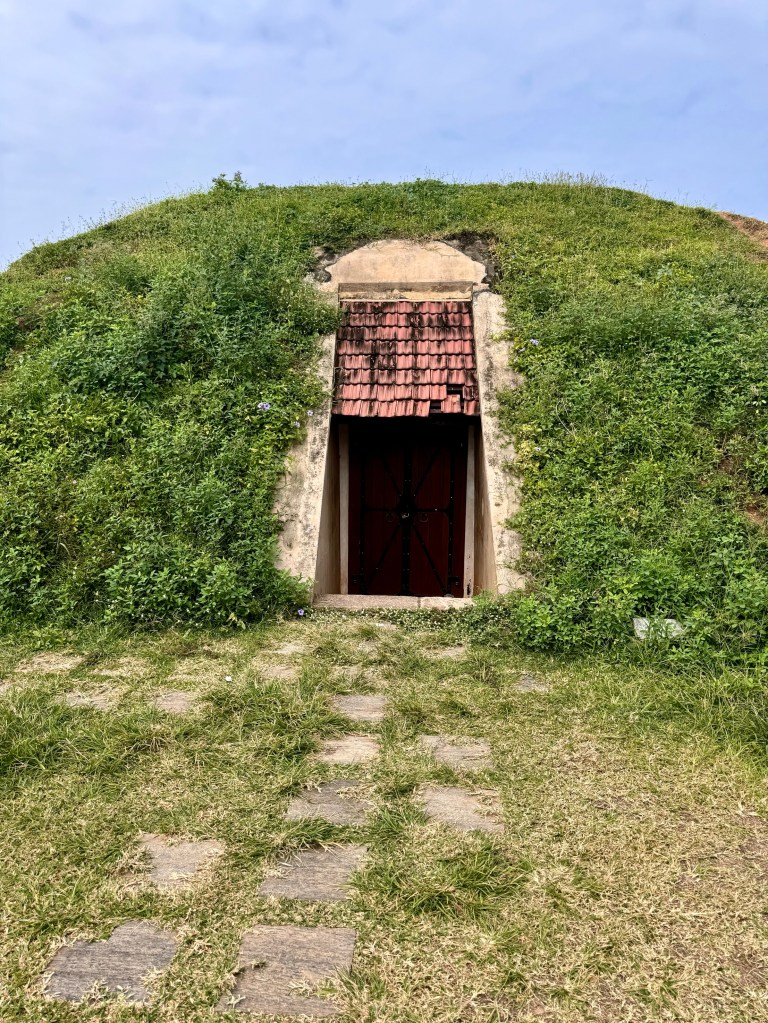
The Dutch, like the British who finally replaced them with the British Empire in India and Sri Lanka while the Dutch held on to Indonesia, arrived in Sri Lanka and Indonesia as traders, the Dutch East India Company, the British East India Company. The discovery of the Americas was a result of searching for colonial domination of the spice trade which was extremely lucrative. The people who had to be displaced or wiped out or enslaved in order to allow this world wide trade to happen were simply in the way with the Western powers having the divine right to occupy these lands.
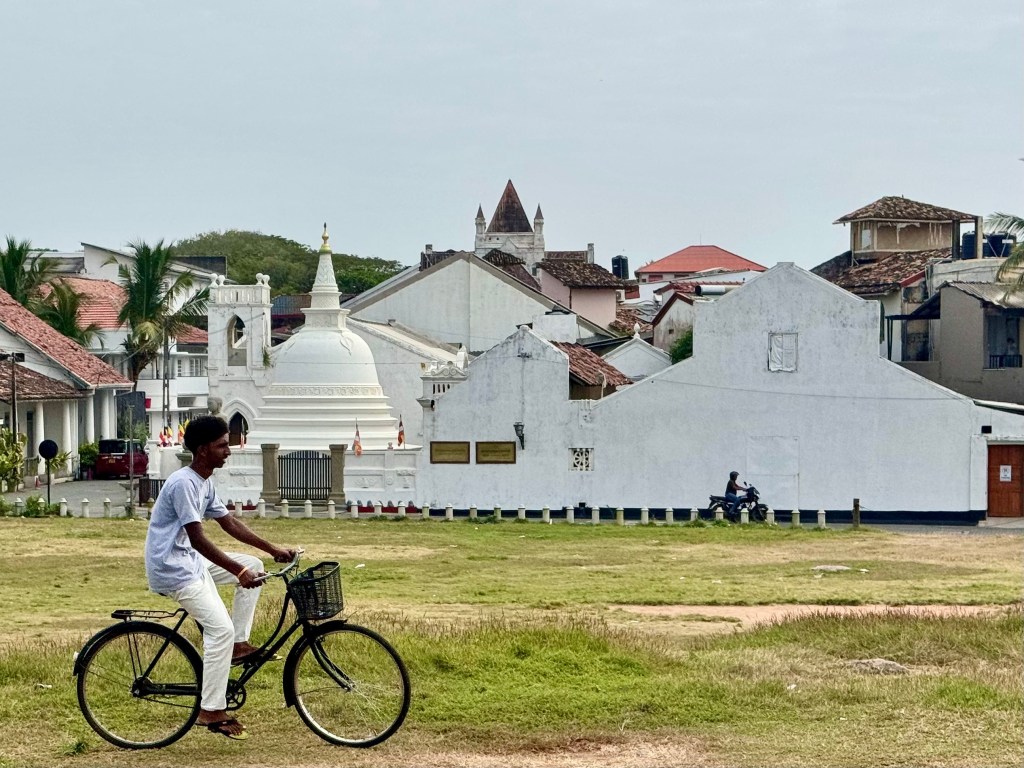
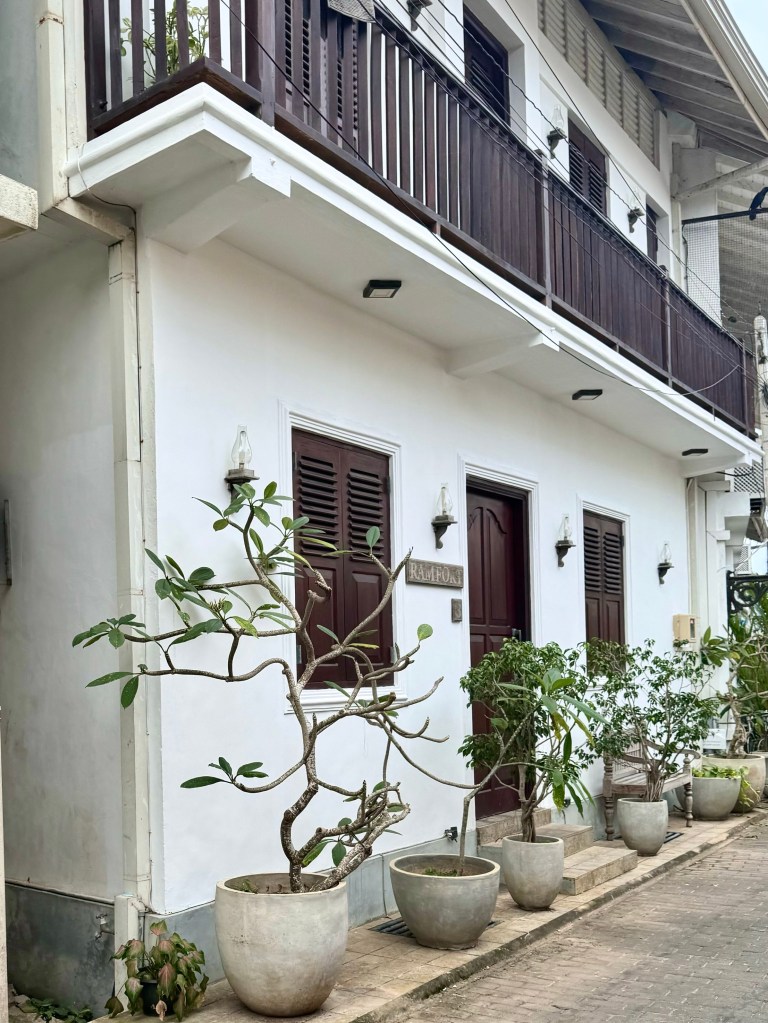
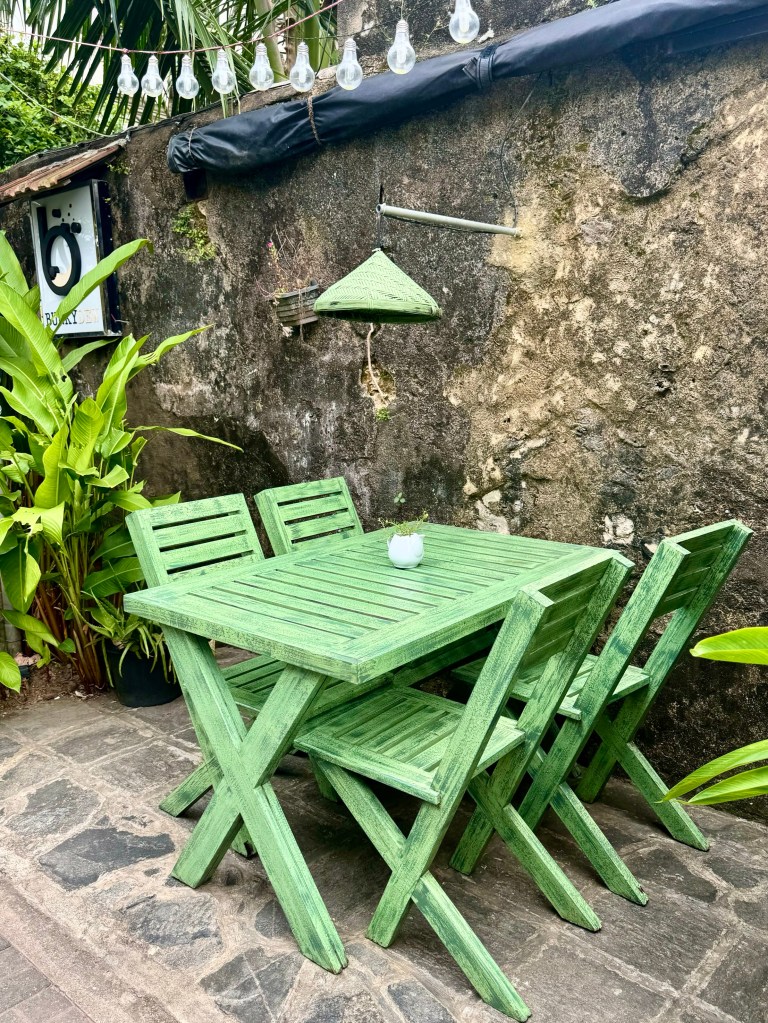
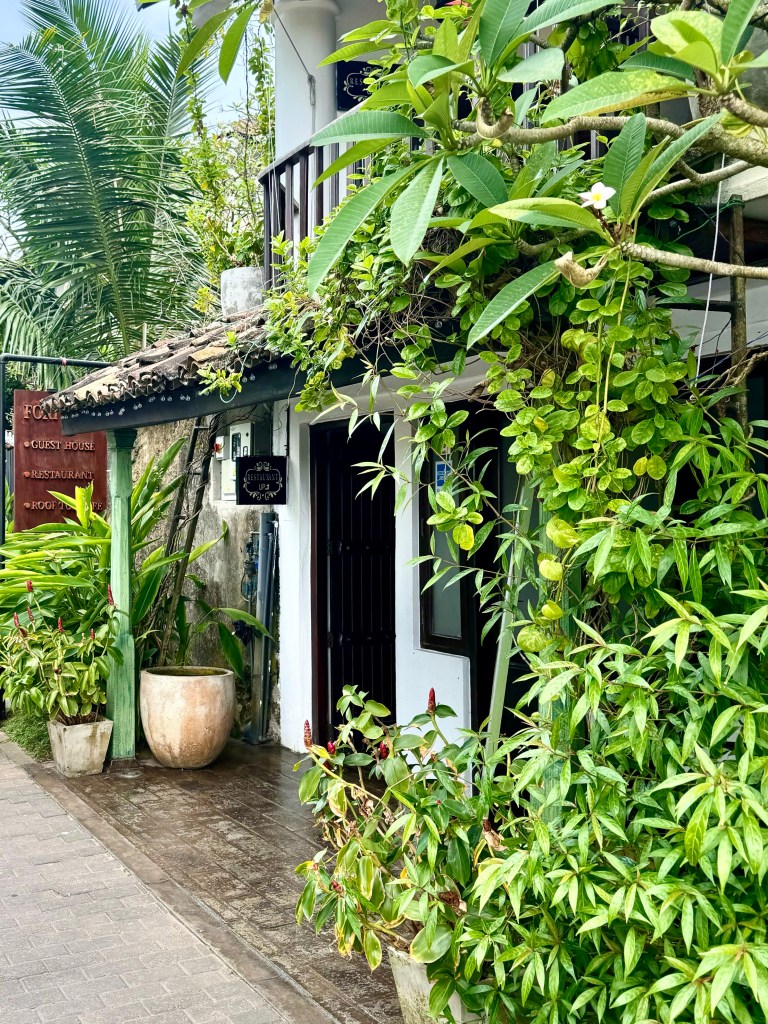
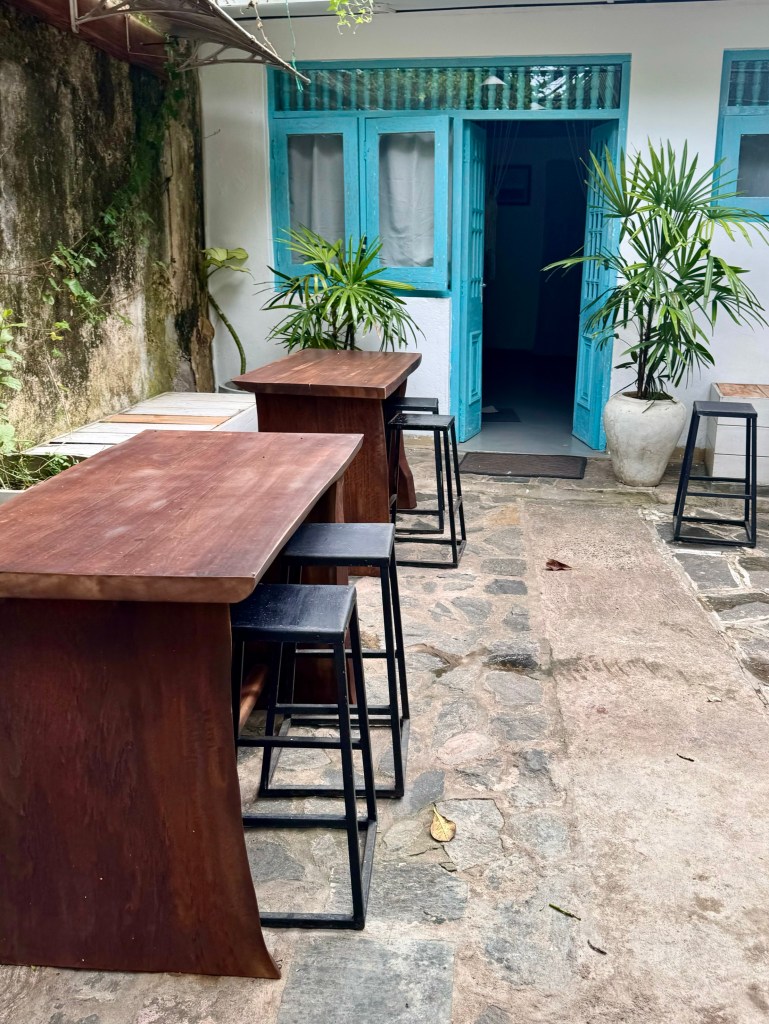
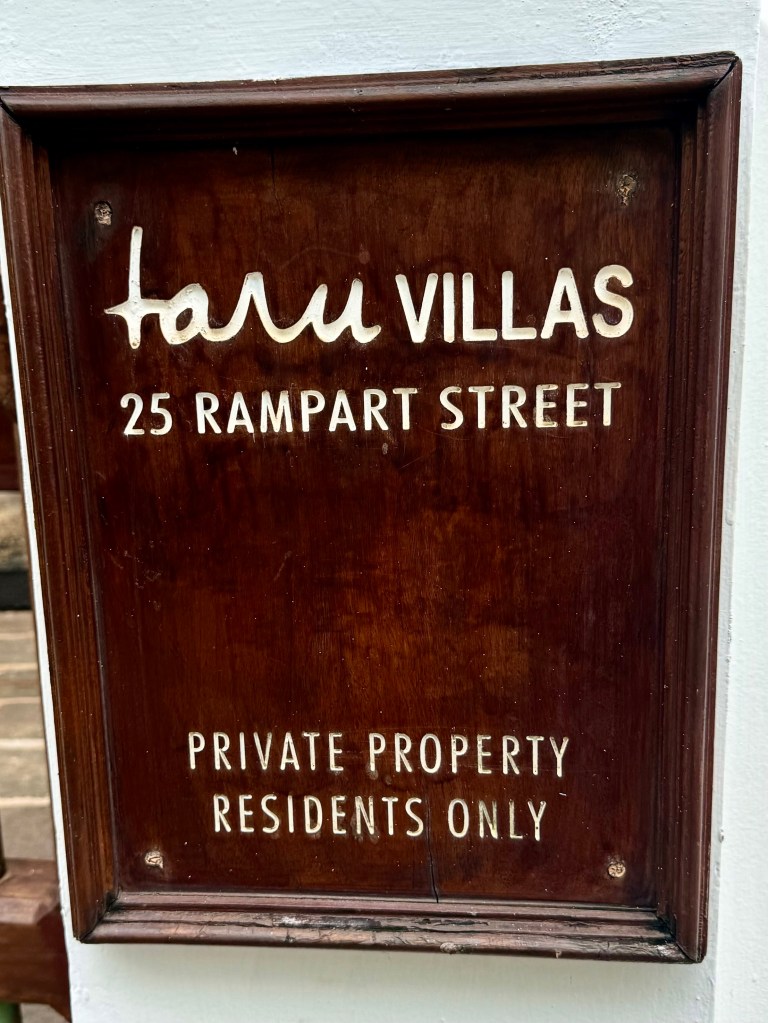
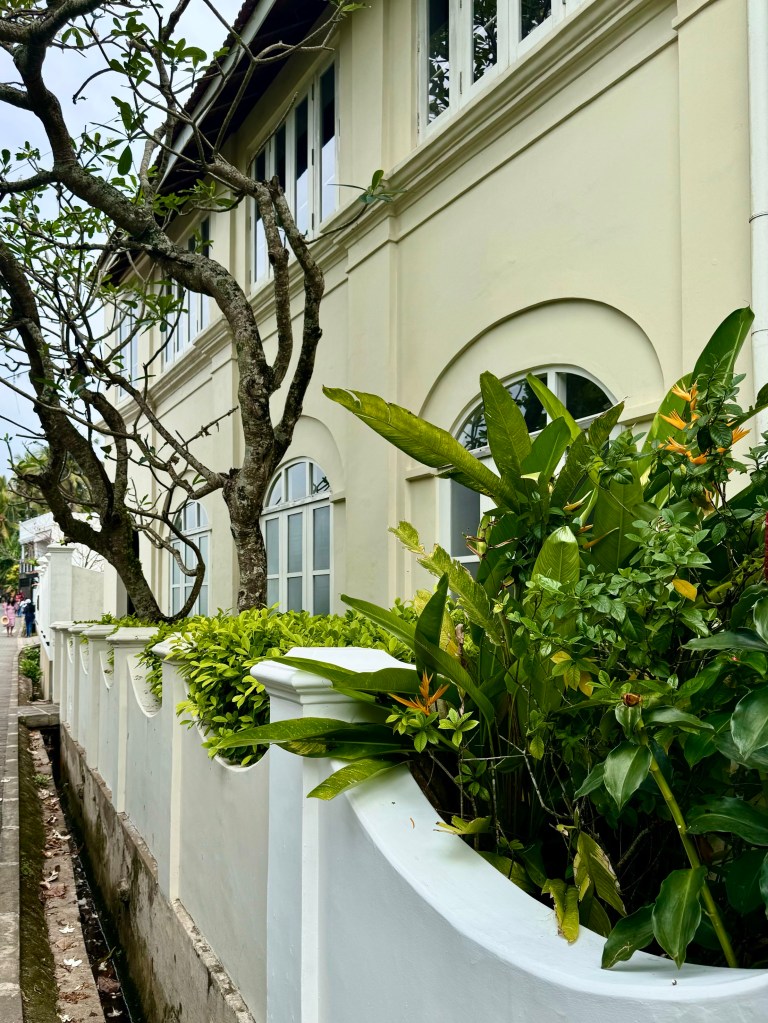
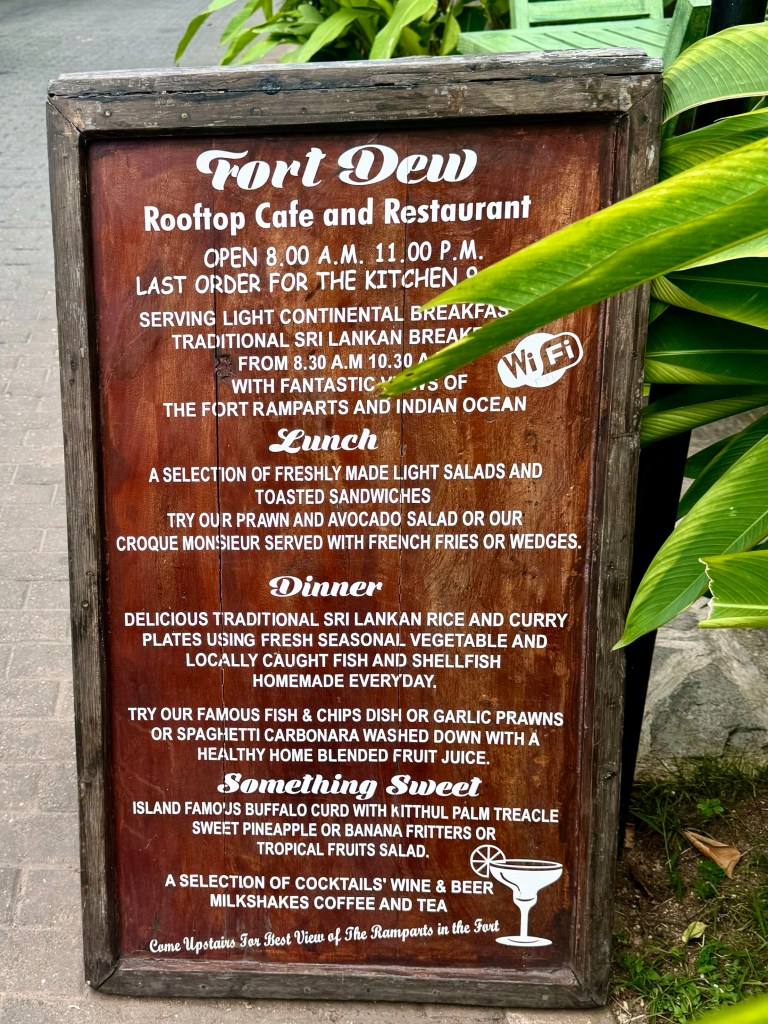
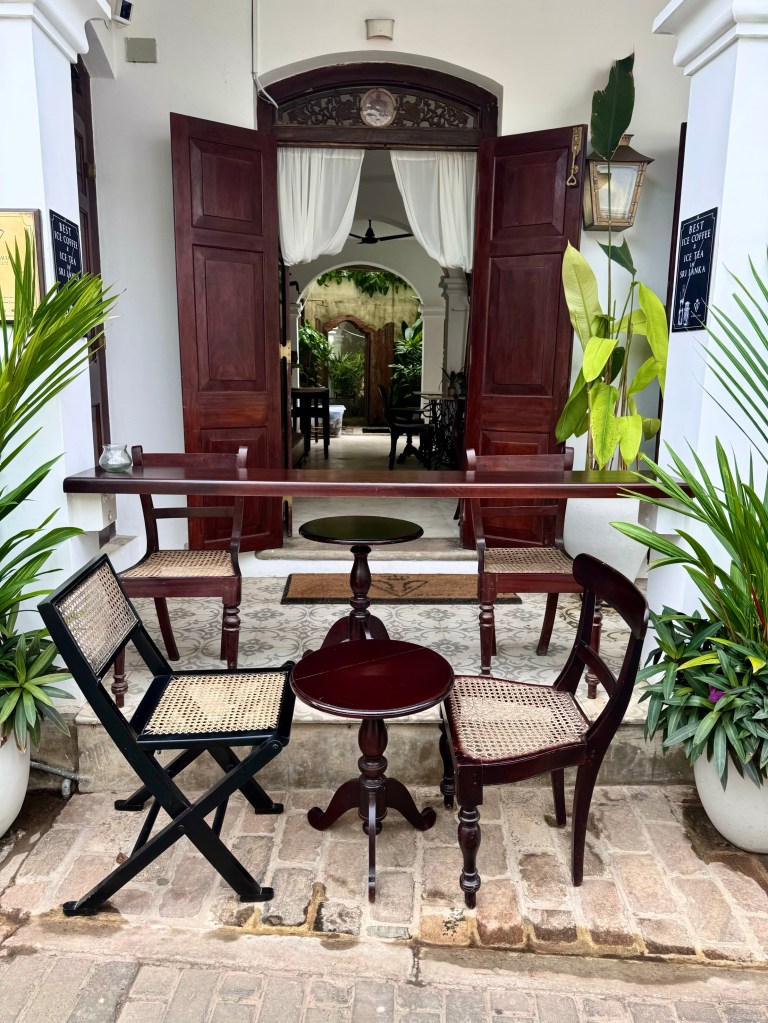
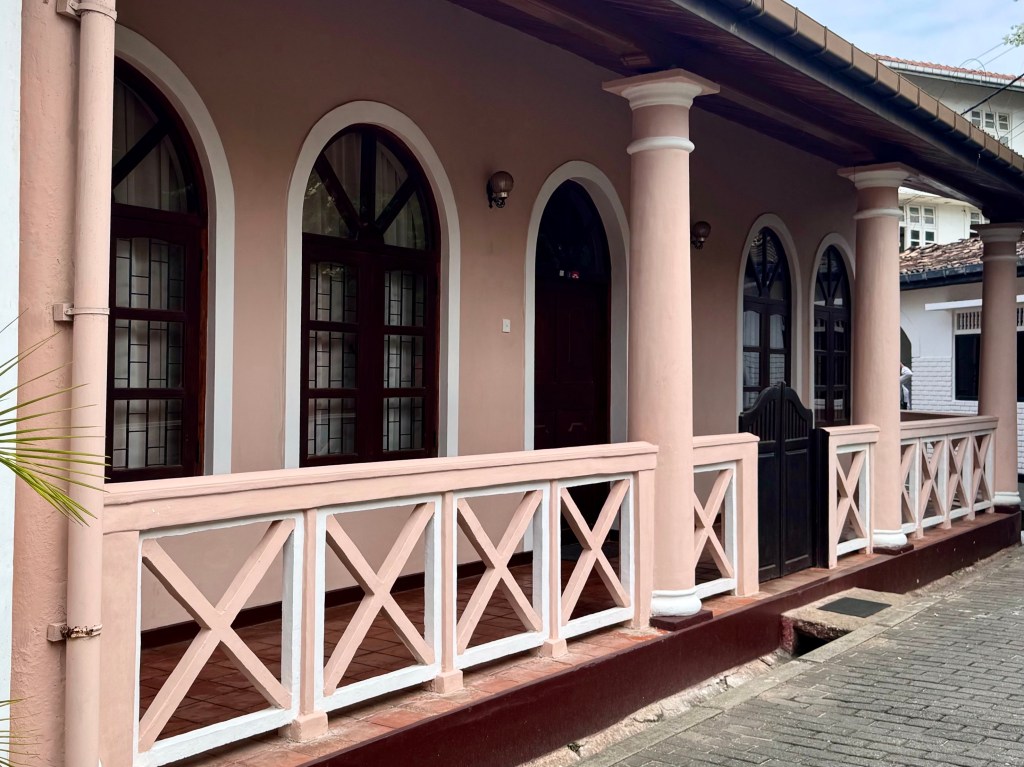
And in Haarlem I saw some of the huge houses and estates built by the merchants who became fabulously wealthy through the spice trade. The huge mansion and lovely grounds where my niece Henny walks each day, now open to the public, was built by a fabulously wealthy coffee merchant. And in the Galle Fort area there were beautiful old houses of merchants made rich by the spice trade that make this into a world heritage area. Now these beautiful white houses with dark accents are boutique shops and luxury guest houses and hotels. Now there is still the smell of western colonization with the guests almost all being white and from Northern Europe with Sri Lankans dependent on their (my) dollars and euros. Even as I delighted in this beautiful area, taking photograph after photograph, I was aware that Thalatha and Winsor weren’t that comfortable among these expensive boutique stores aimed at Europeans and wanted to get back to the modern crowded city with ordinary people living their ordinary lives where Thalatha spent a long time picking out a new dress filled with the loose wide dresses that most Sri Lankan women wear.
 BILLYBABA’S WANDERING