CHRYSLER MUSEUM OF ART

Yesterday was the most unsettled day of all the Mahy gatherings over the years. Craig, Mary’s husband, arrived from Charlottesville where he had been since he flew in from Geneva a couple of weeks ago where he has been caring for his 93 year old mother, Joyce, who has attended all of the gatherings, because she broke her hip a few weeks ago and was in rehab. Later in the evening Jim, Lisa’s husband, flew in from Bellingham where he has been dealing with the burning down of the Hested owned Terminal Building. And then last night John Boright tested positive for Covid and was told he could only get Paxlovid if he came to the hospital and then was sent home from the emergency room at 2 a.m. and told to come back in the morning. In the morning we were all unmasked, shoulder to shoulder, having a great time. In the evening we had slipped back into the old normal and were all masked up, probably too late. So those were the big events of the day.
But in the afternoon almost all of us drove into Norfolk to the Chrysler Museum. And until evening when personal issues became more important it was the Chrysler Museum that I thought about.


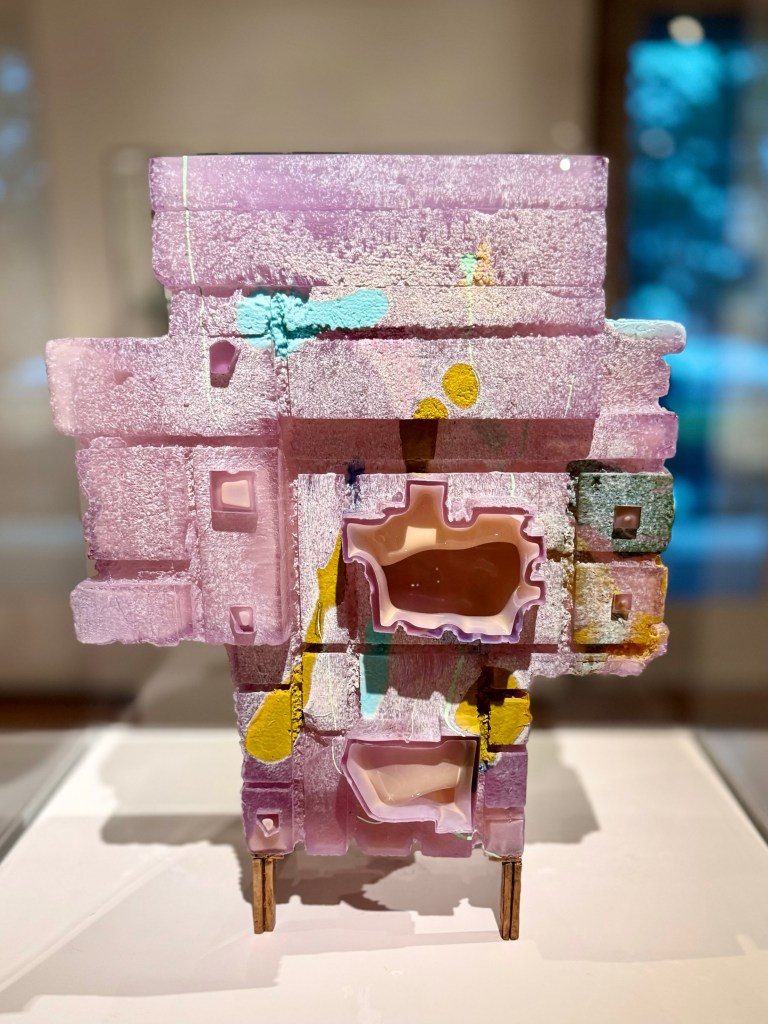
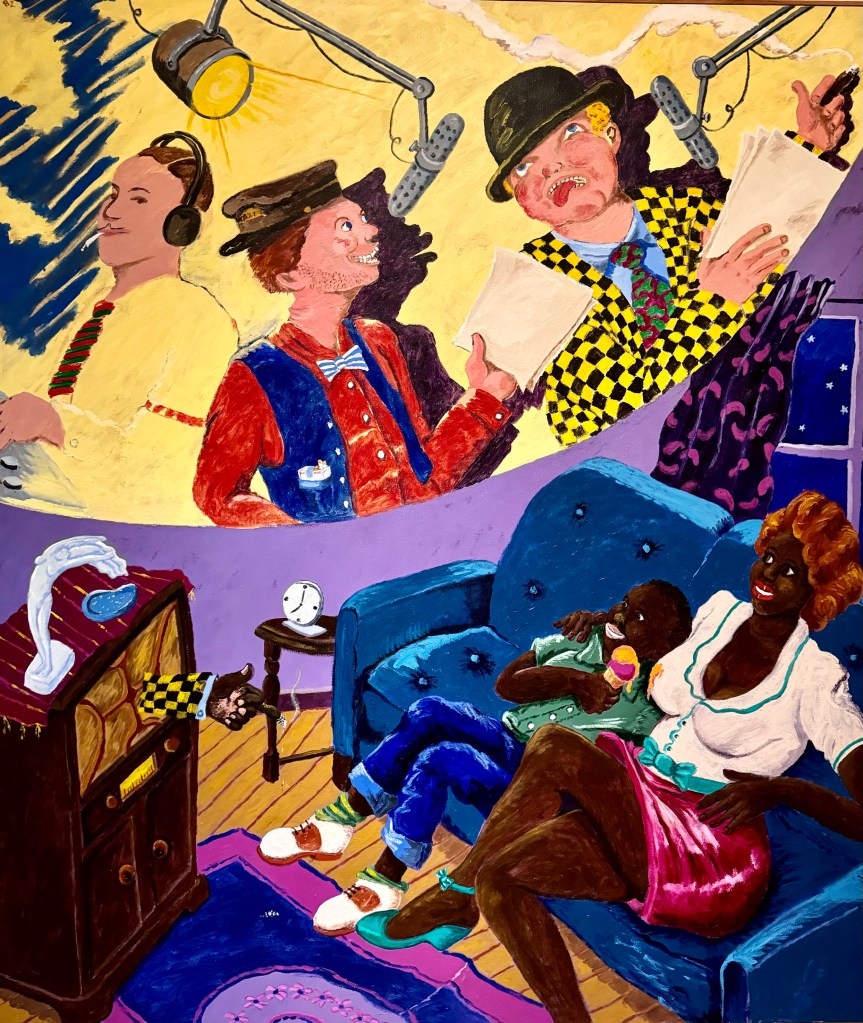
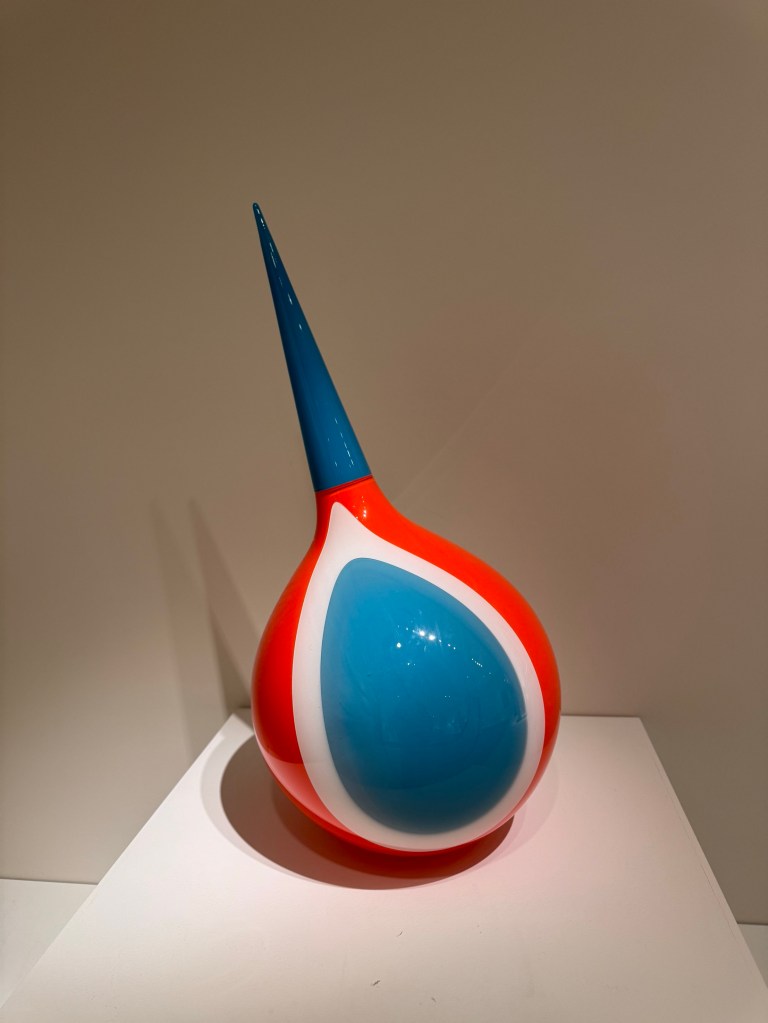
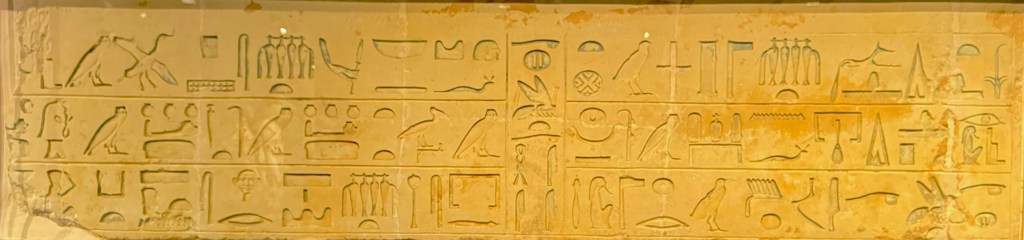
The museum, billed as “one of the most distinguished mid-sized art museums in the country” is a wonderful museum. A large part of its charm is because of its smller size. There was Paul McCartney exhibition of early Beatles photographs which seemed to be the most visited exhibit. But there were whole rooms of American paintings and modern paintings and sculptures but also a lot of ancient art and sculptures from India, other parts of Asia, the Hittites and Egyptians, and Africa as well as the Mayans and Aztecs. Each of these exhibits was small, perhaps 30 paintings or objects, just a taste, but a real taste of cultures far away and long ago. There was also an extensive glass exhibit of brilliant colored glass in all kinds of configurations. As an old man, moving quickly and photographing as much as I could, I was only able to see three quarters of the exhibits before retreating after an hour and a half to the museum coffee shop, exhaustion the colors my following attitude to museums.
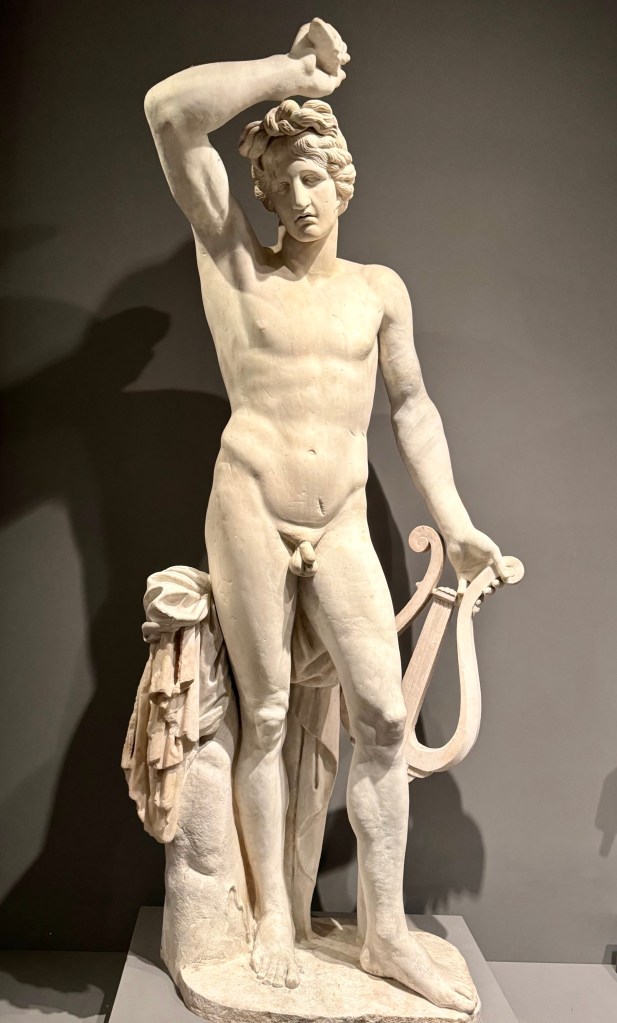

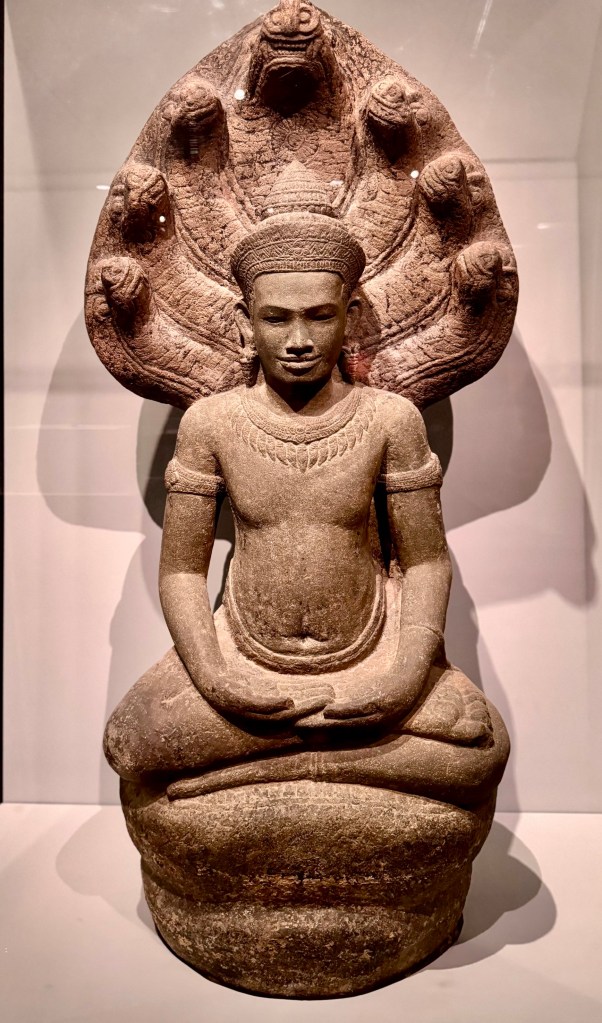

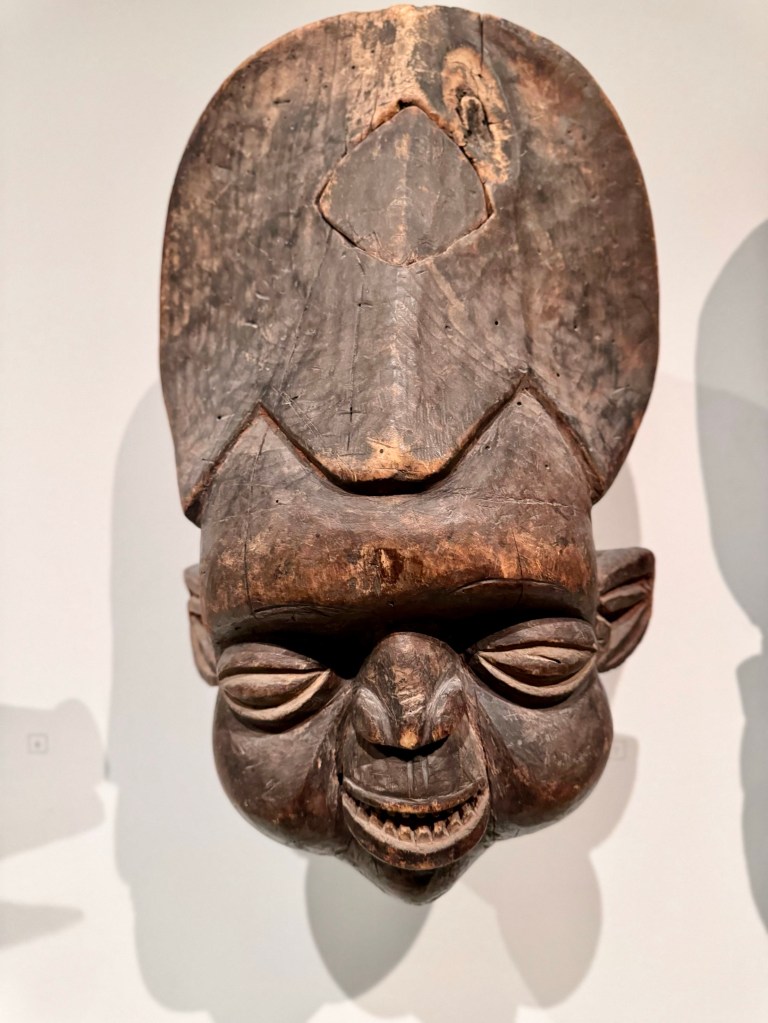


Earlier in the day I had talked with John Boright about an article I’d read about 3D scanning and reproduction of famous paintings with every brush stroke or crack and color faithfully reproduced so that it is almost impossible to tell the $80 million painting from the $4000 reproduction. I argued that I enjoy paintings photographed by my iPhone while sipping coffee at home as much as I enjoyed trudging around a museum and looking at paintings for 15 seconds at a time. I said that I would photograph the museum for him since he was already under the weather (covid) and bring them back to him.
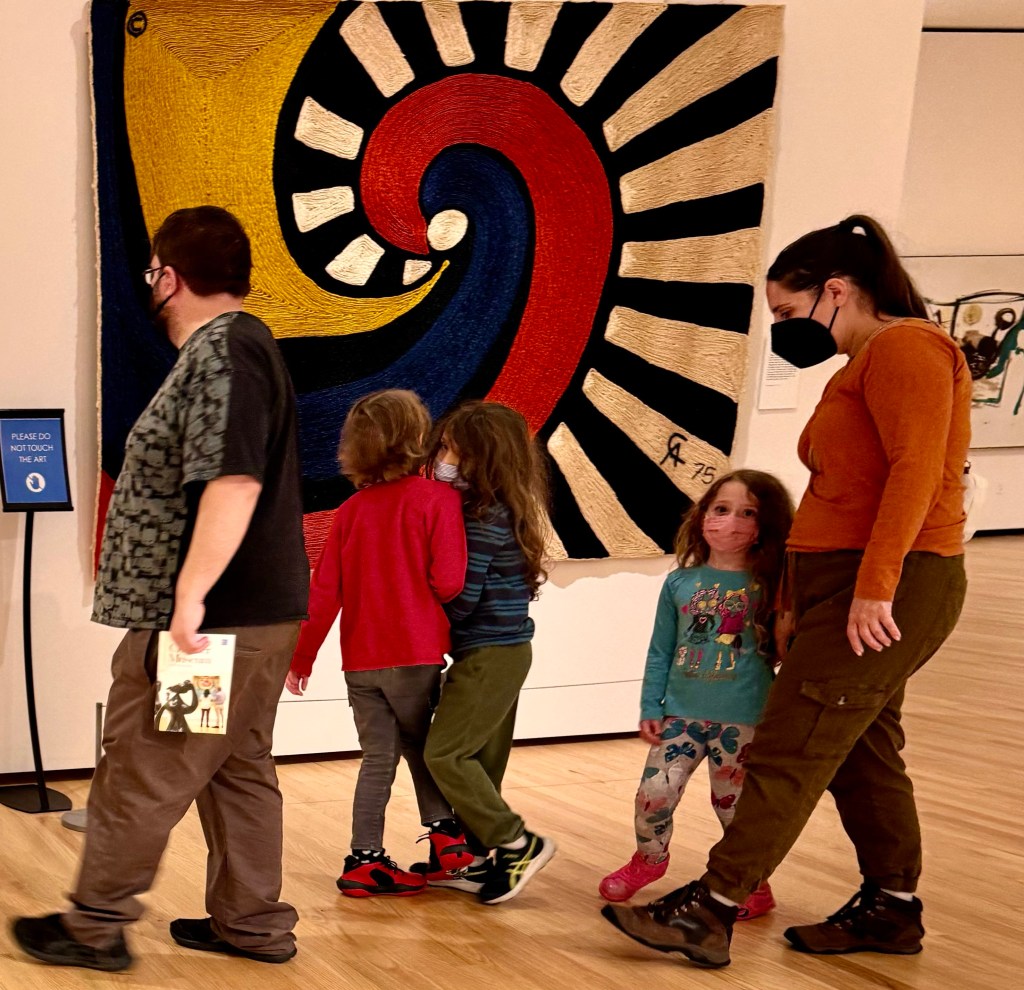
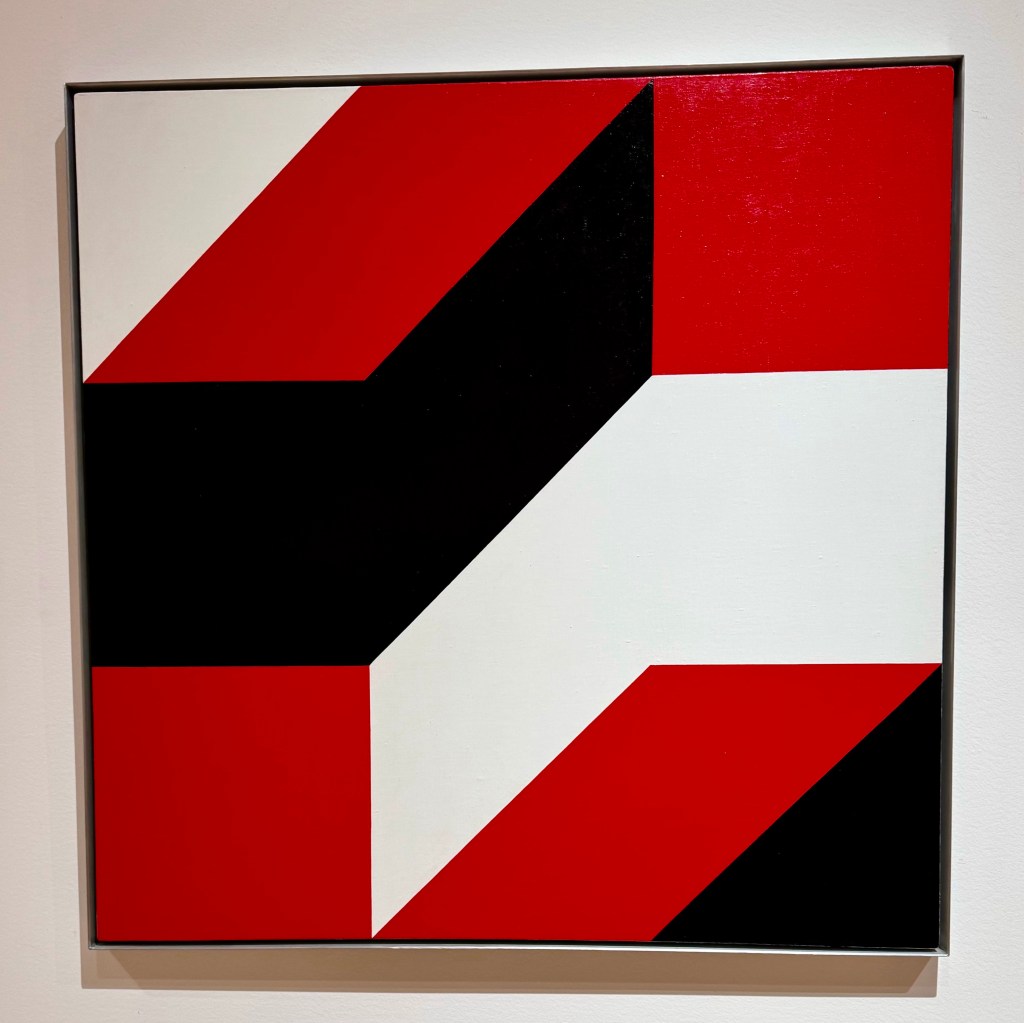


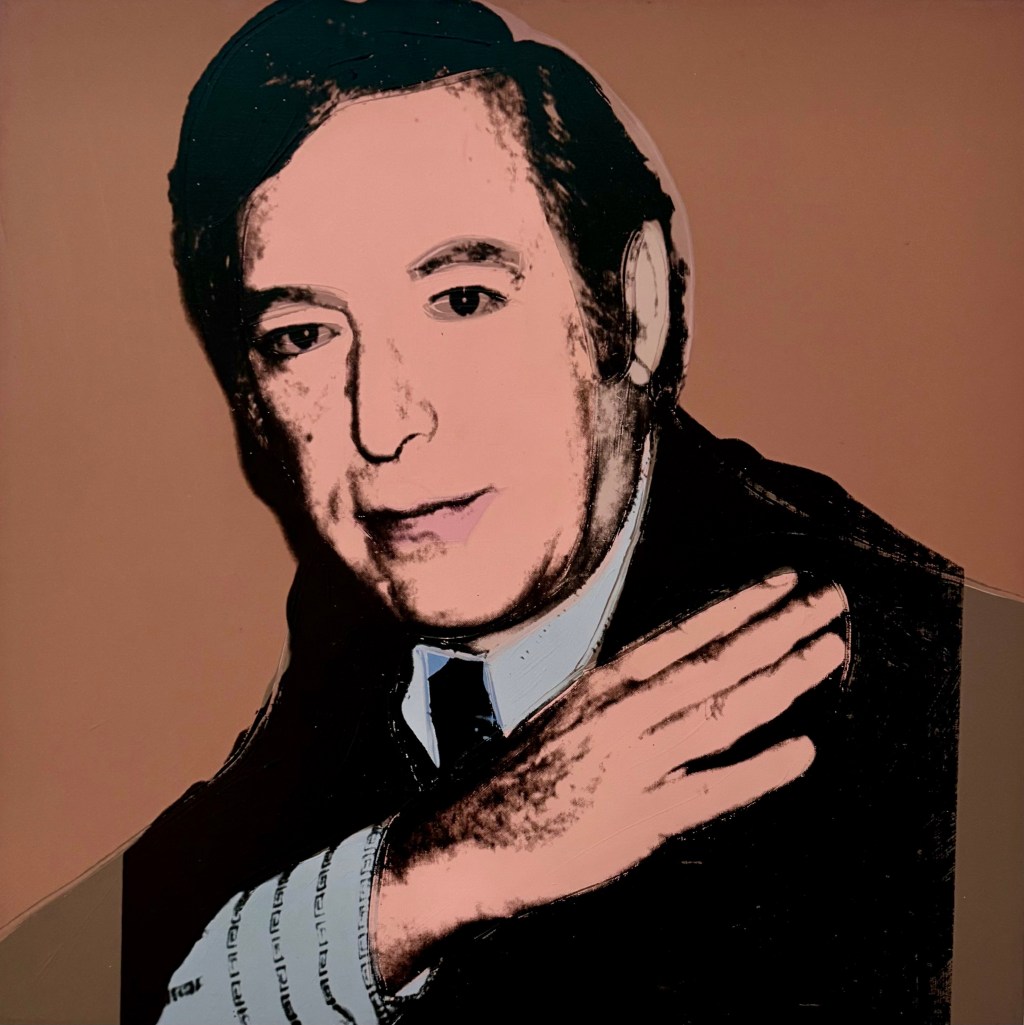
The museum raised a number of issues for me including the issue of the relative effect of the originals and reproductions.
1. Wealth. Much of the world’s art is produced either for wealthy powerful people or wealthy powerful religious institutions. Often it is the wealthy who collect art and display it in their homes. That was certainly the case here. Walter Chrysler, Jr. inherited enormous wealth from his father. He married a beautiful woman, Jean Outland, who had grown up in Norfolk and who loved art. Together they built a large eclectic collection of art which they alone, presumably, looked at. But, in my mind, as they aged they had to decide what to do with their art and gave it to the Norfolk Museum which then became the Chrysler Museum.
In this way very rich people who love art and collect it for themselves finally are almost obligated to share it with the rest of us ordinary people who can’t afford expensive paintings. But even then museums, like the Asheville Art Museum, charge $15 to see their modest collection, excluding many people who can’t afford the admission.
The Chrysler Museum hosts a large number of high school groups with specially trained docents and so thousands of Norfolk young people a year are introduced to the art of the world. Suddenly this partially justified for me the importing of art pieces, often a direct result of colonialism, from poorer countries with great art, often poorly maintained, to rich countries that protect and preserve the art. Some of these children who cannot travel have their eyes opened up to the rest of the world and times past.
2. Commercialization of Art. Connected with this is the valuation of art itself as collectors compete with each other for art from the past which is limited in amount. Some peole invest in art, not because they like they paintings, but because paintings are likely to go up in value. Somehow this seems to contradict and to prevent the pleasure that ordinary people can get art.
3. Reproduction of Art. In my lifetime the reproduction of art and music and plays have advanced enormously. When I was a boy Skira art books introduced me to the art of the world and world photography. But those reproductions were fuzzy and the quality of art books has improved to the point where you feel you are directly seeing the original. The reproduction of music has gone from scratchy 78 rpm disks to Internet streaming of concerts from around the world in great fidelity. Movies and television in my lifetime have brought dramatic stories to everyone.
And this brings me back to those 3D reproductions of paintings that are indistinguishable from the original that John and I talked about. For some reason reproduction doesn’t bother people about music. Few people refuse to listen to hi fidelity streaming music because it isn’t how the music would sound if they are in the concert hall. Actually, in streaming concerts you see the musicians much better, often focusing on one orchestra member at a time. (The same, of course, is true of football.).
But for some reason a reproduction of a painting, or even a sculpture, which will be reproduced next, an exact replica of Michelangelo’s David sitting in Swannanoa, seems not to have the same impact as seeing the original even when we can’t tell the difference. It seems to me that the effect of the art work should be the same in each case.
If we would accept the reproduction as having the same effect as the original we could then send the original art works, often imported under shady conditions, back to a museum in their home countries. The Elgin Marbles would go back to the Parthenon. And better yet there could then be museums scattered around the world with the world’s great art.
So instead of having to go to Paris to trudge through the miles of the Louvre in a hoard of other tourist, soon so exhausted that we see only a minor part of the museum and each painting only for 15 seconds, we could see the same art works in the Asheville Museum with the cost of admission much lower because each medieval masterpiece would cost only $4000.
No one I’ve suggested this to thinks it is good idea. Only the original can satisfy them although they will probably never see it. But I think it is a great idea.
And then, and course you guess my direction, when the Apple Vision Pro headset with its excellent fidelity comes along next month, I could see David in my living room as if I were in Florence, or wherever it is. I’ve never seen it.
All of the world’s art could be digitally reproduced with complete accuracy. I can already listen to all the world’s music on Apple Music. One of these days I’ll be able to see all of the world’s art that I care to see on Apple Art, even revolving each sculpture as I examine it or zeroing in on a particular area. At that point museums will be there if I have the energy and need to see the actual original, rather than the original precisely reproduced. The Lascaux caves have been reproduced full size, no one complains, but you have to go there to see them. But very shortly I will be able to sit in my living room with my Vision Pro goggles on and walk through the Lascaux caves after breakfast.
Anyway, for what its worth and I’m not asking for tips, that is what I was thinking about before, during and after the museum visit before personal family troubles intervened.
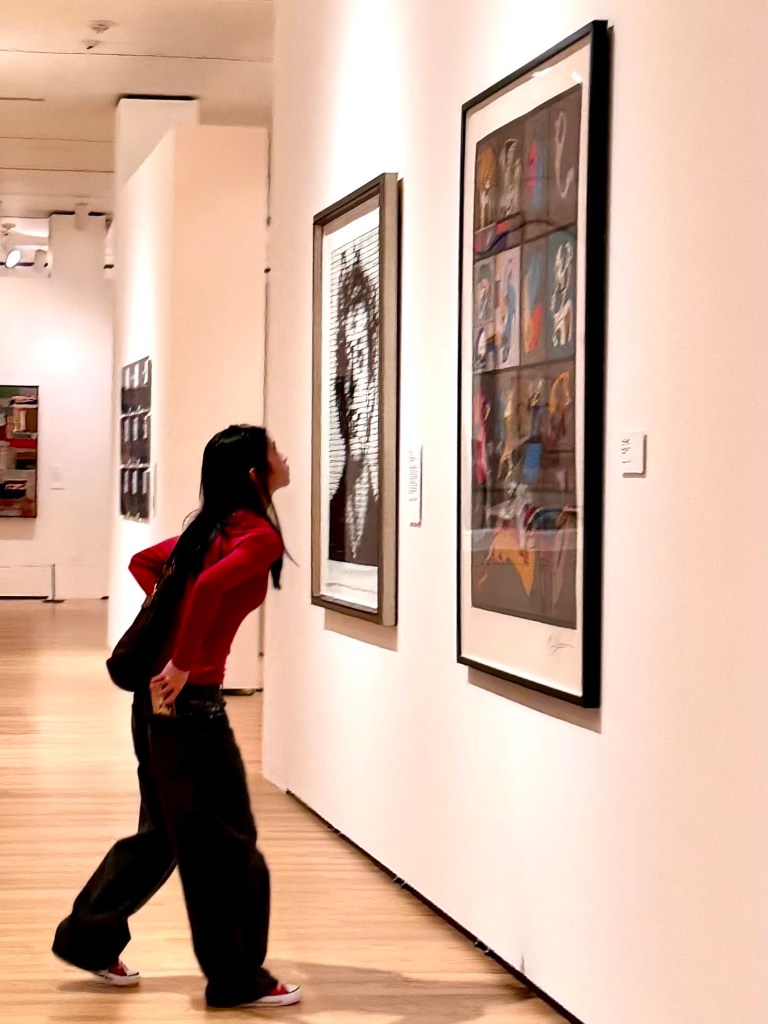
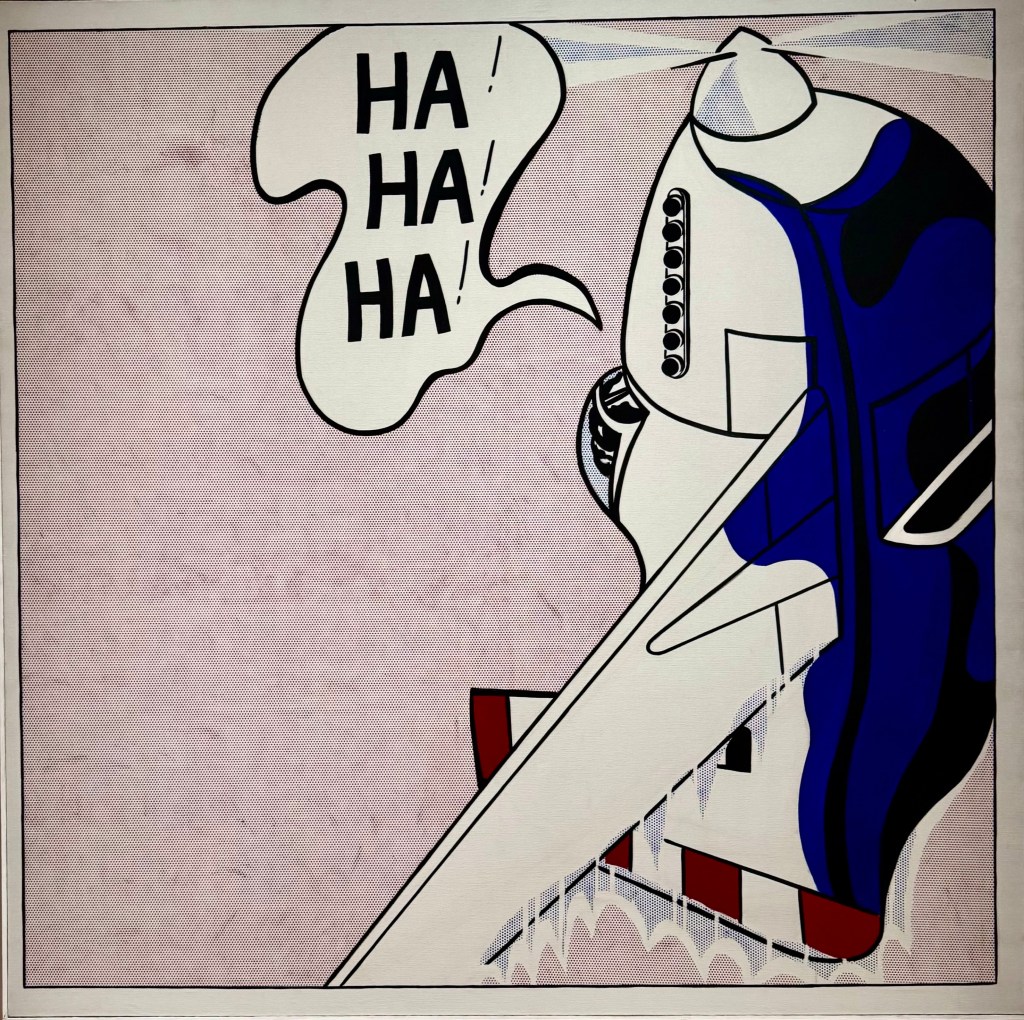
And just to prove my point, or disprove it, I am including a number of iPhone photographs of the Chrysler Museum.


 BILLYBABA’S WANDERING