BACK BAY NATIONAL WILDLIFE REFUGE
Yesterday the Boright family arrived. They have been friends with the Mahy family since both families lived in Vienna, Austria 45 years ago. John Boright, the father, is a scientist with the National Academy of Science who has worked all his life, here and abroad, for several national government agencies who travels all over the world connecting scientists in different countries. And wherever he goes, between meetings, he goes bird watching.
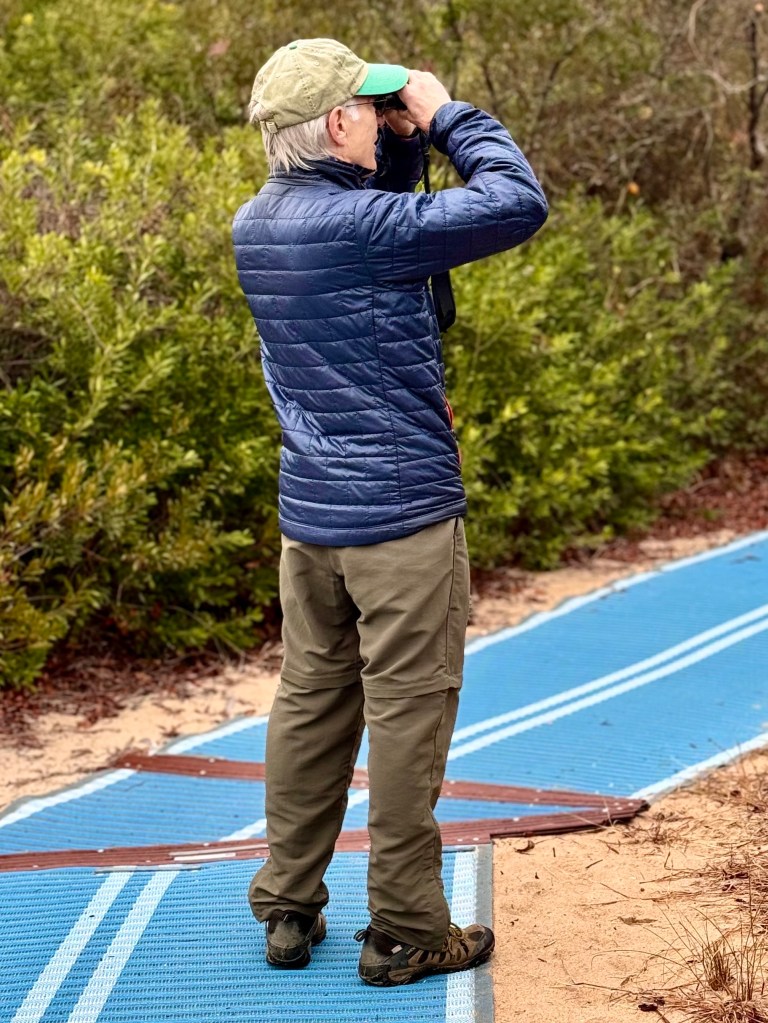

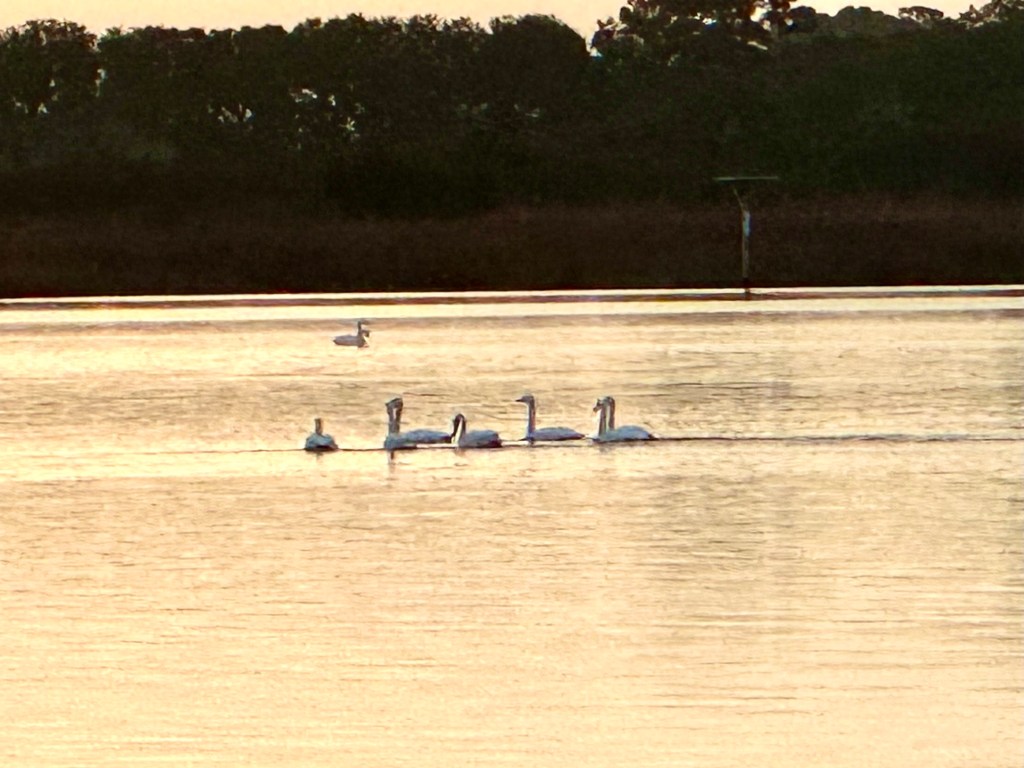
So today he led about five of us on a birdwatching walk in the nearby Back Bay National Wildlife Refuge. We saw a few swans at a distance, but the walk, itself, though swampland between the Atlantic Ocean on one side the the inland waterway on the other was beautiful.


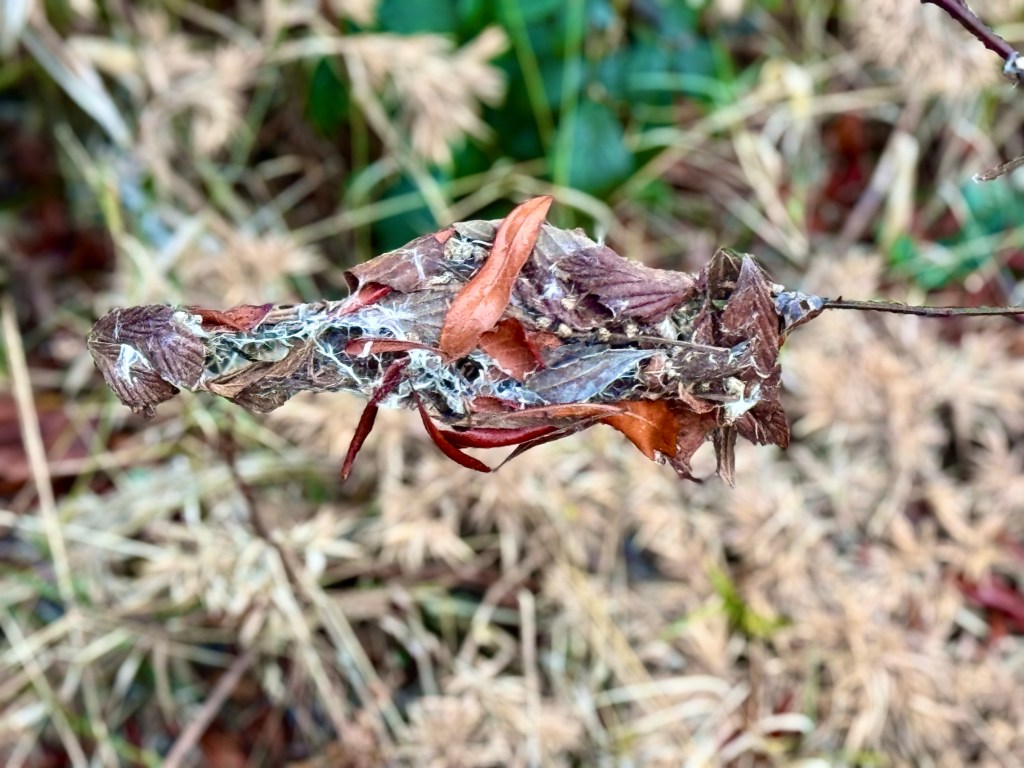


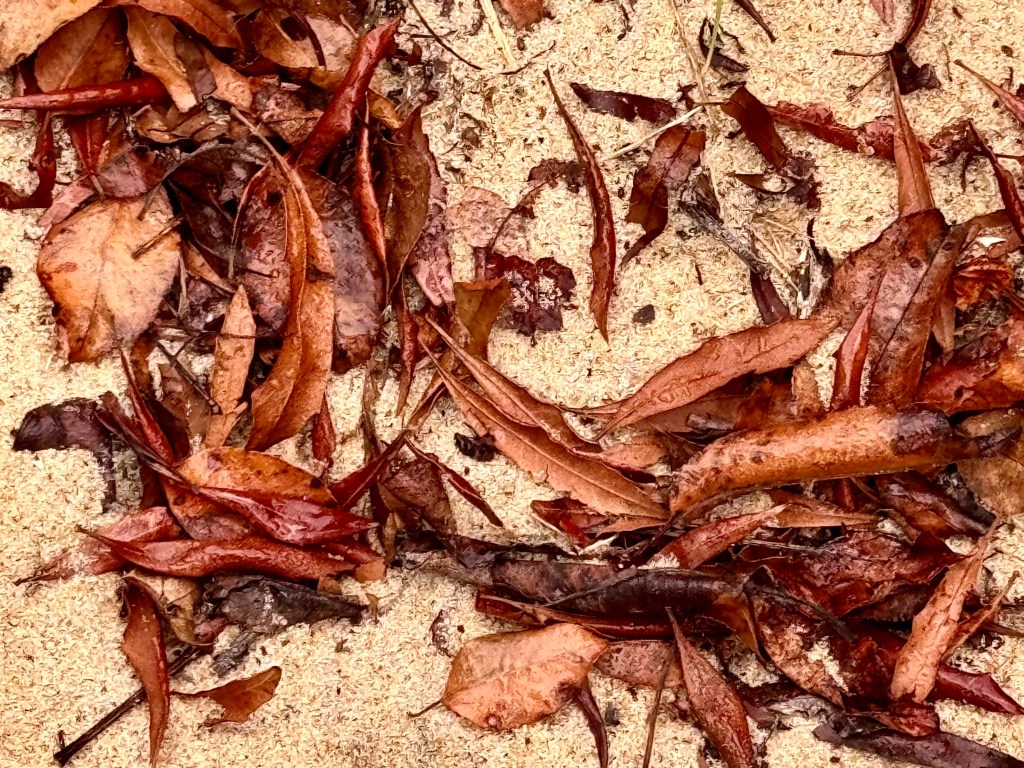

The walkway over the swamp and down to the ocean was well constructed and the whole wildlife refuge was well maintained and in good taste. It suddenly occurred to me that whenever the Interior Department oversees a national park or a national forest or a refuge like this one are kept in good taste. One of the USA’s most visited locations, drawing tourists from all over the world, are these preserved natural areas. Near Asheville is the Smoky Mountain National Park, the most visited national park in the USA, beautifully maintained. But on one side of the park, at the main cross park entrance, is Cherokee, which is mostly a garish tourist town with fake teepees and taffy stands. At the other side of the part is Gatlinburg, Tennessee, which is the same kind of tourist trap with a Ripley’s Believe it or Not and endless souvenir shops. It is the same spirit of free enterprise, unfettered capitalism, in both of these places which is also seen in the strip malls that I complained about a couple of days ago. I guess this is what I’ve been whining about all week, commercialism wiping out good taste and beauty.
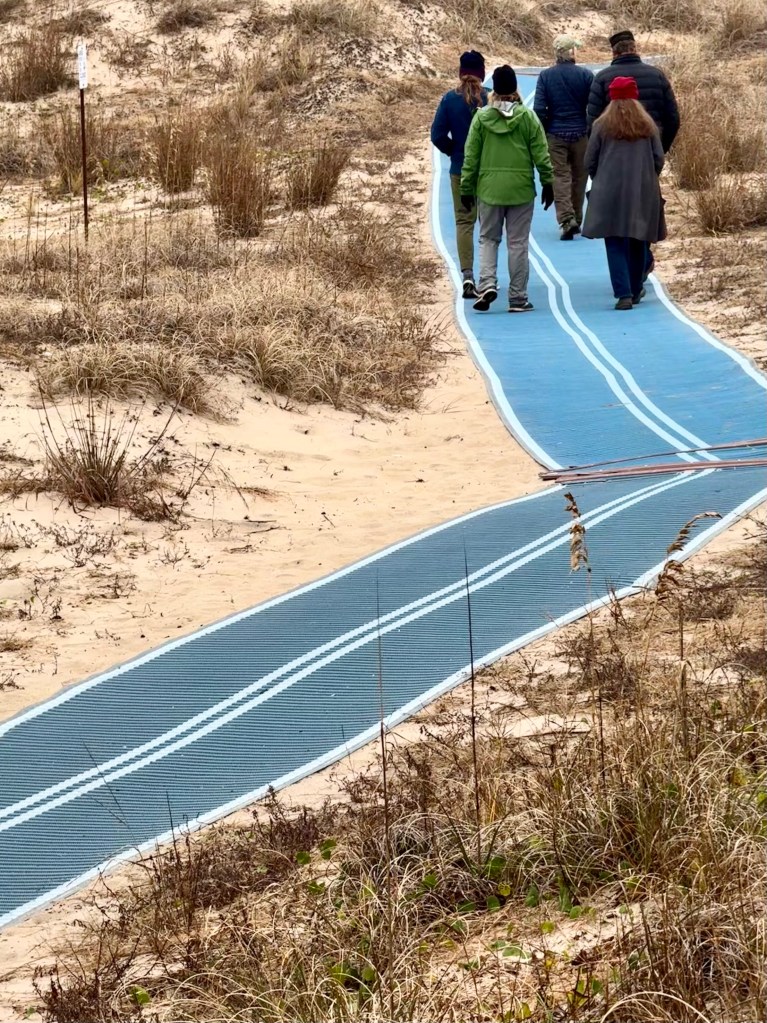
At the refuge as we walked toward the ocean on a blue mesh pathway that protected the sand and made walking easy we passed through sand dunes that reminded me of our visit to Haarlem, Netherlands, almost a year ago when we rode through the huge dunes to the North Sea with cousin Henny. That was also a national park, left natural and beautiful, but even on the shore itself where there were a few restaurants where people could drink coffee or beer and look out at the ocean, the restaurants were so low and inconspicuous that they blended into the seascape. The greatest surprise for me was driving along an ocean front town with the dunes and the North Sea just beyond. We had trouble finding a paid parking place before walking on the beach and then on our way back saw a drive in entrance to a tunnel under the beach where hundreds of cars could park, below sea level, I believe, under the beach sand, leaving the beach front uncluttered by cars or marred by pavement. I had the feeling that the Netherlands, which is densely populated, and all below sea level, protects every natural place. And the towns, which have plenty of commerce, the Netherlands is a trading country, are all well maintained with lots of gardens and canals and architecture that looks solid and beautiful often with the high peaked roofs over slim five story buildings that give the impression of both permanence and good taste. In Haarlem, instead of driving, many people ride bicycles to work and to market, and if they drive to the grocery store the parking lot is the three floors below the grocery store itself and not on the street. The reason for this must be partly because people are so close packed that there is no space of parking in the Netherlands. But the other reason must be an insistence on cleanliness and order and extreme good taste.
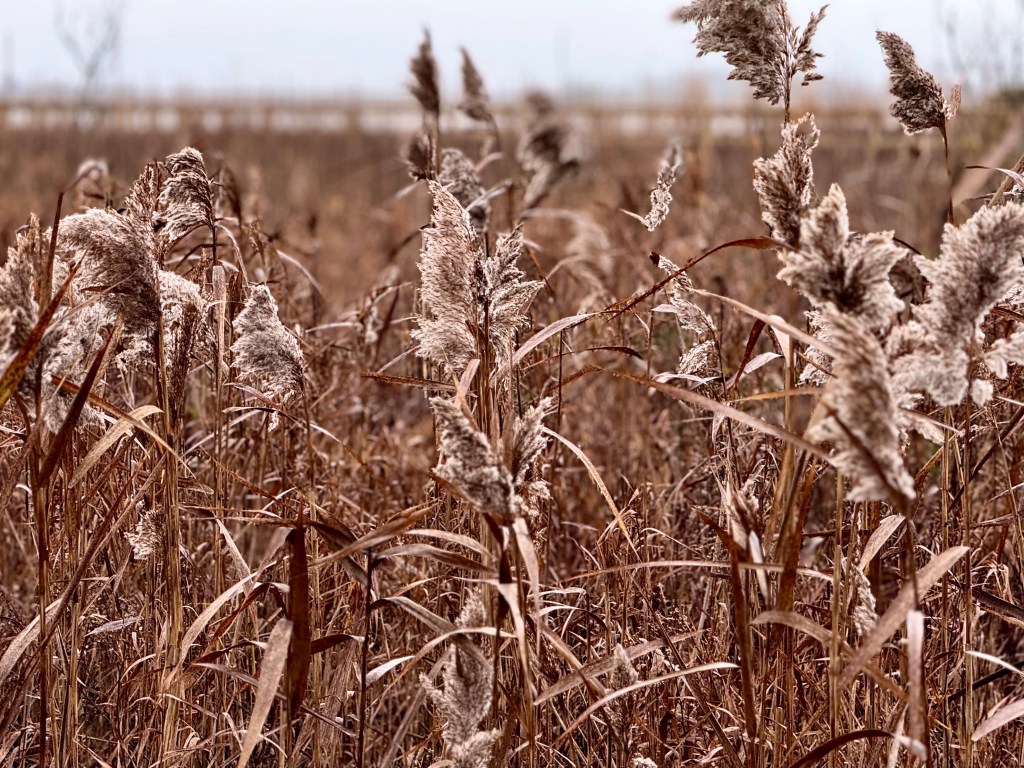
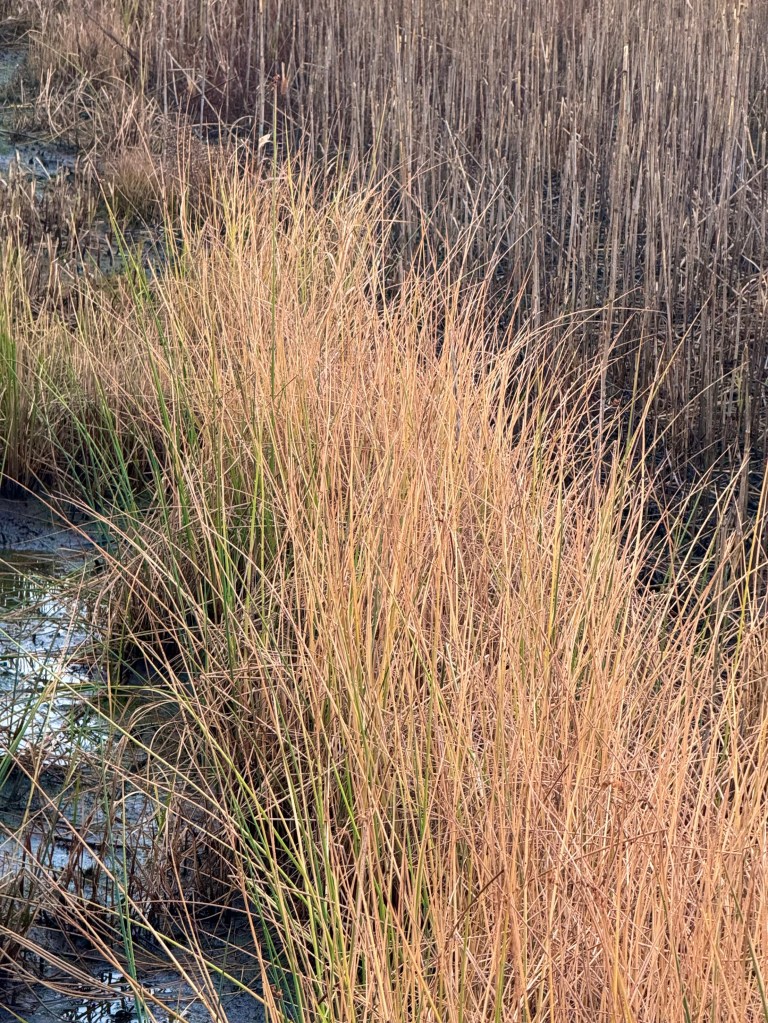
All of this was going through my head as we walked. But what was mainly touching me was the beautiful of the shades of brown of the grasses of the refuge and the beautiful clear views of the water on each side. It was a beautiful walk.



 BILLYBABA’S WANDERING