WOODSTOCK SCHOOL
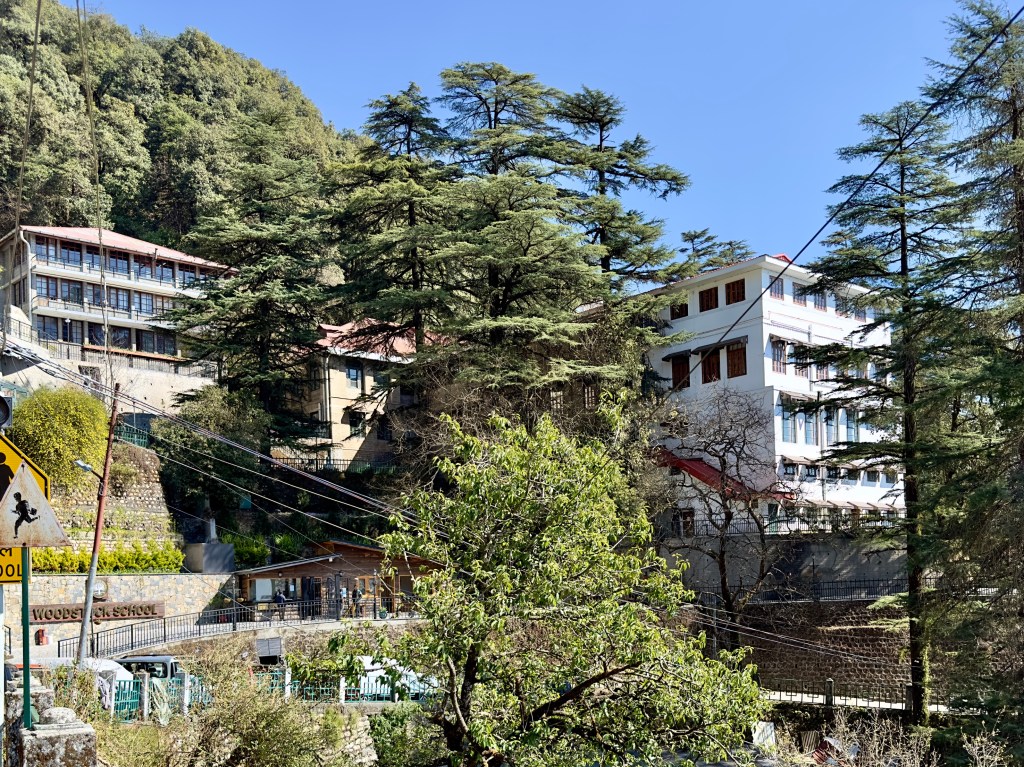
I graduated from Woodstock School in 1954, almost 70 years ago. On Thursday we went for an obligatory visit to the school and had a very pleasant time. Todd, Susie and I walked down the steep path from Sisters Bazaar to the school, a path that has gotten much steeper over the years, rocky after the rain and slippery. From the top of the hill is so steep that it seems that you could take one giant step out and drop straight down and you would be there.
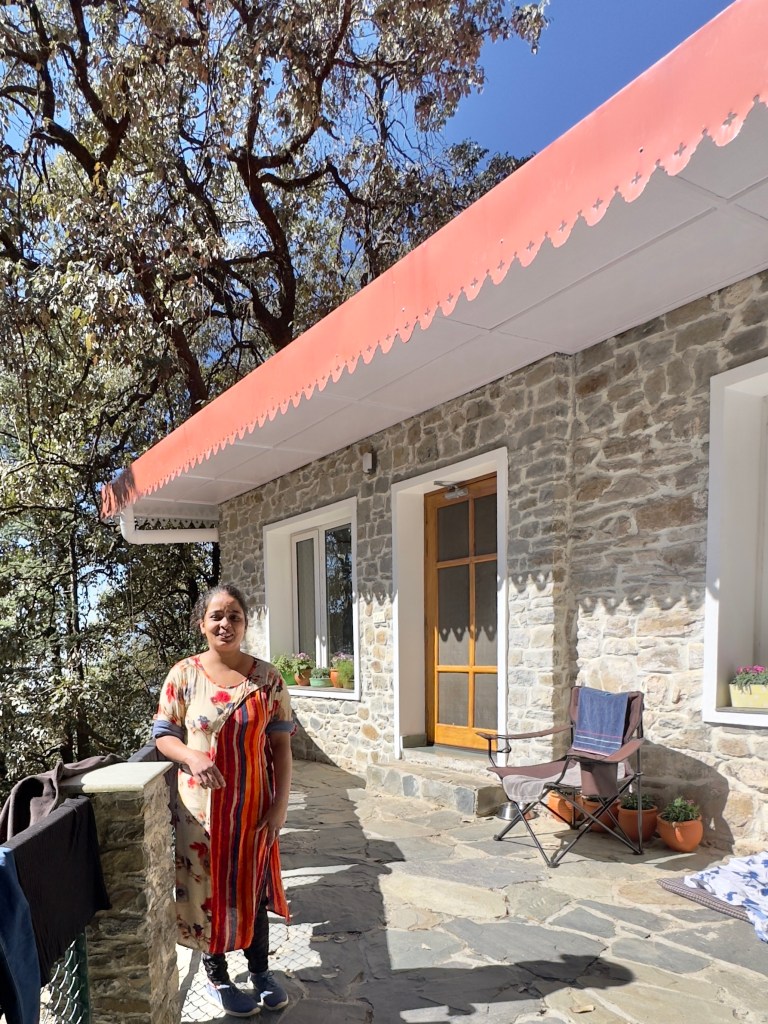
But it took me a half hour to inch down past my friend Ray Smith‘s house, Redwood Cottage, remodeled beyond recognition, and my old mission house when out of boarding, Tehri View, now abandoned and falling down after an earthquake years ago cracked the walls.

Woodstock School was founded about almost 175 years ago in a completely different colonial India as a girls school for missionary children with the first four women teachers arriving from Dehra Dun by bullock cart. By the 1950‘s when I went to school it was an American missionary boarding school for the children of missionaries and others from all over north India and beyond but since then, as the missionary presence receded, it has become a well known and top ranked international school with excellent staff and facilities.

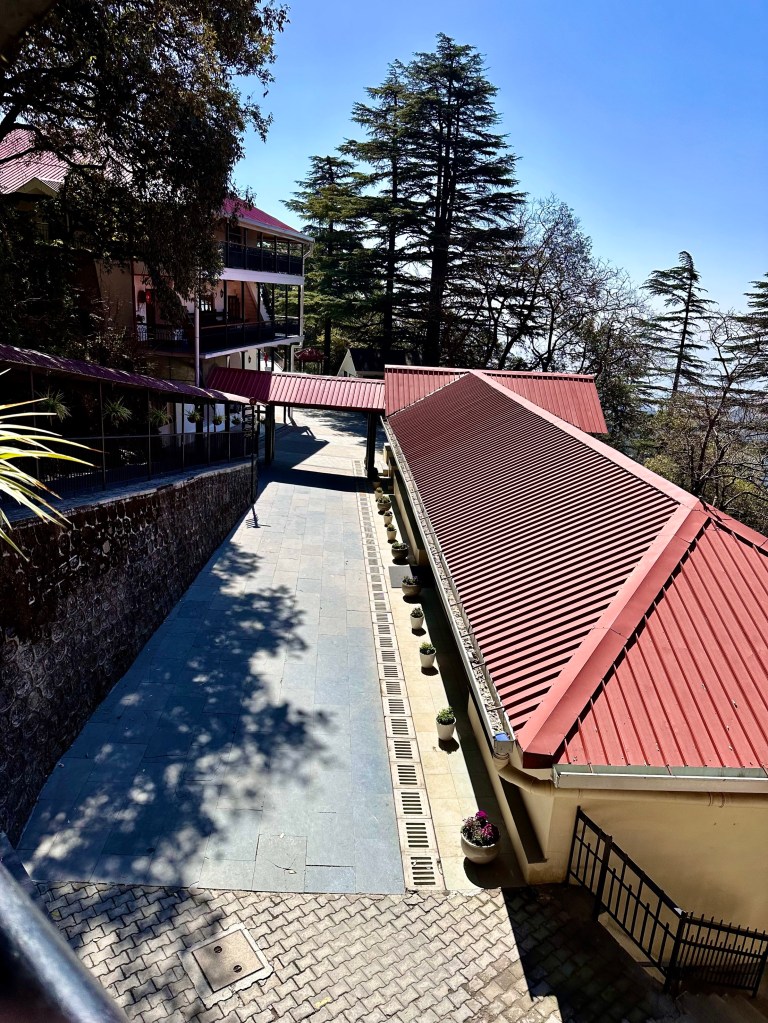
The major red roofed buildings are the same as they were in my day but have all been renovated and improved. The school is on a very steep hillside with a a 500 foot climb from the dormitory buildings to the classroom buildings.
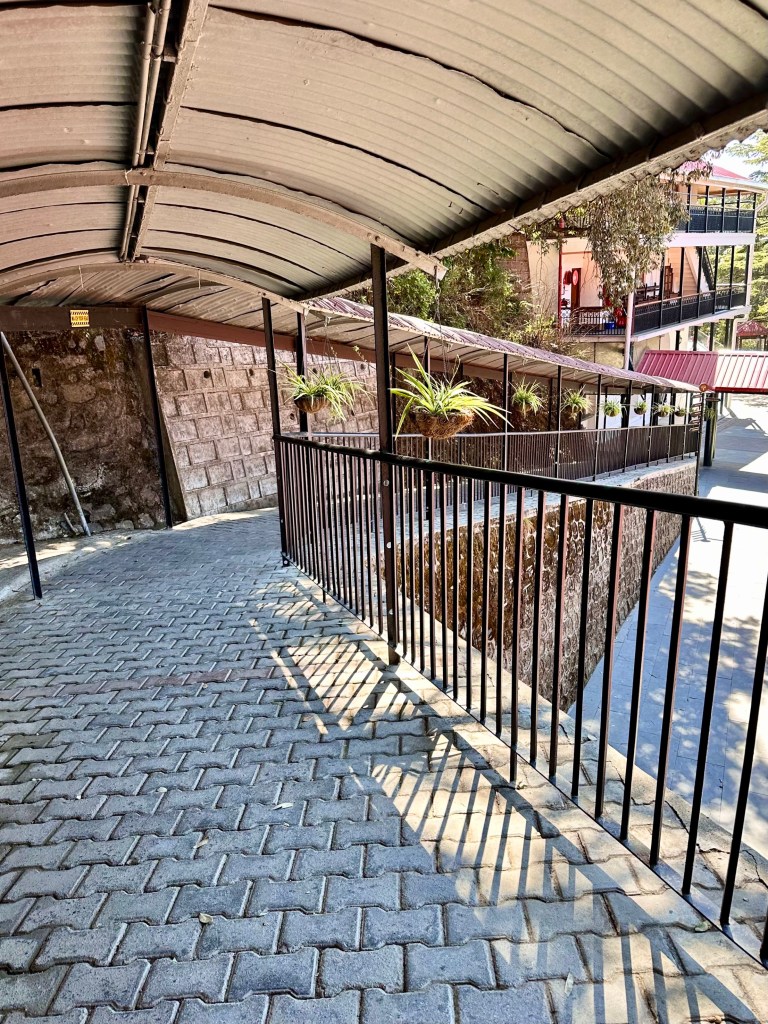
We went through the front gate where we were signed in by a guard and given special passes to wear around our necks and escorted to the Alumni office where the small staff were very cordial and friendly and then sent us on a tour of the school. The pandemic years were very hard on Woodstock. All the children were sent to their homes across India and abroad and the school shifted to remote learning with students scattered around the world. Now the students are back and maskless and relaxed.
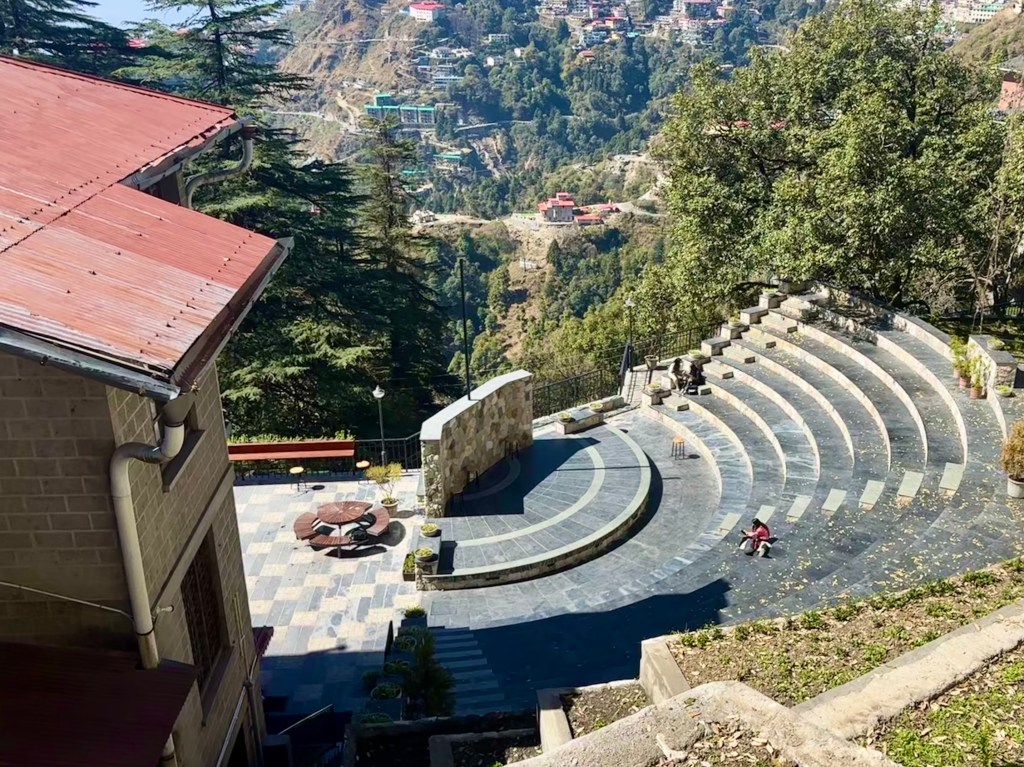
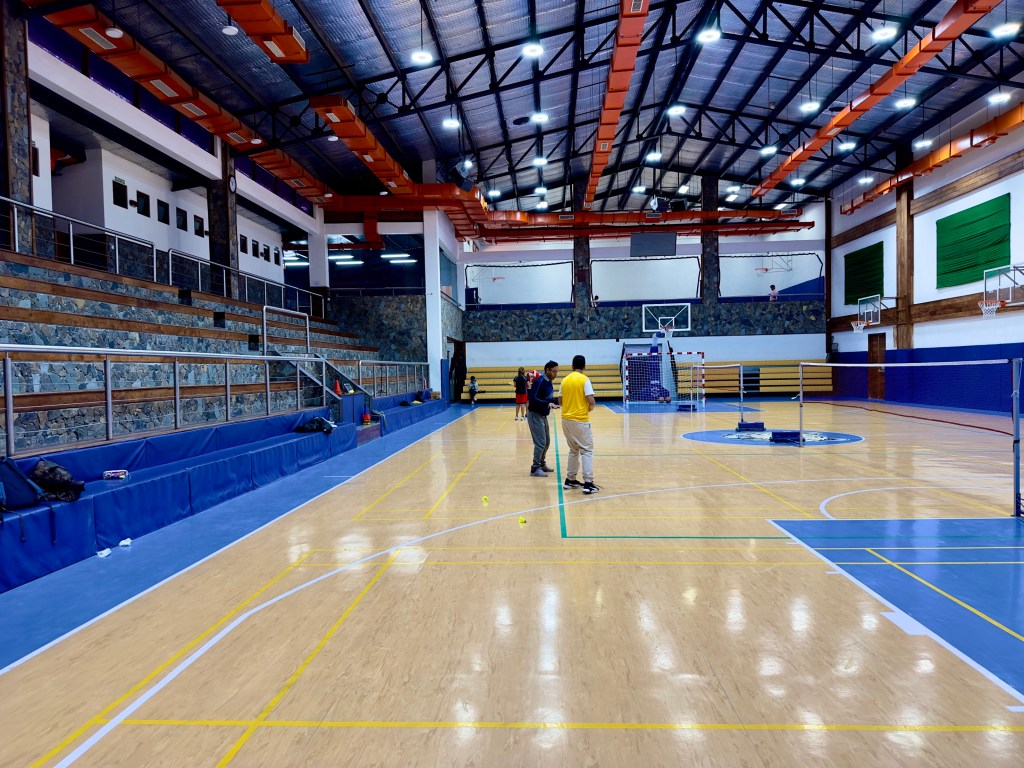
Two big changes happened during the pandemic. One was that the school was able to make renovations in the classrooms and the all around the school without disturbing classroom learning. There is beautiful rock work everywhere, an amphitheater where the flat place outside of the upper school used to be, and everything looks modern and well kept.
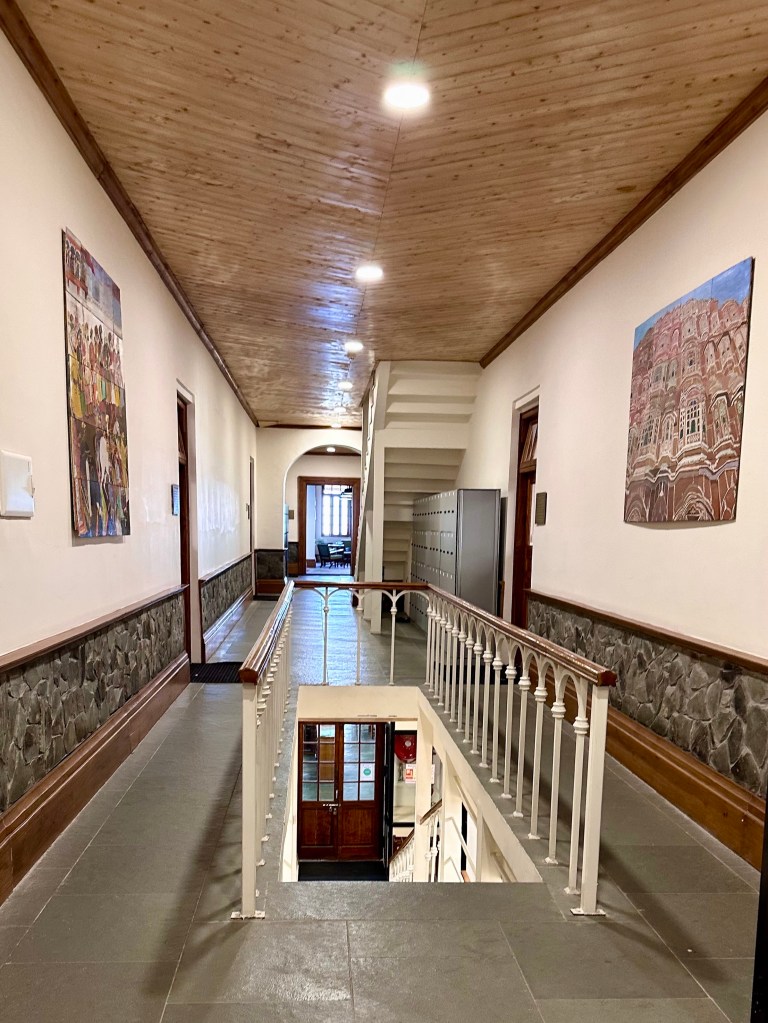
The second thing is that the pandemic shifted the makeup of the school still more toward being less multicultural since students from distant countries were less likely to return. When I was a student it was perhaps a 70% western countries student body with a a large number of Americans. Now Woodstock is a 70% upper middle class Indian school with a number of children of Western staff but many fewer Asian students. It is essentially an international Indian school with very relaxed and lively Indian students.
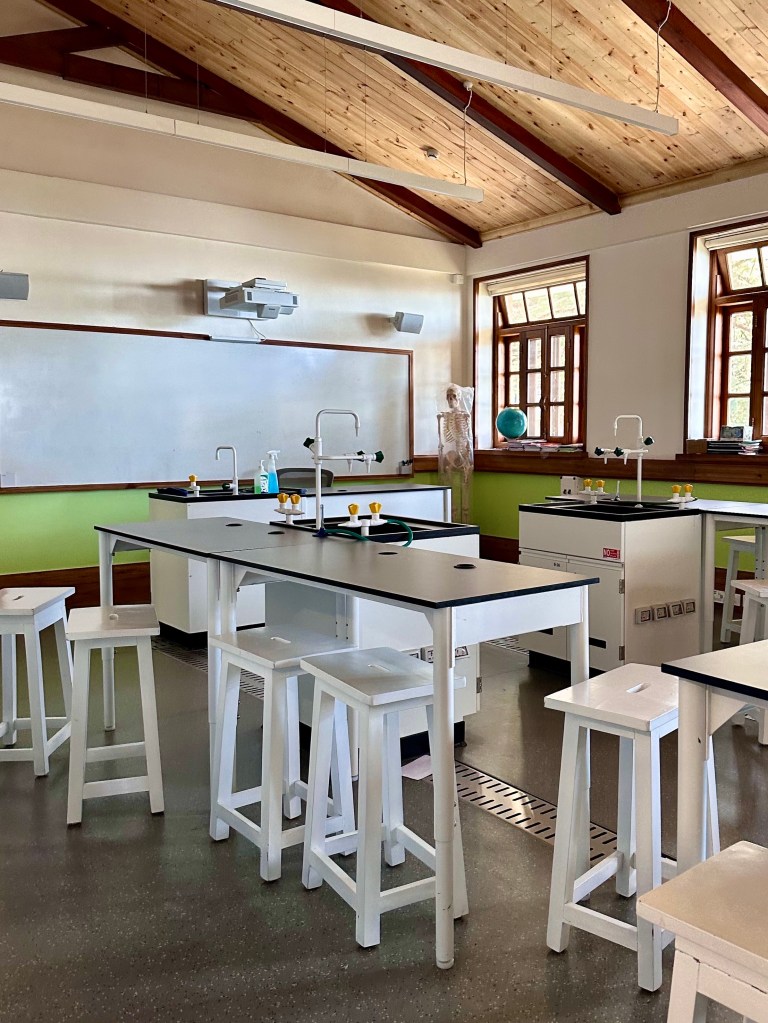
We were only there for an hour for the tour and a meal in the very beautiful dining hall with a wide variety of food offerings with the featured food being make your own burritos with all kinds of toppings. So this is a superficial look at Woodstock. But the high class renovations and the change in the student body were the obvious large changes.

For the rest of this week I have been thinking about my own personal relationship to Woodstock school and wondering why I have kept coming back for a visit every few years for the last fifty years. So the following entries are probably only of interest to people who have had a similar Woodstock or international experience and perhaps not even to them. It is written out of my own confusion and is the best that I can come up with at this time.



 BILLYBABA’S WANDERING