UNDERSTANDING PHOTOGRAPHS

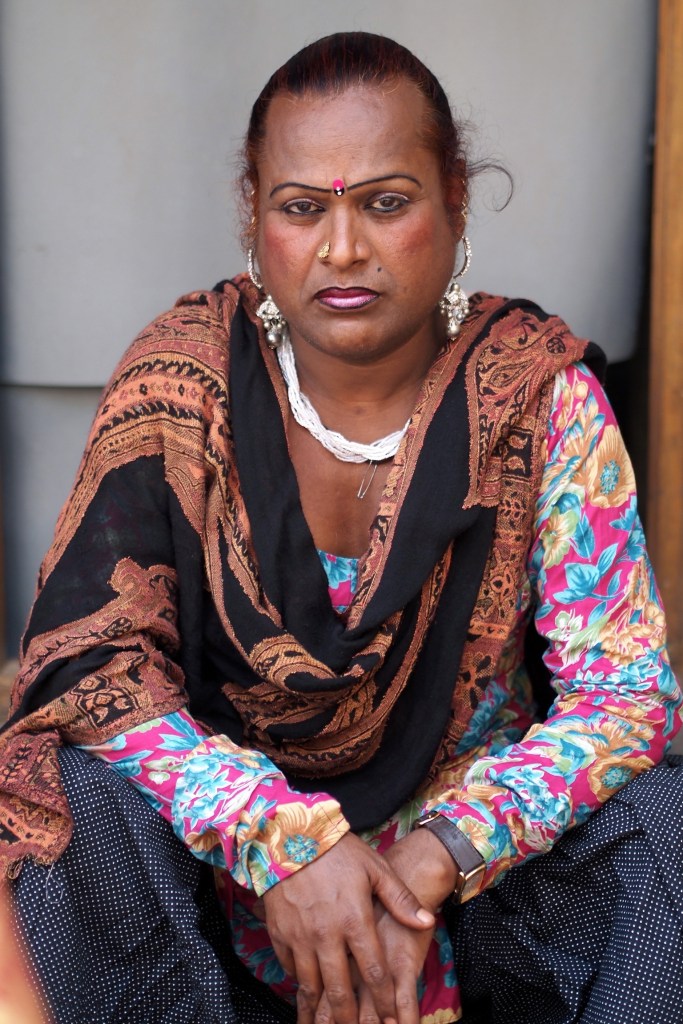
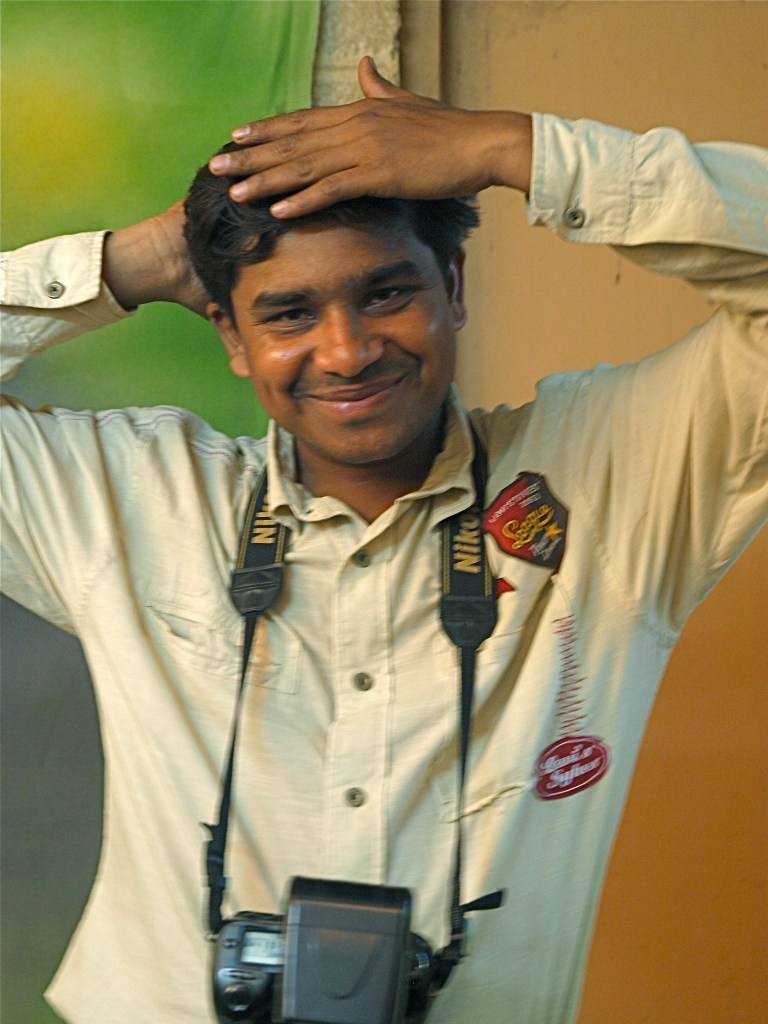
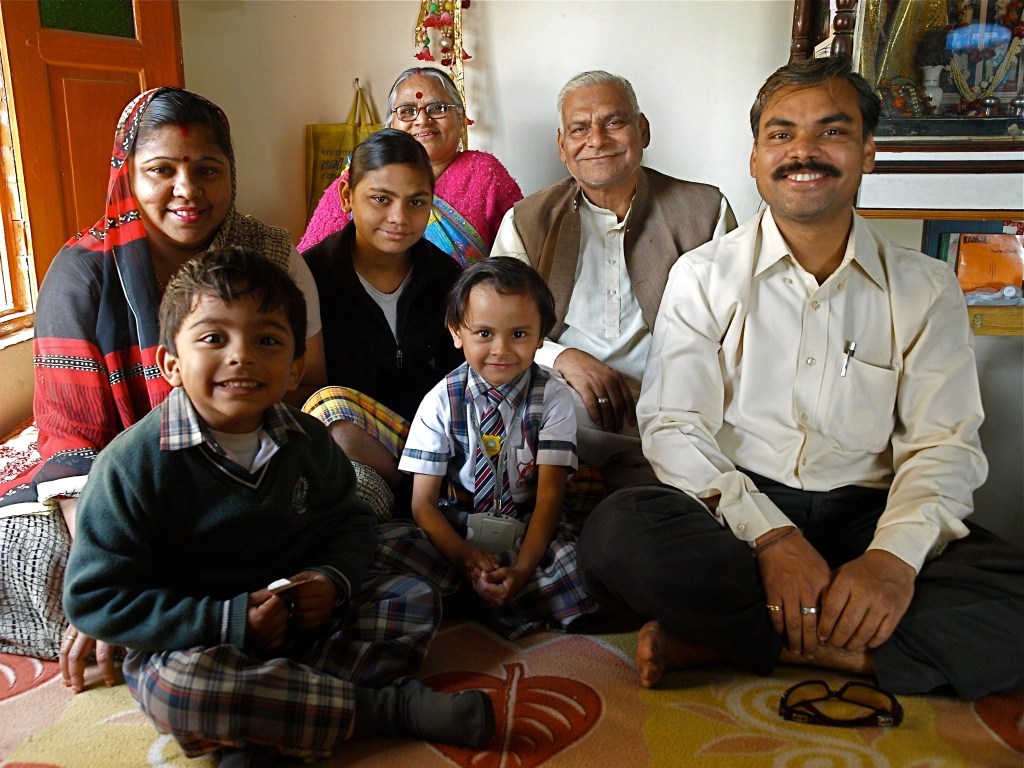
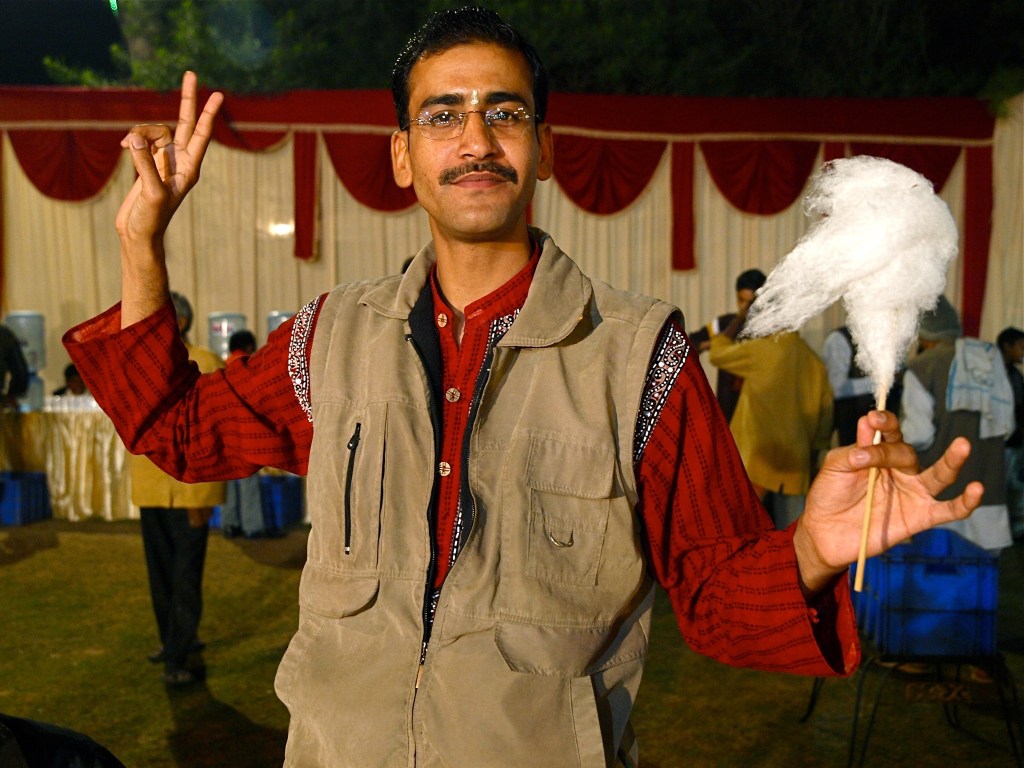
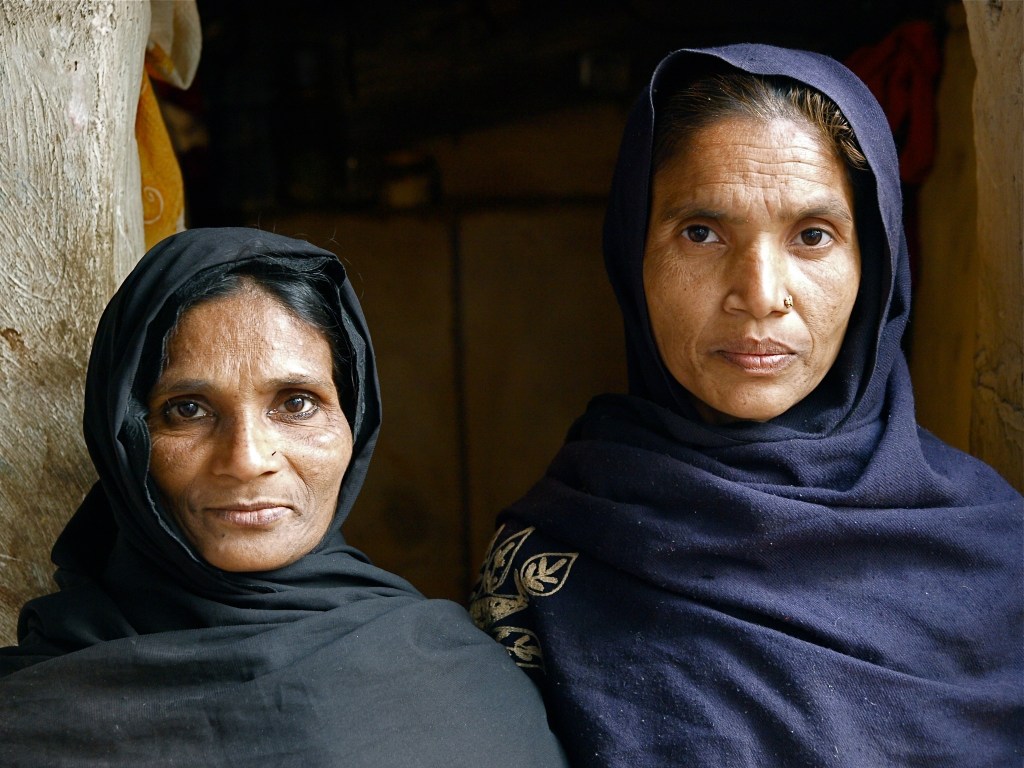
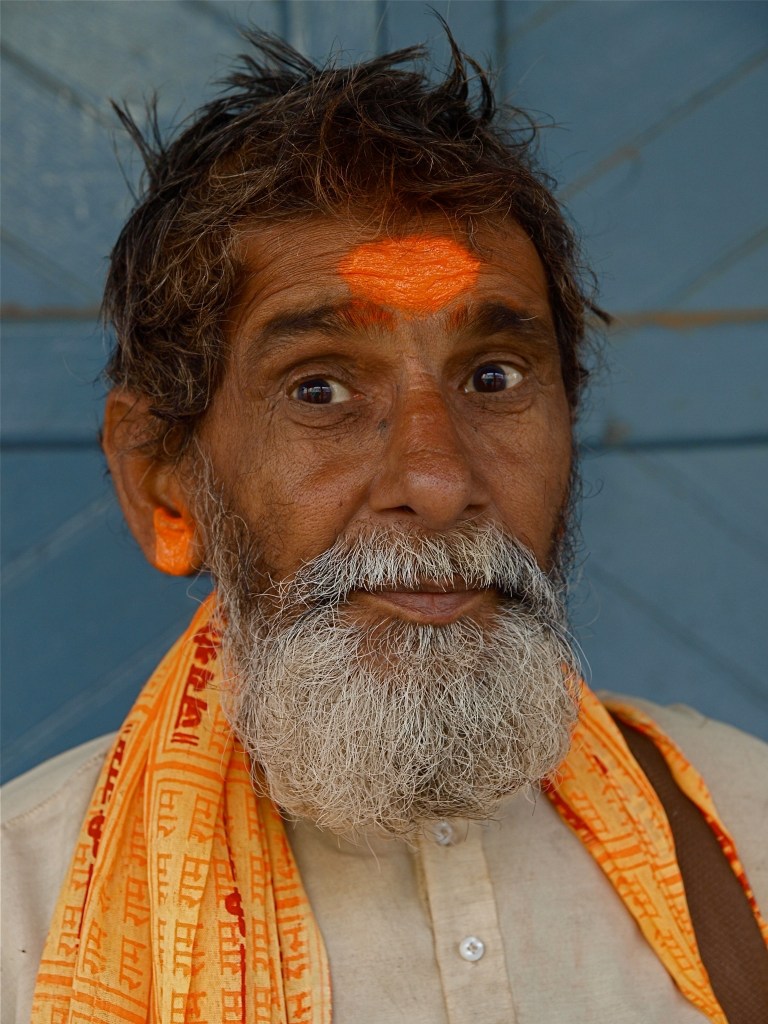
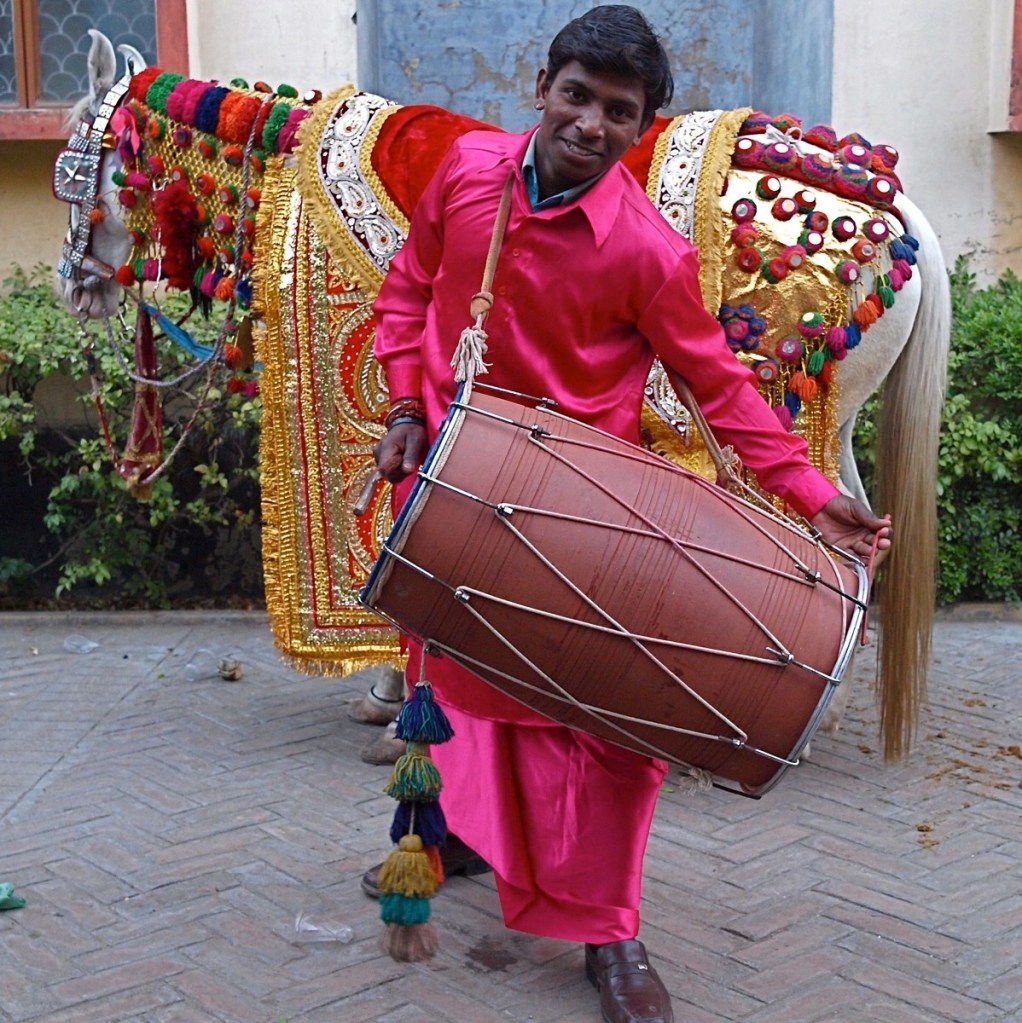
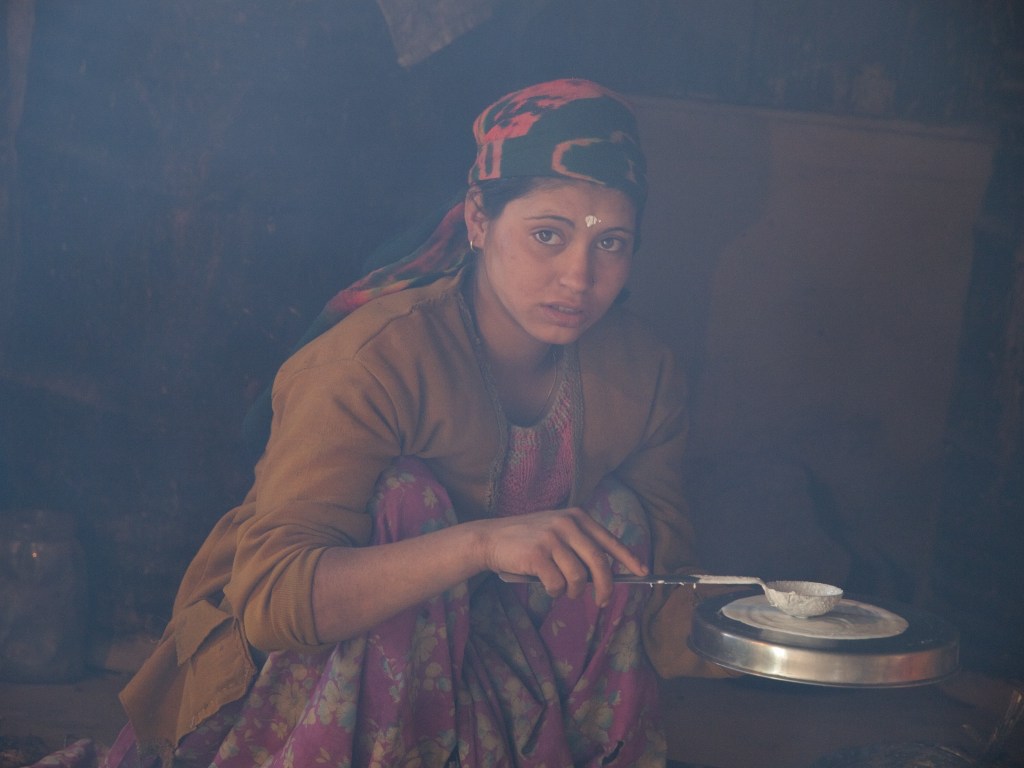
A number of years ago I collected a number of photographs I had taken of people in India into a book called Eye to Eye. You are looking at an Indian person and he or she is looking at you. You are two people looking at each other. I generally followed the six suggestions for enhancing a portrait mentioned yesterday. In almost all these photographs the person is wearing colorful clothing and often has beauty makes on their face which enhances their presence. I am up close to them and they are responding to my presence, usually with a smile as most people do with people they don’t know. The background is generally plain or out of focus. The light is generally good and I probably took several photographs of that person and chose one and on that day I took photographs of several hundred people and chose this one.
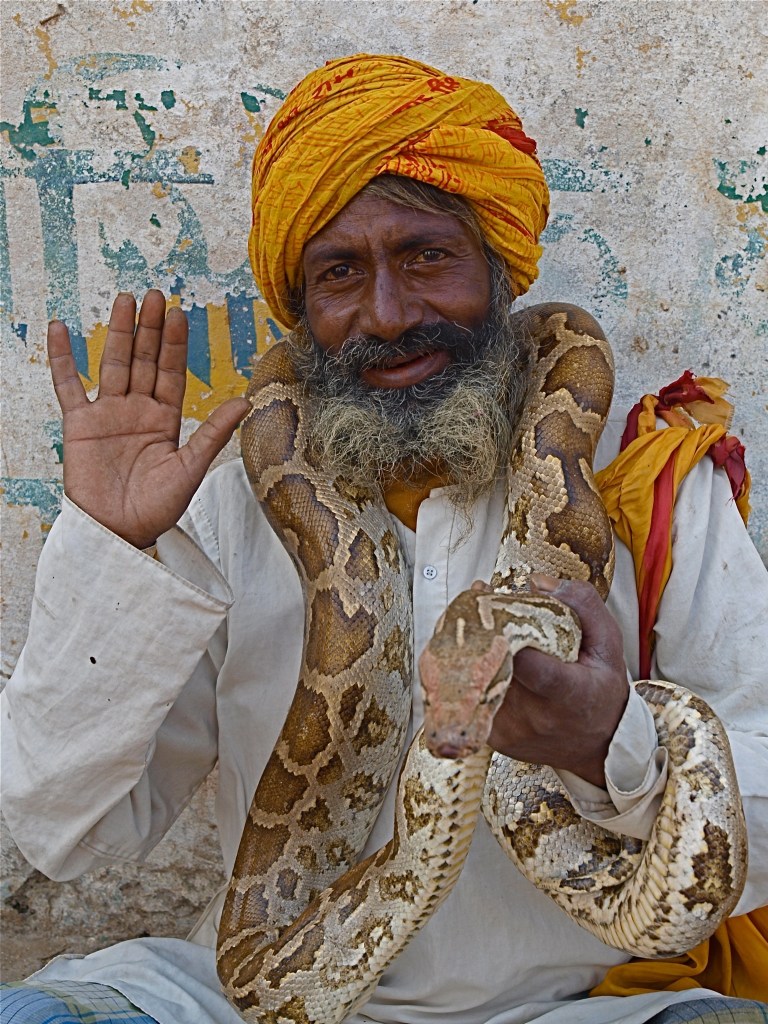
But very likely you don’t ask any questions at all. If you are touched by the photograph it is because of the presence of the person. Generally there were twenty other people within twenty feet, why did I pick this person? I would have trouble answering that question. It was probably because something about that person touched me intensely, zapped me, either a woman’s beauty or the expression on his face, or the brilliance of the person’s costume, or the way a person is leaning. Who knows, and what touches you may not be what touches me.

But why did I take the photograph and what do these photographs mean. If you have a question it is probably cultural. Why does a man have a smear on his nose, why do women have a red line in their hair, why do men wear a turban, what is a guy doing with a snake around his neck, why is a woman sitting on on the floor with her feet flat under her?
I doubt that you would ask me what kind of camera I was using, what F stop the photograph is taken at, whether I cropped the photograph to get close or used a telephoto lens, how I managed to get the particular background, whether I paid the person to let me take the photograph, how many megapixels the photograph was originally, whether the camera ISO (sensor sensitity) or IS (image stabilization) allowed me to get the picture in low light.

You wouldn’t ask me and if you did I would have to look it up on the information the camera records for each photograph. The camera knows and I don’t care. In the early days of photographing I cared because without image stabilization or high sensor sensitivity the low light photograph would be blurred. But now the camera, big or small, is so advanced that I forget about those technical details, the camera takes care of everything.

And after I take the photograph I can process it, again without knowing any of the technical details or how the camera works. I can crop by moving a slider, enhance by moving a slider, increase contrast by moving a slider, enhance color intensity by moving a slider. The process of processing a photograph is now entirely intuitive, you need have no technical knowledge, you just slide sliders and see the effect without any advice from anyone else you decide what you like and leave it at that. Digital photography is almost entirely a feeling along none technical process, unlike traditional film photography where you often needed great technical skill and a lot of equipment.
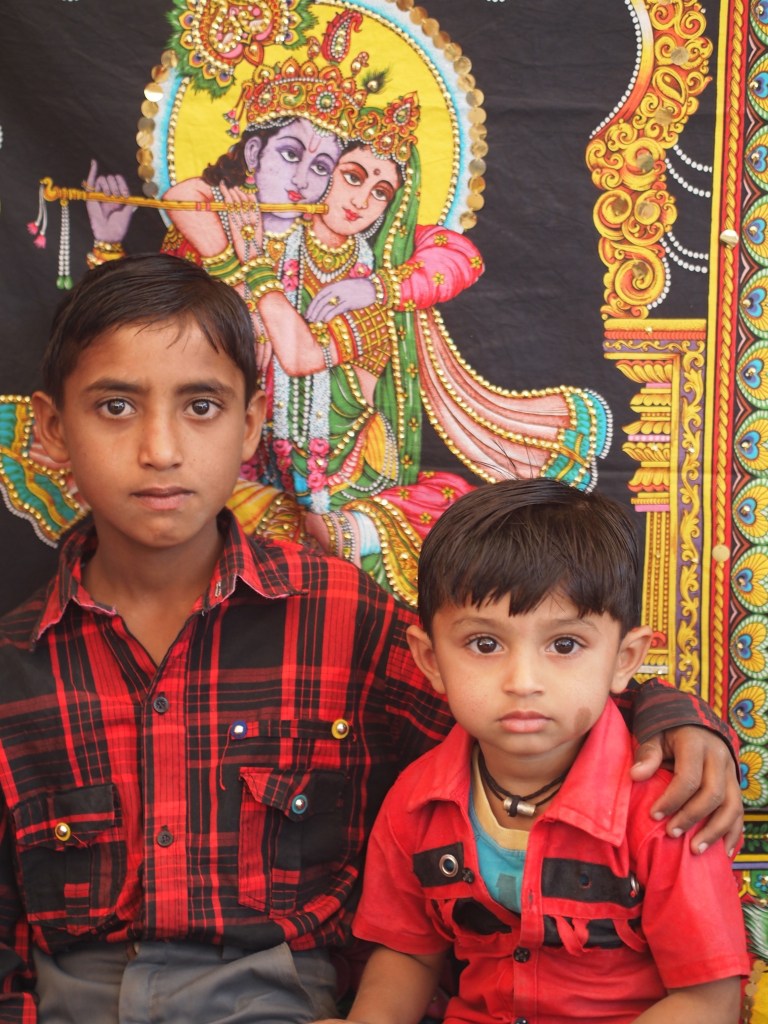
So look at these photographs and judge for yourself whether this seems to be an intuitive non technical feeling along unintellectual way of responding to photographs by what touches your or me, or if it is and intellectual exercise that you would get more out of if it were explained.
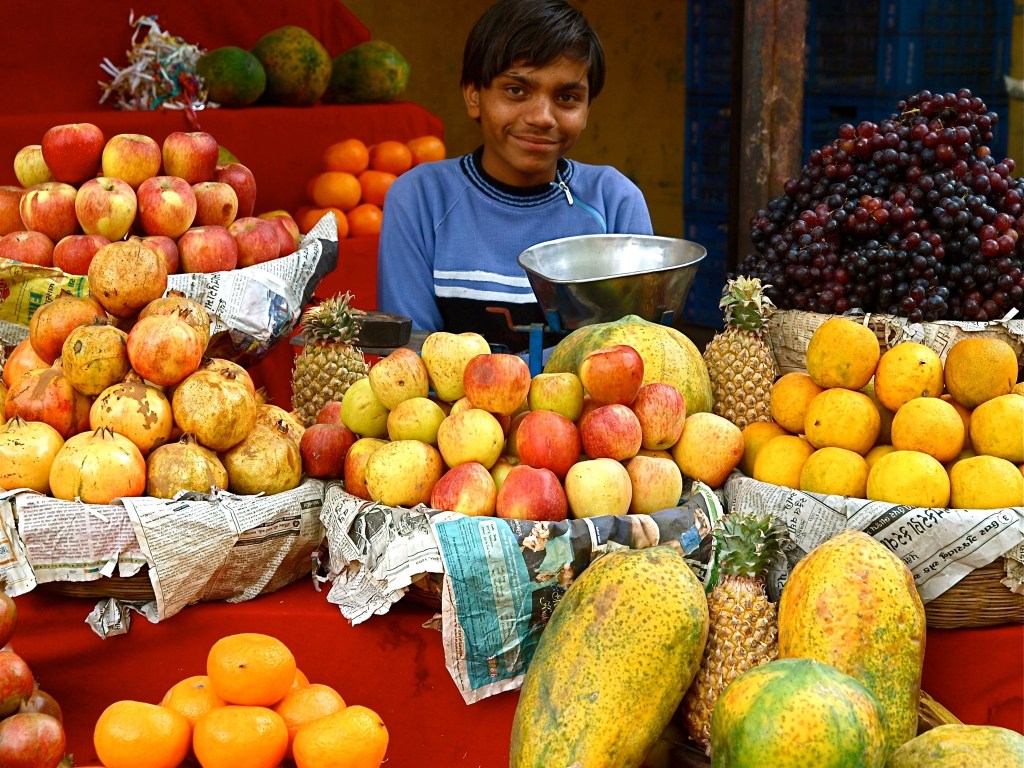
If photography, or this kind of photography, is simply an intense experience that you absorb somehow with trying to understand it, then maybe it illustrates one difference between academic learning and experiential learning.
 BILLYBABA’S WANDERING