THE EXPERIENCE OF PHOTOGRAPHY
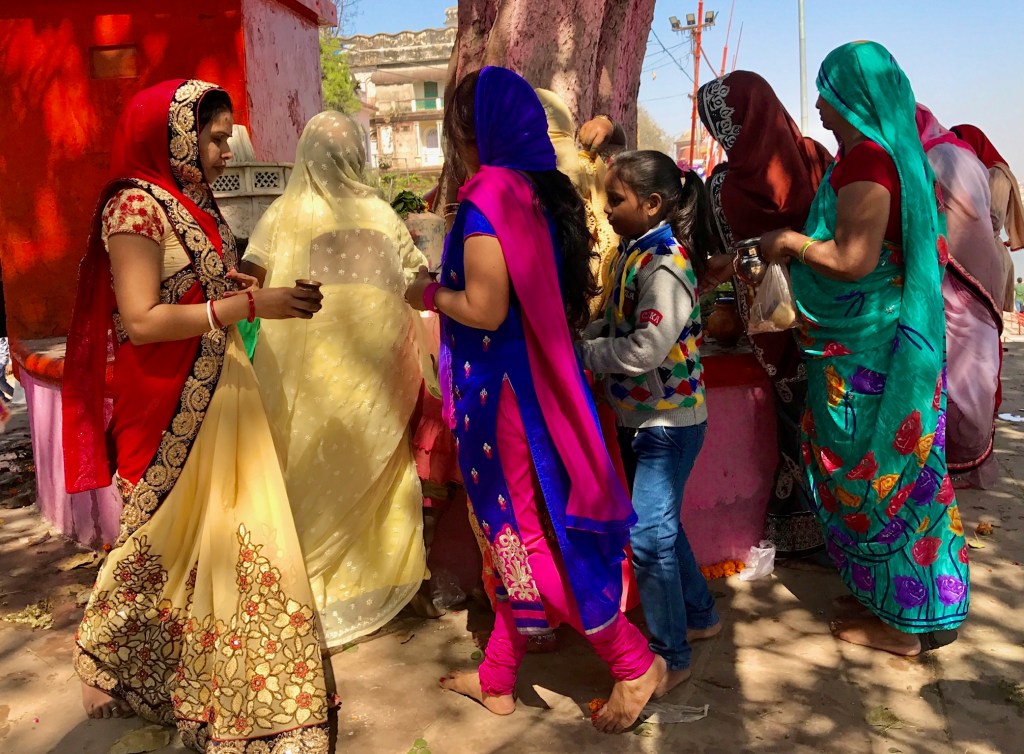
I have experiential learning on my mind and am having trouble distinguishing between academic learning which I was involved in most of my life as a student or a teacher within the conventions of one academy or another and learning through experience which is the way that I have learned most of what matters to me and is what I tried to focus on when teaching in the academy either in class or on trips to India, feeling like a duck out of water as I did it since my fellow teachers were teaching in standard academic way.
At 60 I picked up a digital camera and took some photographs and was suddenly hooked on photographing, which I have been doing now avidly for 25 years.
So to sort out the difference between these two ways of learning, experiential and academic, I am going to look at photography and see if that helps me in understanding this difference.
Photography siezed me because the process of photographing seemed very alive to me. I didn‘t photograph because I wanted to take “excellent” photographs or take photographs as a record of something or to photograph a particular subject but because photography gave me a way to respond with feeling to people or landscapes or objects that touched me with intensity. It was that almost erotic intense response to a person or an object that drew me in. For me photography was a way of feeling along to something that touched me intensely and then responding to that person or object through photographing it, which captured that moment of intense response in a still moment.
That doesn’t mean that every moment was equally intense or that very many of the photographs reflected or captured that moment of intensity. I learned early on that 90% or more, actually much more, of the time the photograph failed to capture the intensity of my feeling. In fact it often happened that the most alive photographs happened by a chance facial expression or movement that I couldn’t have anticipated.
But the point is that the impetus for taking the photograph was an intense feeling of being touched on my part which I tried to capture. People have told me that I have a good eye, that I see intense moments, but that isn’t the way it seems to me. To me I simply shoot when something zaps me. If anything, I have more intense openness and response. And even if this is true, I know that what touches me intensely very likely won’t touch someone else and that I have no idea why some things touch me and some things don’t. The intense response is an unconscious jolt that comes from somewhere within me. This allows me to photograph what I please without trying to please anyone else. I am after my own private jolt and if other people don’t feel it or like what I photograph it is irrelevant to me, we are simply touched by different things. But I have no doubt that the things that touch me, touch me with intensity and make me feel more alive, are valid for me and so I am satisfied with the way that I photograph.
That doesn’t mean that after taking hundreds of thousands of photographs I haven’t learned something about what enhances the photographs of things that touch me. But what I have learned is not very complicated. If I were to teach a course in photography it would be over after one lesson. Here are the things that I have learned.
1. Photograph what zaps you without wondering about it.


2. Get close and fill the frame. Most people stand back and don’t focus on what touches them.
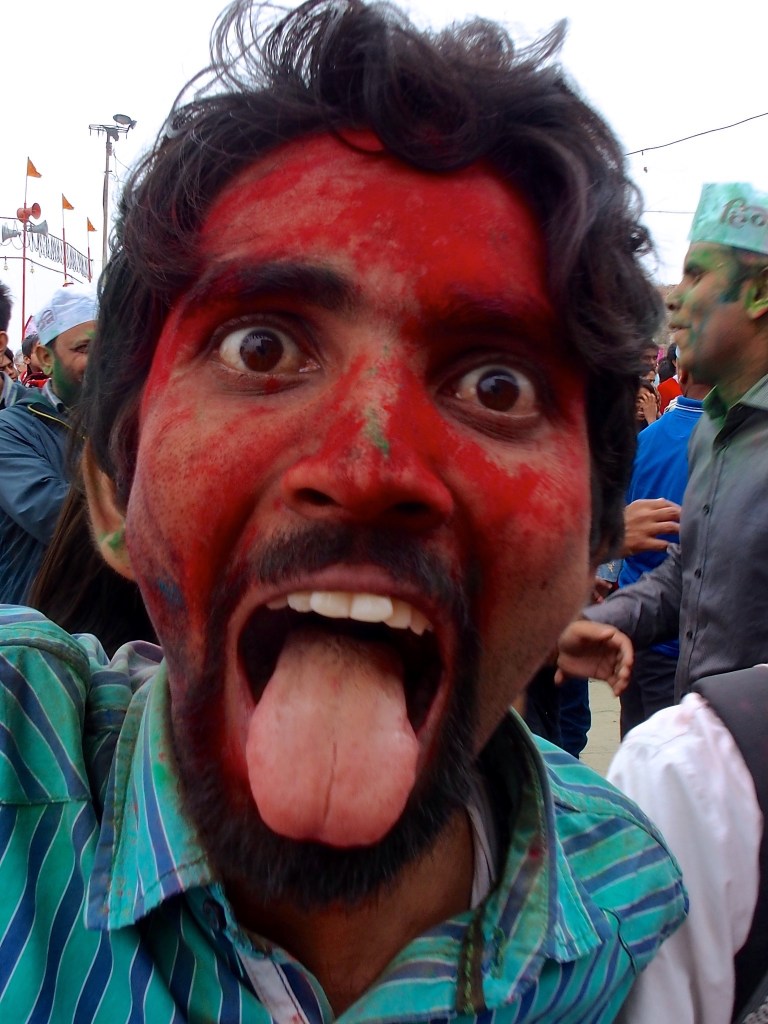

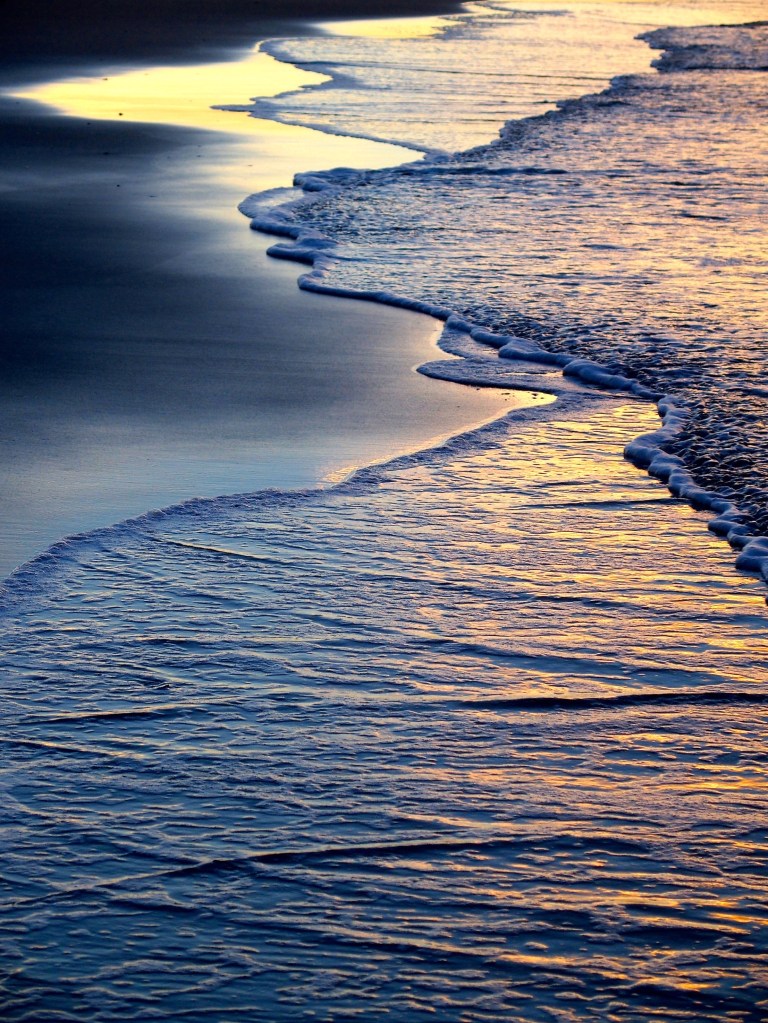
3. Good light enhances a photograph, often early morning or late afternoon light or shade. Bright light glares.

4. Have a good background since it is usually half of what one sees in the photograph. The best background is interesting in itself, the next best is plain and without details, the next best is the blur called bokeh.
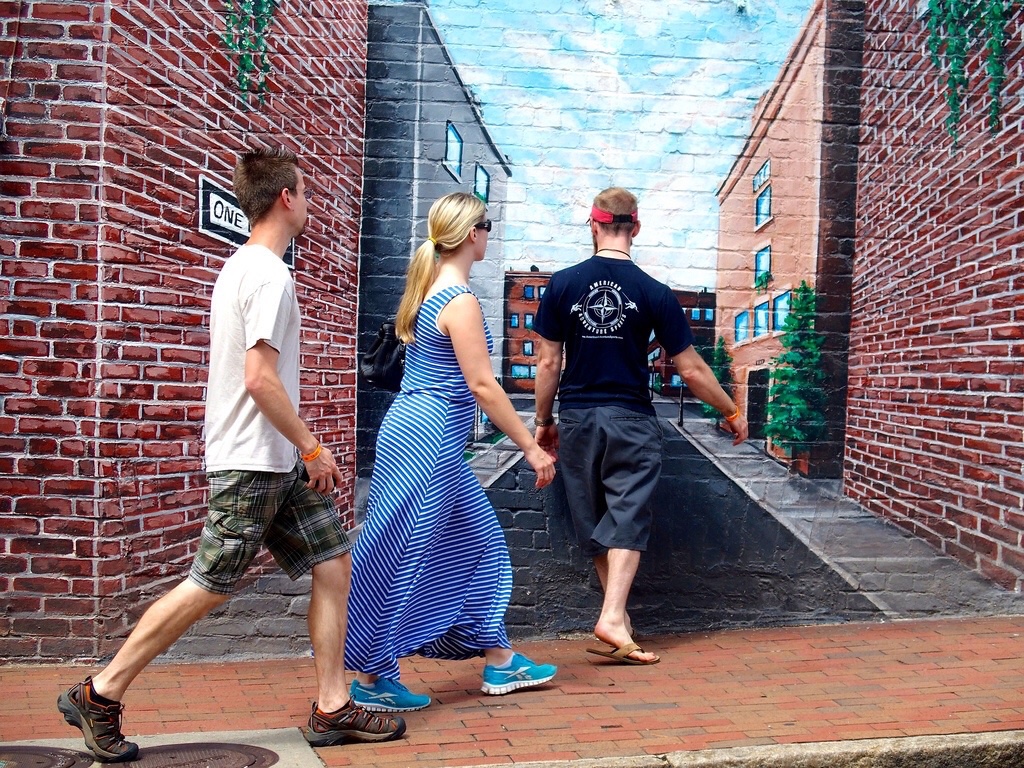

5. Especially with people when you don’t know how their facial expressions will change shoot as many times as you can and then pick the one photo you like the most. This is true but less true of everything else you photograph, one photograph will have more zap than the others.


6. Use the best camera with the greatest capability that you can afford which often means updating every other year because the camera does almost all the work for you and cameras improve every year. But the size of the camera matters because the best camera is the one you always have with you. You may have to compromise between portability and quality, although these days that isn’t much of a compromise because even the tiny cameras, cell phone cameras, are extraordinarily good. All you have to do is to try and keep points 1-5 in your head at the same time and eventually to act on all of them intuitively and let the camera do the rest.
So that is it, in one page, half a lesson, all that I can teach about photography. Course over, go out and take 100,000 photographs and enjoy yourself and you will get good at it and at least please yourself.
That is how I learned to photograph by feeling my way along without anyone teaching me what to do. If I had known those six points in advance it might have helped me to recognize what I was learning, but I would still have had to take 100,000 photographs and learn through my own experience.
A few years ago I attended a once a month photography club here in Asheville where photographers at all sorts and levels would hear a presentation by one of the group and would mix and enjoy the company of other photographers.
And I have been to one professional photography workshop, in Athens, Greece, of all places, with photographers from around the world. A former student, a professional photographer herself, invited me when I happened to be in Athens.
In both of these cases I was exposed to another way of learning about photography. The photography club was more interested in the technology of photography and in techniques. But the higher level workshop was consumed, I felt, with the intellectual statements made by photography. At this higher level the photographs, usually black and white and often abstract, conveyed a statement about the world, an intellectual response to climate change or industrialization or political activism or poverty or globalization. And I am sure the photographs of the attendees that were shown did that.
But the discussion was touching a different part of my brain. My own photographs, which I am sure would have seemed childish and sentimental to the participants, were of things that had zapped me as being beautiful or emotional in some way and without my having any sense of what they meant.
Theirs had levels of meaning but didn’t zap me, weren’t intended to zap me.
I am not criticizing them in any way or dismissing them. They were doing something different from what my photographs do for me.
And somehow I have a sense that the difference between these two forms of photographs is also the difference between learning through experience and learning academically although I can’t quite put my finger on it, it is learning with different parts of the brain and with completely different perspectives.
And somehow how my six guides to photography taught in one easy lesson, and their much more intellectual and abstract approach are different ways of thinking and feeling and responding.
I forgot to mention one other thing about my way of being zapped by photographs. Another way I have learned what I like in photographs is through looking at book after book of photographs by the great masters of photography. Photography took over one of the functions of painting of landscapes and portraits which through the long history of painting were of things that touched people with intensity, often of beautiful people with almost no clothes on, erotic paintings. It is only in the last century that painting has become abstract. And up until fairly recently photography has done the same thing, conveying the response of photographers to things that touched them with intensity, including nudes.
But lately in both painting and photography there has been a shift from realism to abstraction although a visual rather than intellectual abstraction but in both cases feeling more intellectual than visceral. This kind of photography and art begs to be interpreted where earlier photography and art asked to be felt. That hasn’t kept critics from interpreting and analyzing earlier art.
But personally, when I was a non academic in an academic institution, interpretation of art or music or photography or even poetry seemed to be applying one perspective on the world, intellectual understanding, to another perspective on the world, being intensely and intuitively zapped, with, for me, intellectual interpretation having a numbing affect.
I guess it depends upon what you most like to do. Because intellectual understanding is also, for me anyway, one way that humans feel their way along. We are driven to understand. And if that is what rocks your boat then you want to analyze and understand everything and make a career in science or to treat the humanities critically.
But if you want to focus on being touched deeply in unconscious and intuitive ways then you let go of understanding and open yourself up to feeling. You want to be zapped by a photograph and maybe see how the elements of a photograph enhance it, but through feeling not a theory. It is how the elements touch with feeling not what they mean.
Anyway, this is my attempt to be aware of what is going on for me in photographing and to sort out, a little and in this one area, the difference between functioning thorough feeling your way along through experience and intellectually creating a framework for understanding experience, within an academic discipline.
 BILLYBABA’S WANDERING