
THE BLOCK
Yesterday Susie and I visited The Block, the former Black center of Asheville. For decades it was the center of black life in Asheville with a hundred black owned businesses. By the time my family moved to Asheville in 1965 segregation had ended, the Black high school, Lee Edwards, had closed, the Mall was about to be built which would destroy much of the commercial activity in downtown Asheville and someone had the idea to greatly widen Charlotte Street as it cut through downtown as an urban renewal project which caused the leveling of a large section of black homes and businesses adjacent to The Block.
Now with the revival of the downtown and the decline of the Mall, Biltmore Avenue and Pack Square, which I photographed yesterday, were thronged with people. But the Block, the former Black commercial center of Asheville was strangely empty.
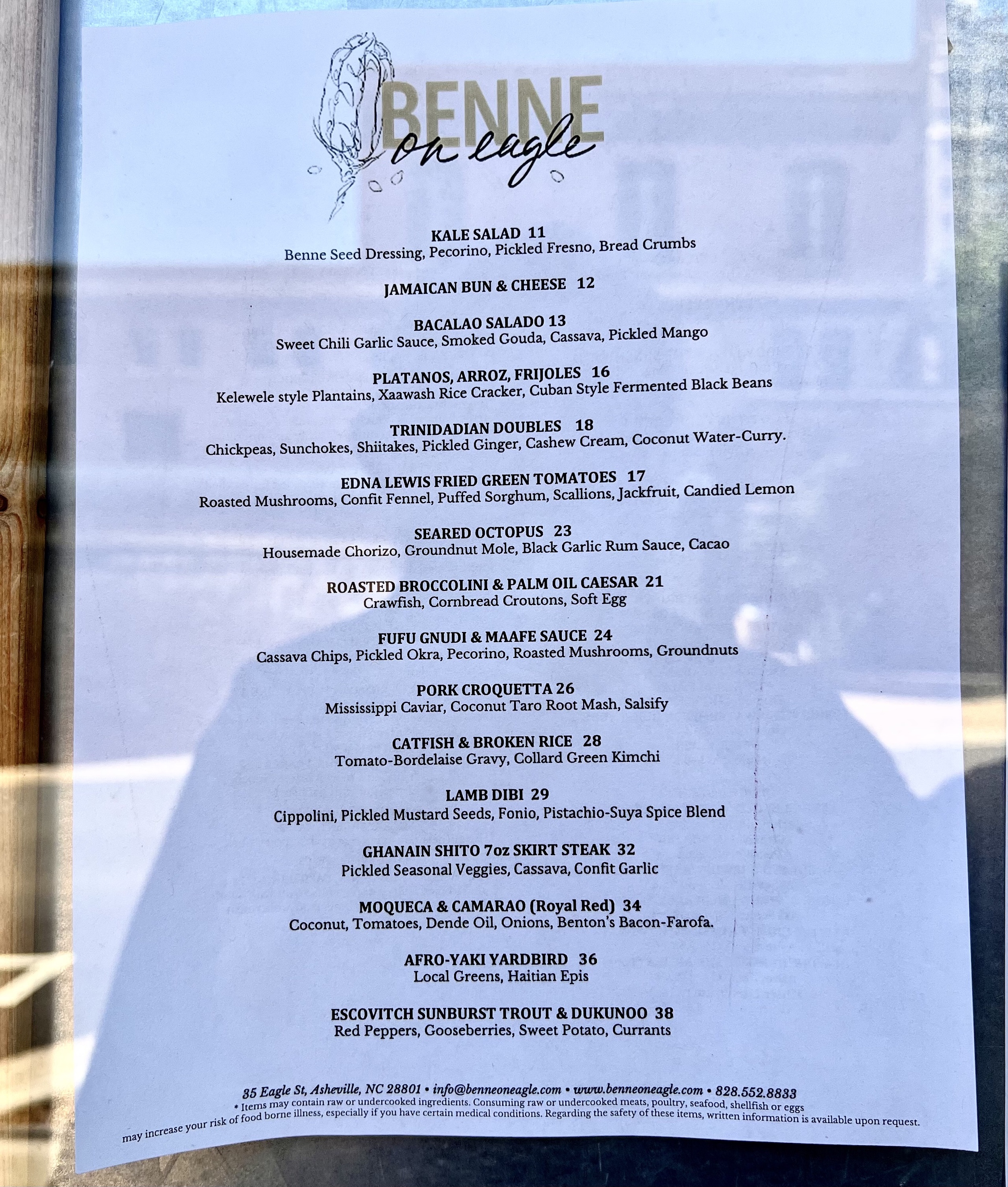
We were in search of Benne, a restaurant that had a celebrity Black woman chef who specialized in Southern African American food. She has left to open her own restaurant but we found Benne which still offers African American food of the American south and the Caribbean. It wasn’t open yet but the chef let us come in and showed us the menu, expensive and very appetizing, and answered questions.
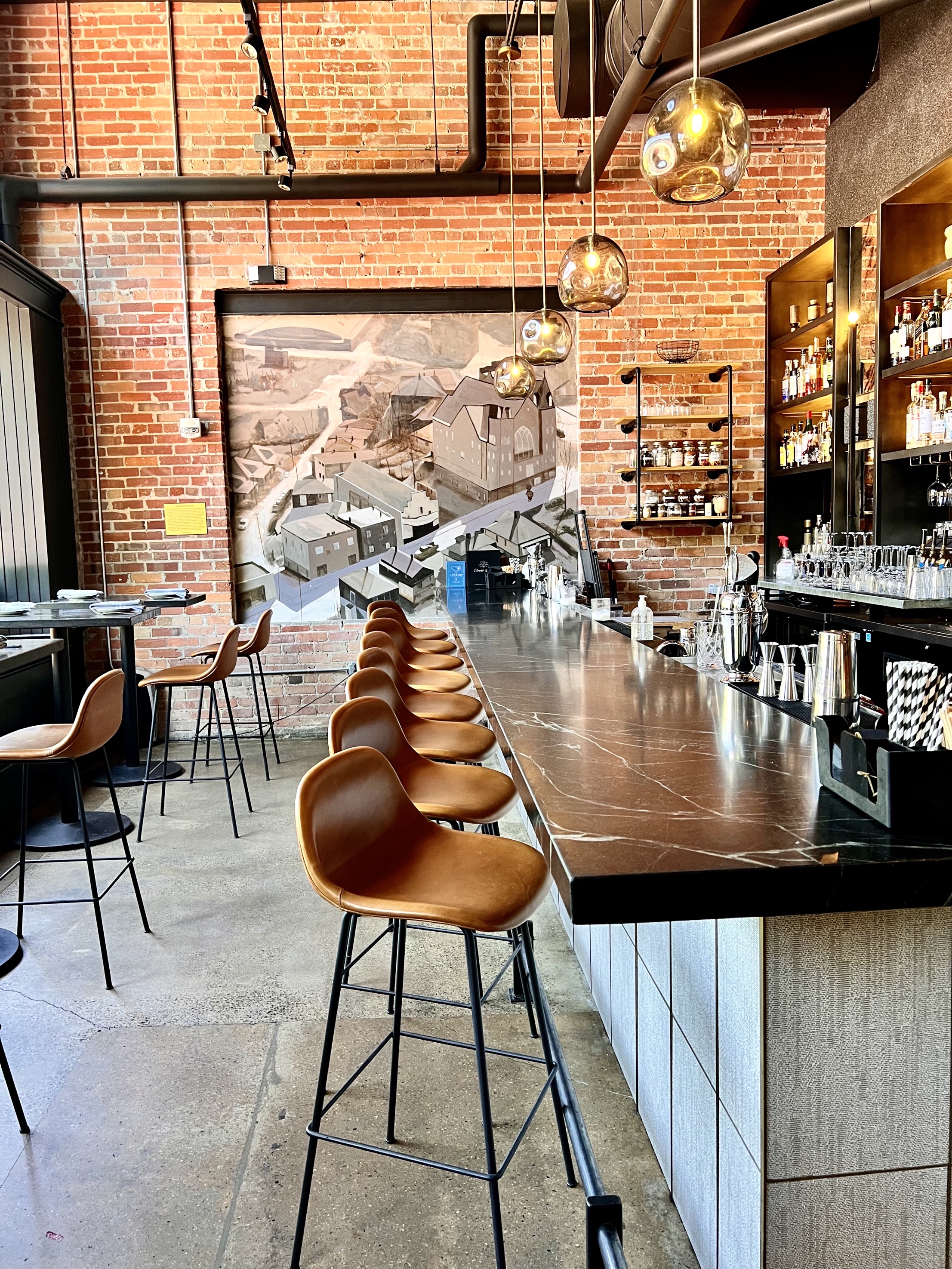
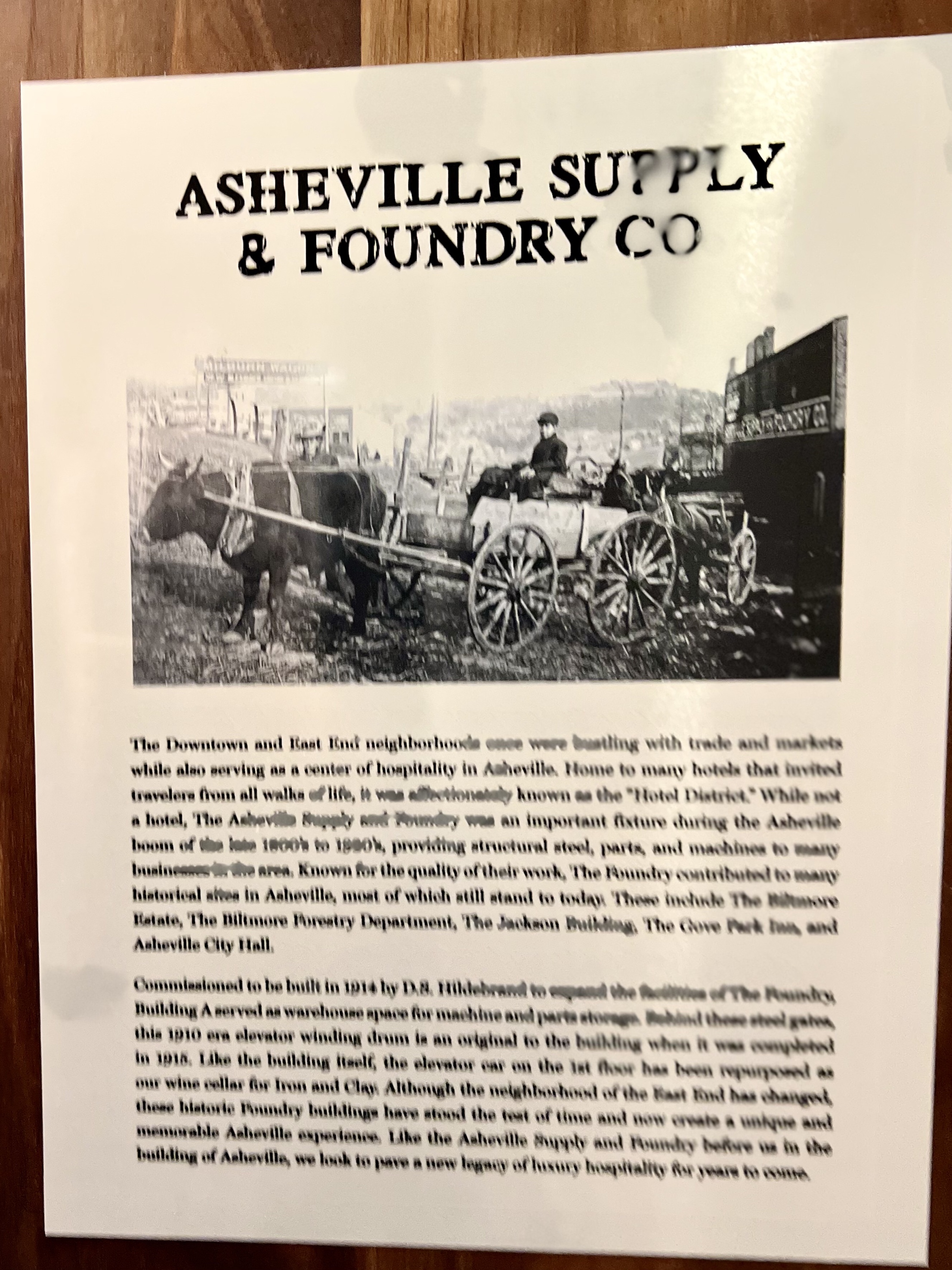
Then we circled the block trying to find the entrance to the Foundry, a luxury hotel, of which Benne is a part. We went down an alley and there is was, three or four large brick buildings around a wide landscaped patio. The buildings were from the time that the Block was black owned and operated. But now the Foundry, which used to make metal work used in the Biltmore Estate, the Grove Park Inn and other Asheville grand buildings, is the name of a Hilton Curio Collection hotel. Curio Collection is Hilton’s name for restored heritage buildings renovated into luxury hotels. Rooms are sometimes $200 on weekdays, but $600 and up on this Memorial Day weekend. Inside there are beautiful lounges and a bar as well as restored remnants, an elevator and wooden steps, of the old Foundry.

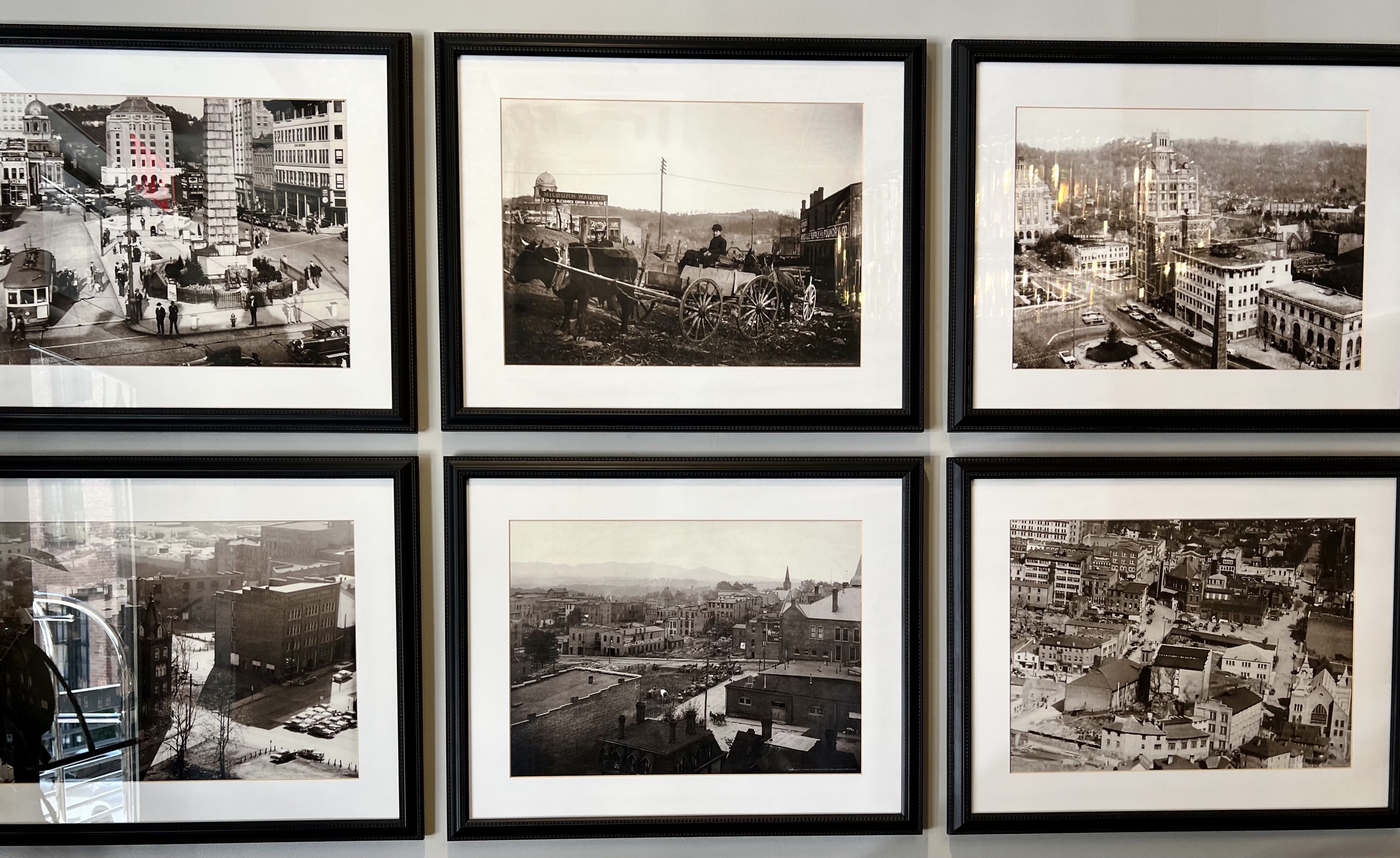

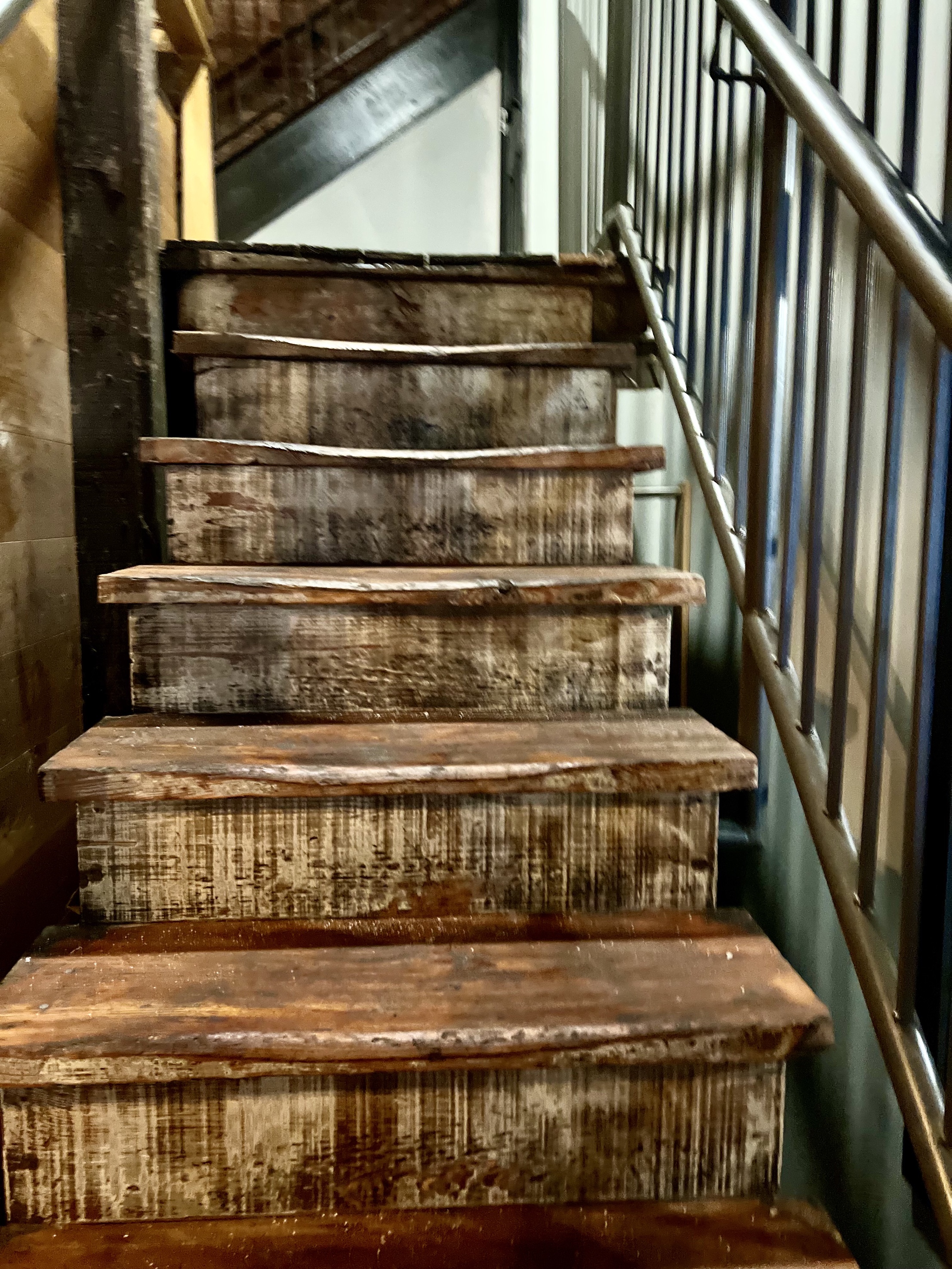
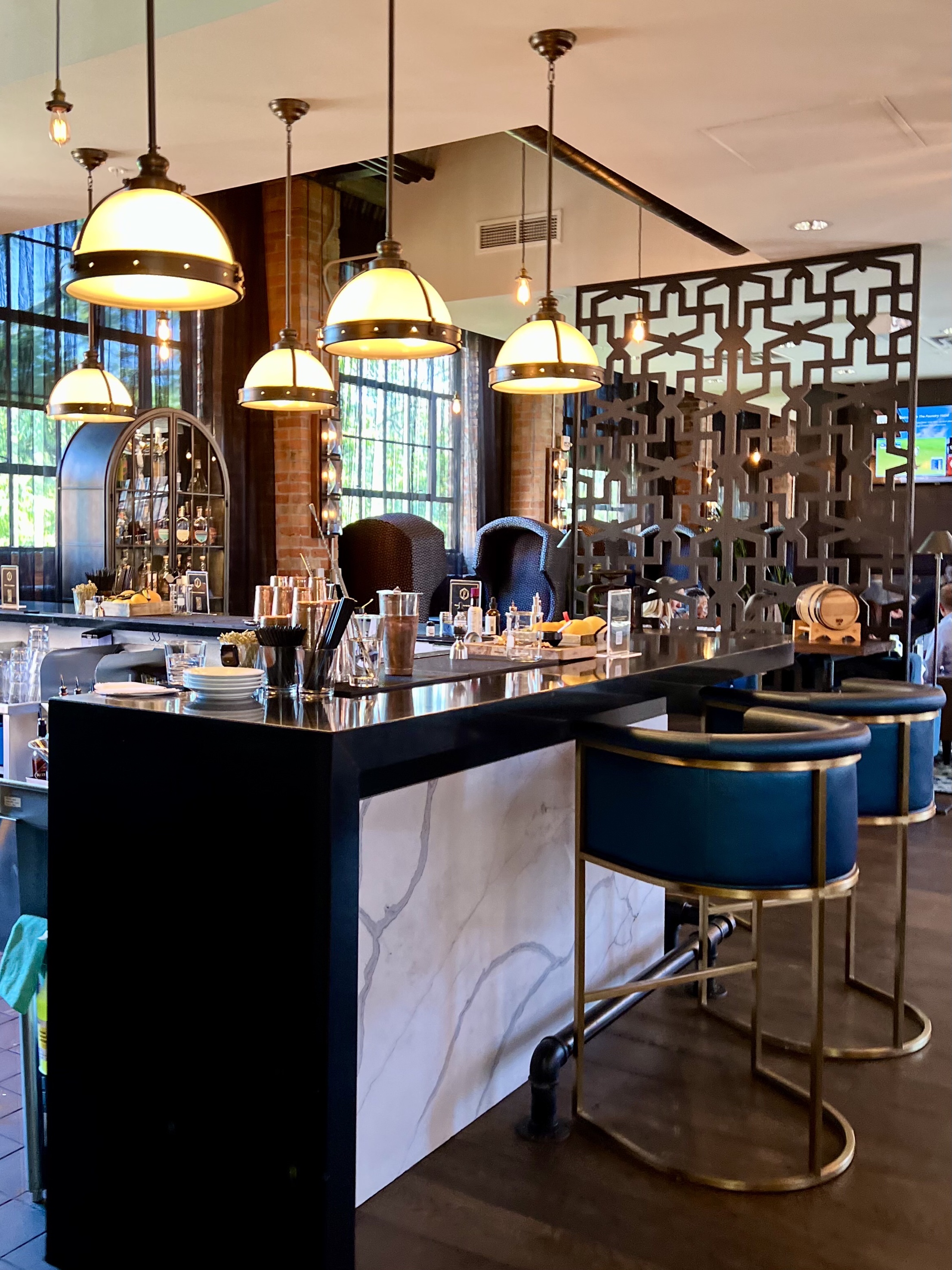

We continued to explore and in the YMI, Young Men’s Institute, next door we found Noir, an outlet store for Black Entrepreneurs. The YMI was built by George Vanderbilt, the owner of the Biltmore House, “to improve the moral fiber of the black male through education focusing on social, culatural, business and religious life.” But in the end it was finally bought by the Asheville Black community. It had a library, gym and classes and was the center for Black community life along with Mt. Zion Baptist Church on Eagle street. It was surrounded by hundreds of black owned businesses. Today not one of the buildings is owned by a Black person and the area is becoming gentrified.
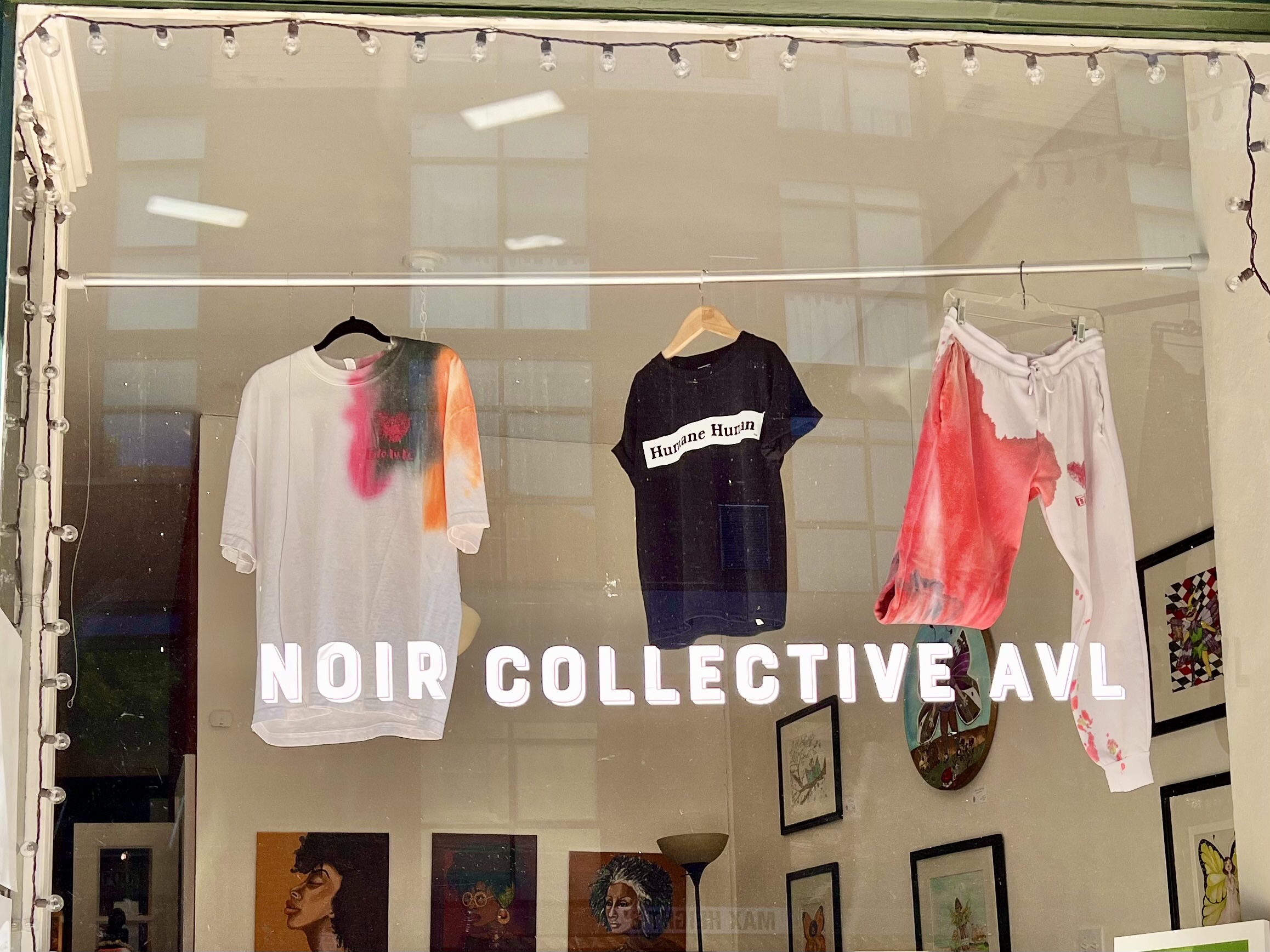
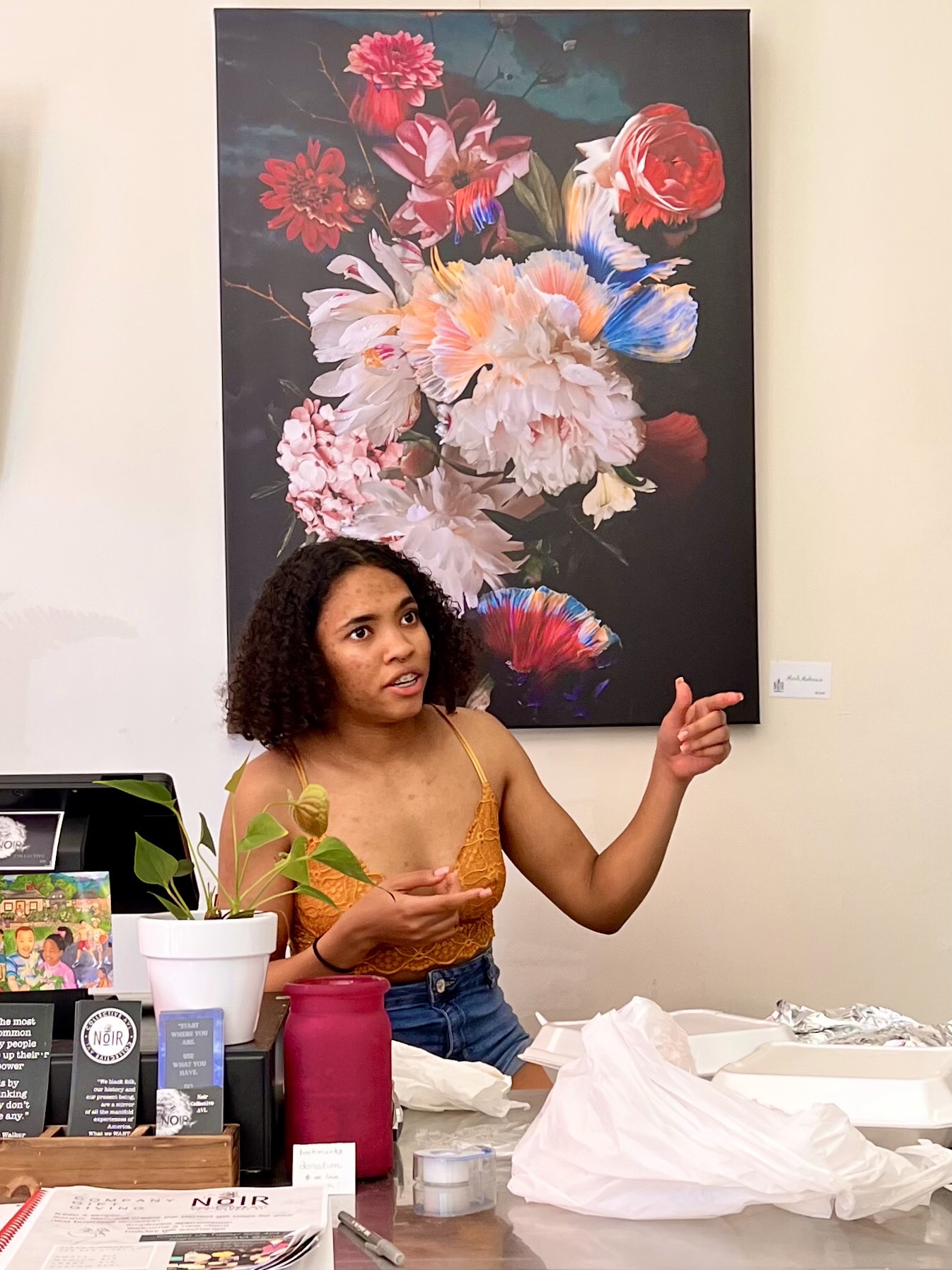
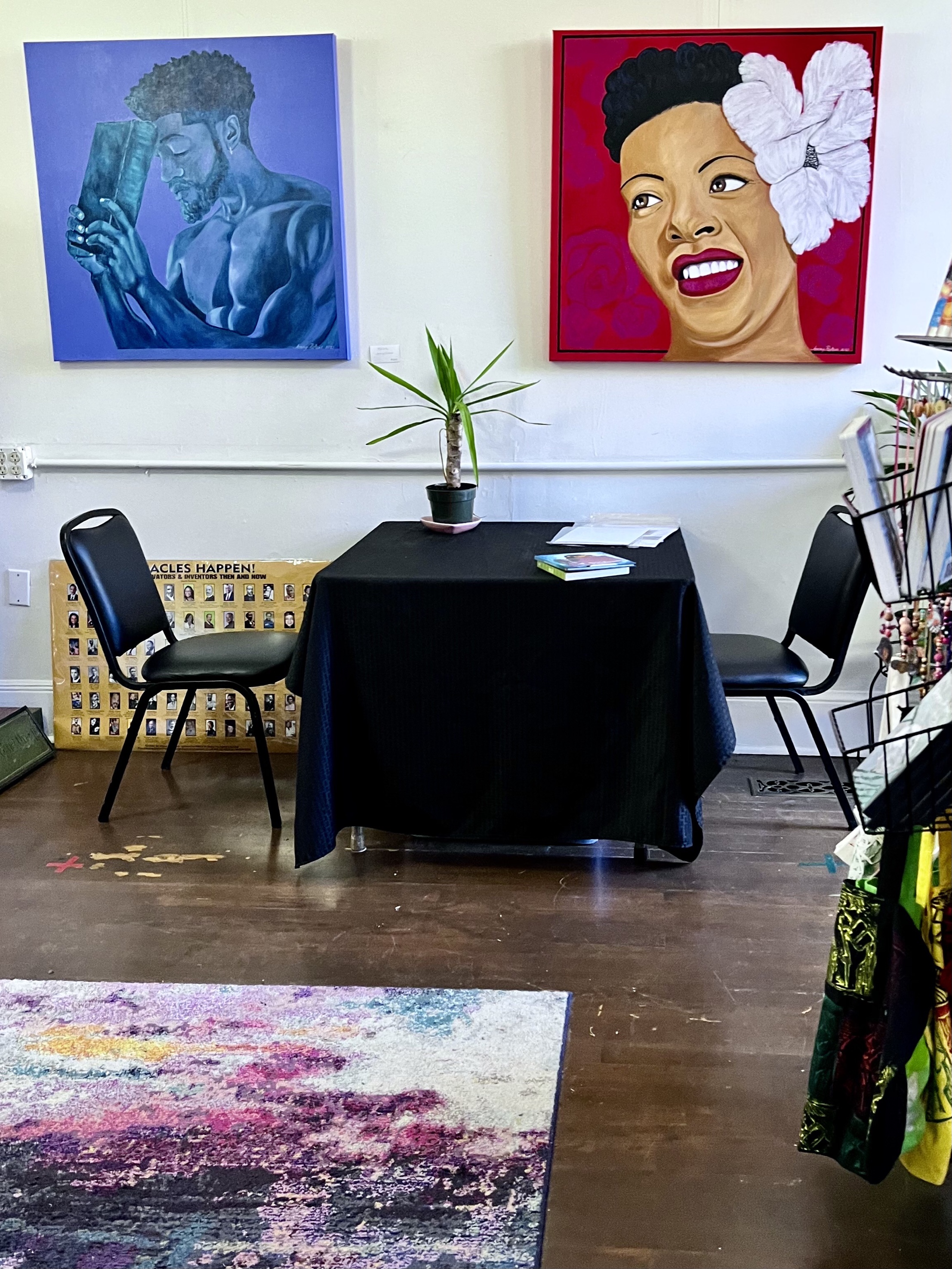
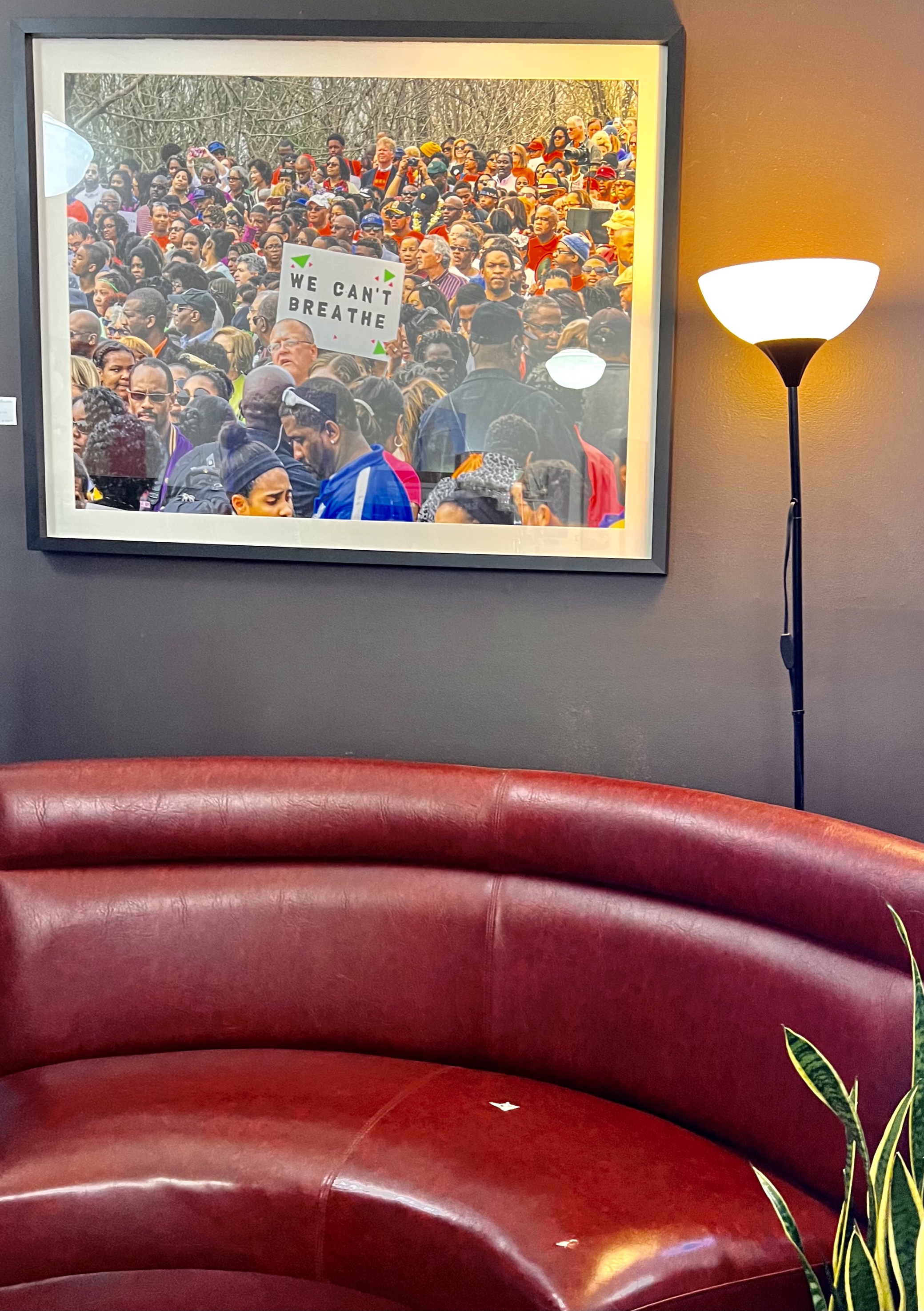
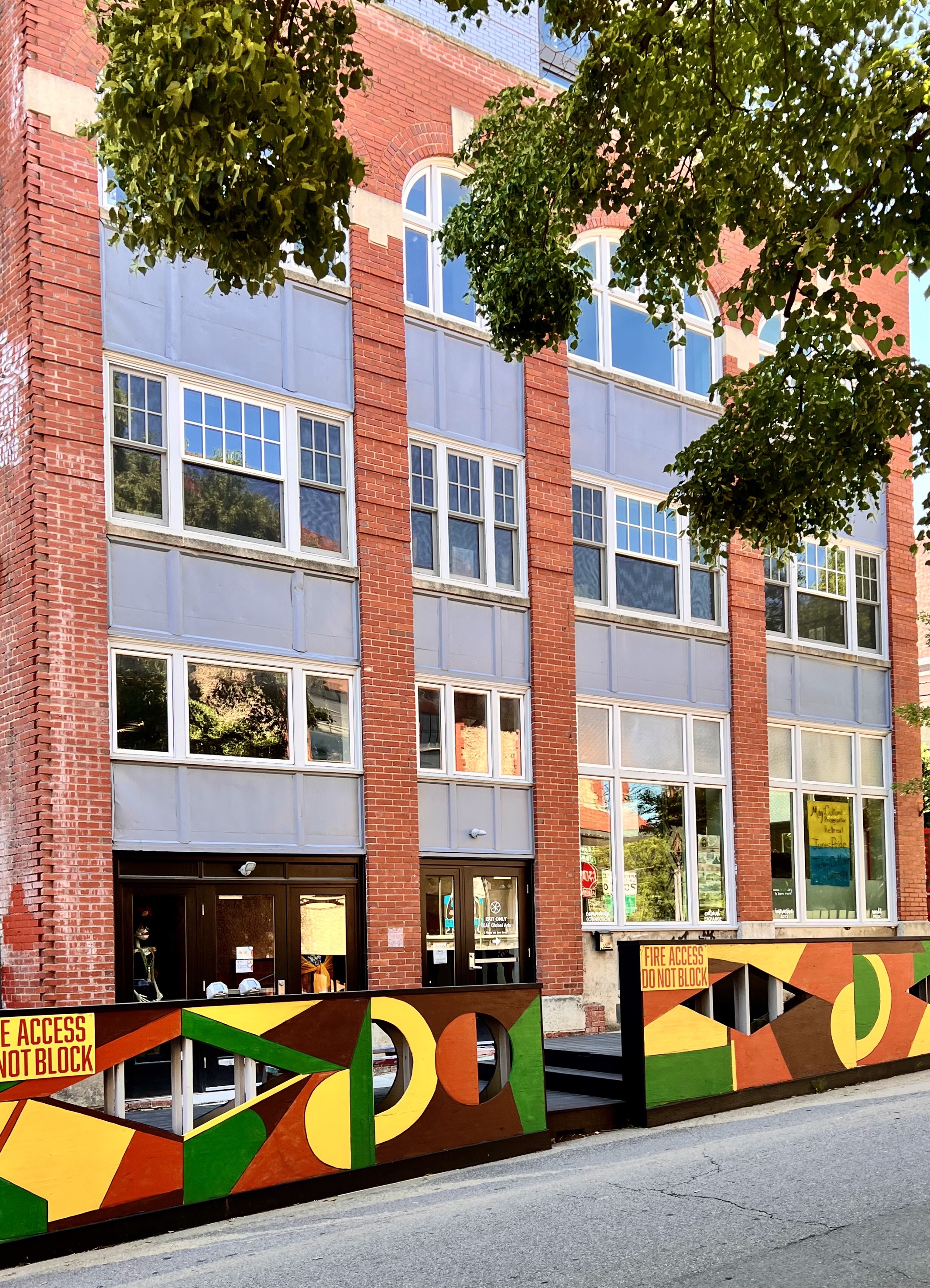
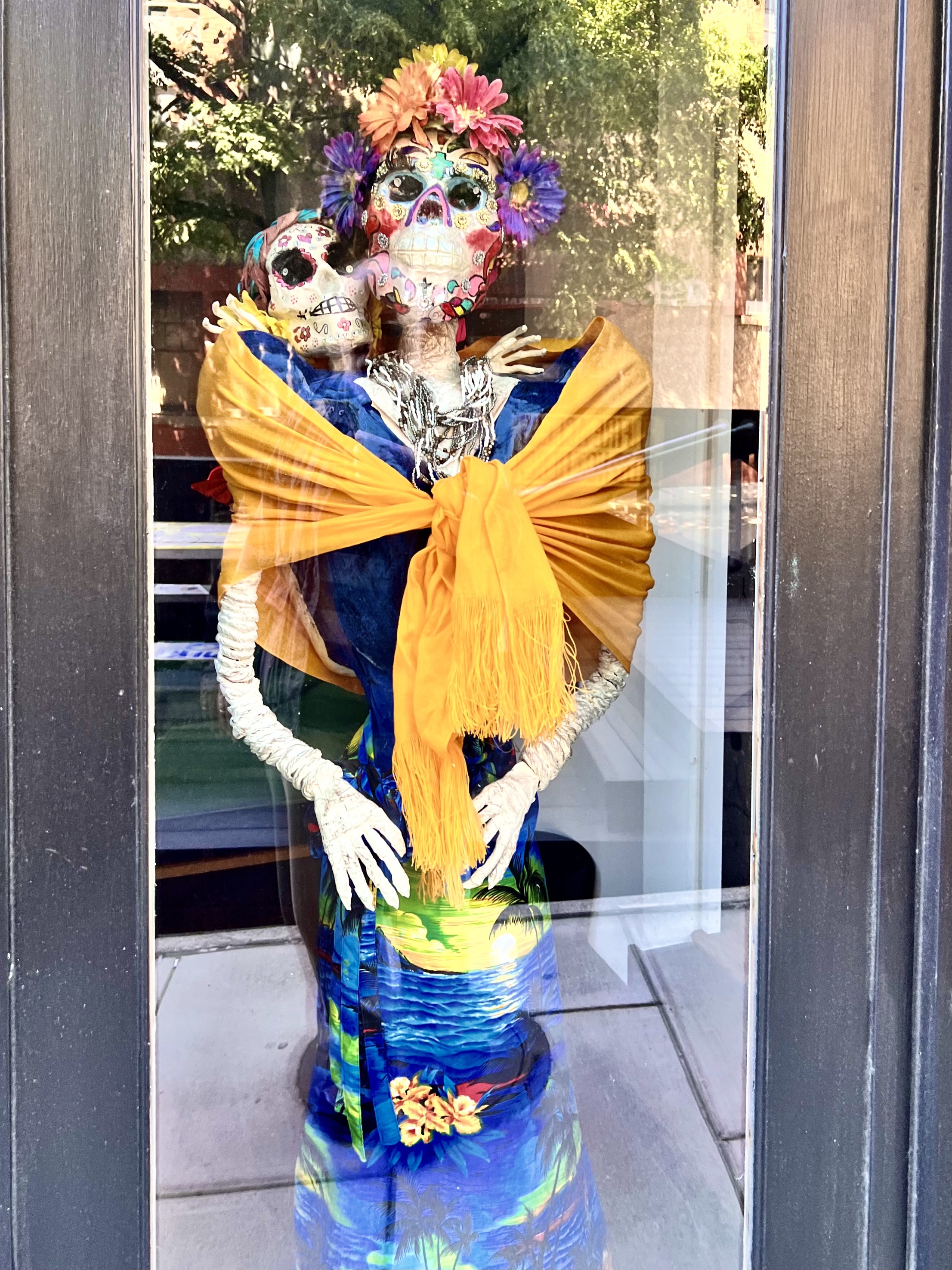
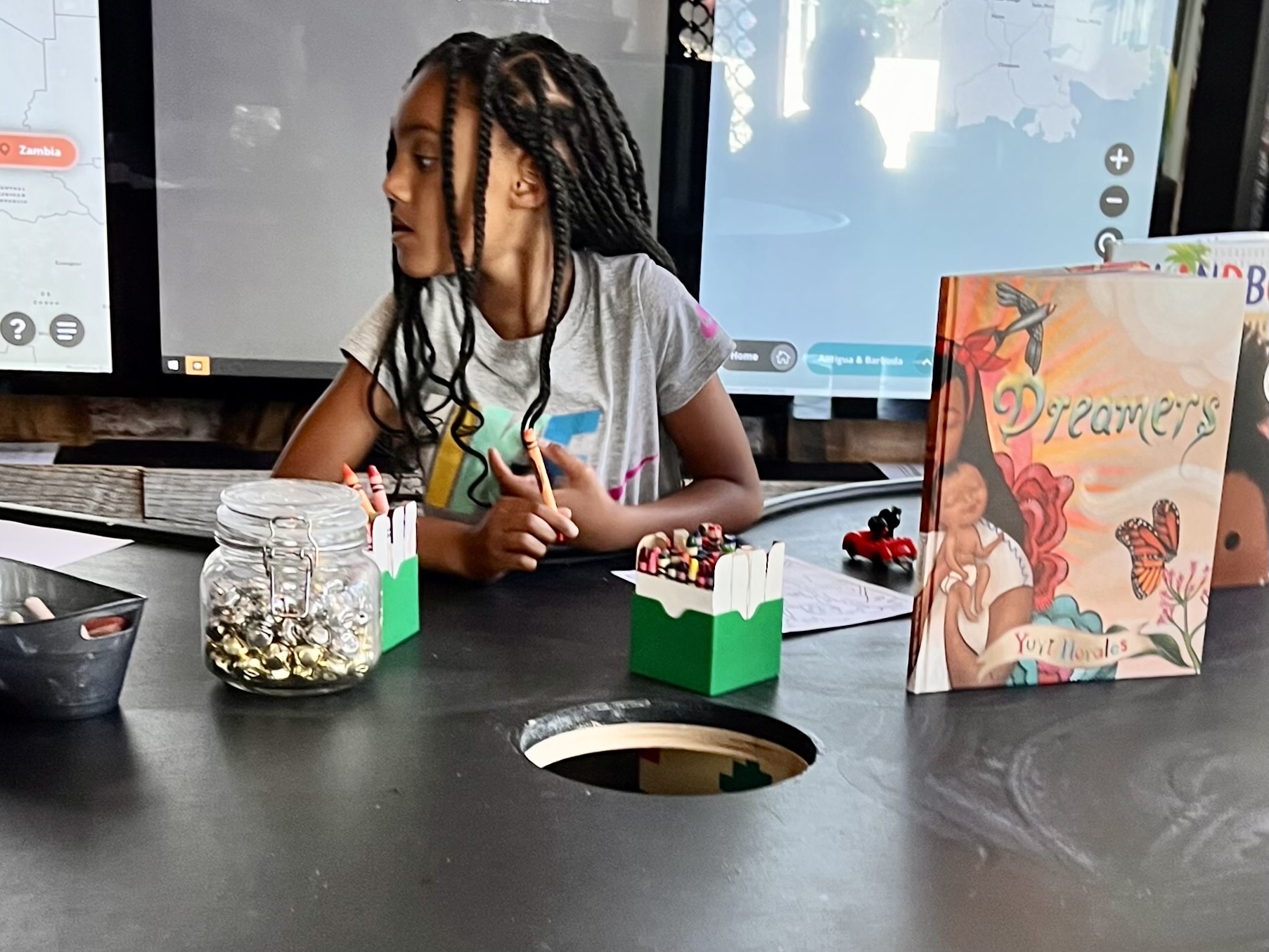
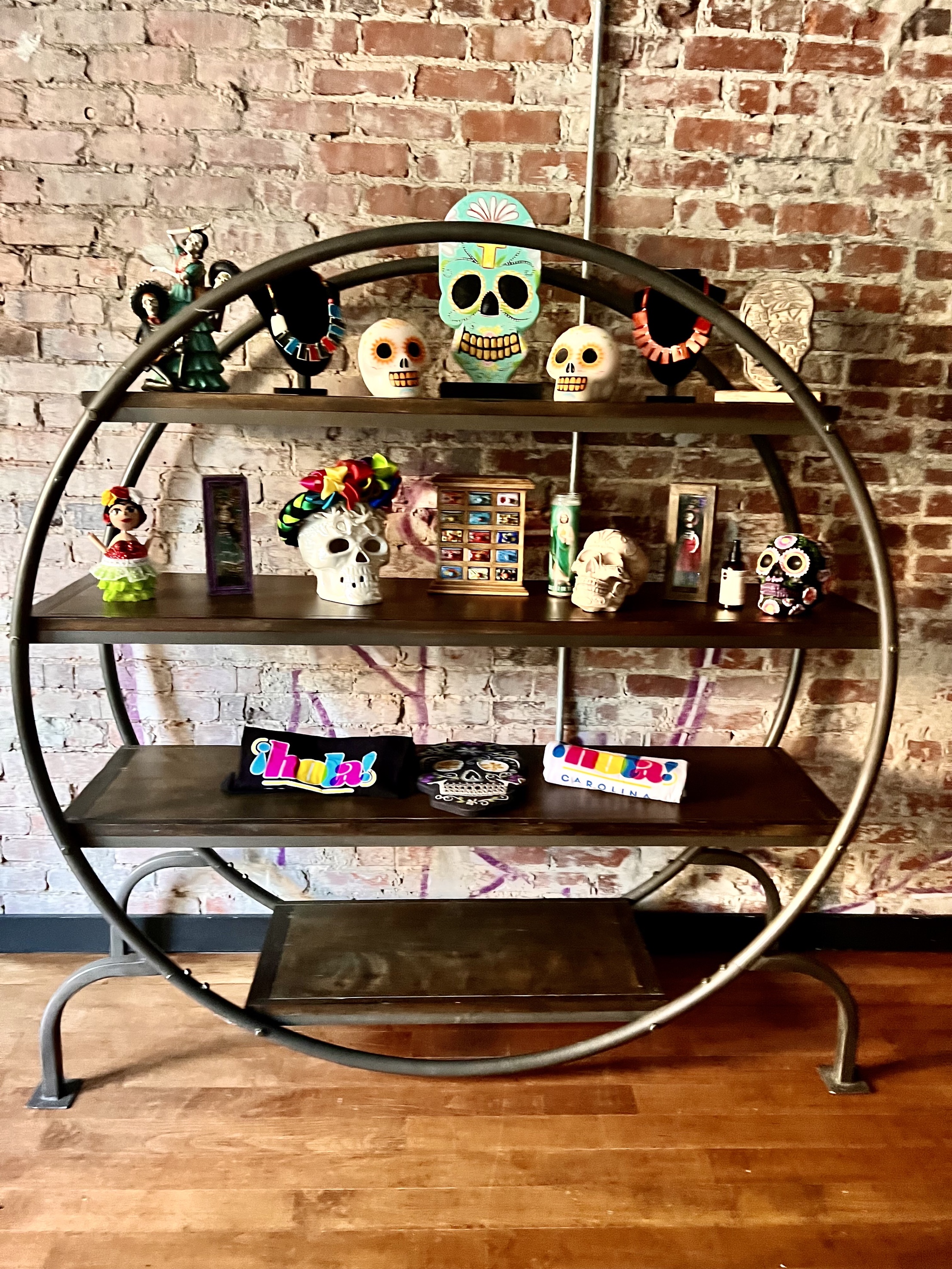
After looking at Noir we went across the street to the beautiful LEAF Global Arts building. This building is an outgrowth of the twice yearly LEAF global festival at Lake Eden, Black Mountain, the site in the 30’s and 40’s of Black Mountain College. This festival brings campers from all over for a weekend festival of international music and dance with tents selling crafts and food from around the world. Now they have an interactive museum on Eagle Street which school children can visit to quicken their interest in other cultures.


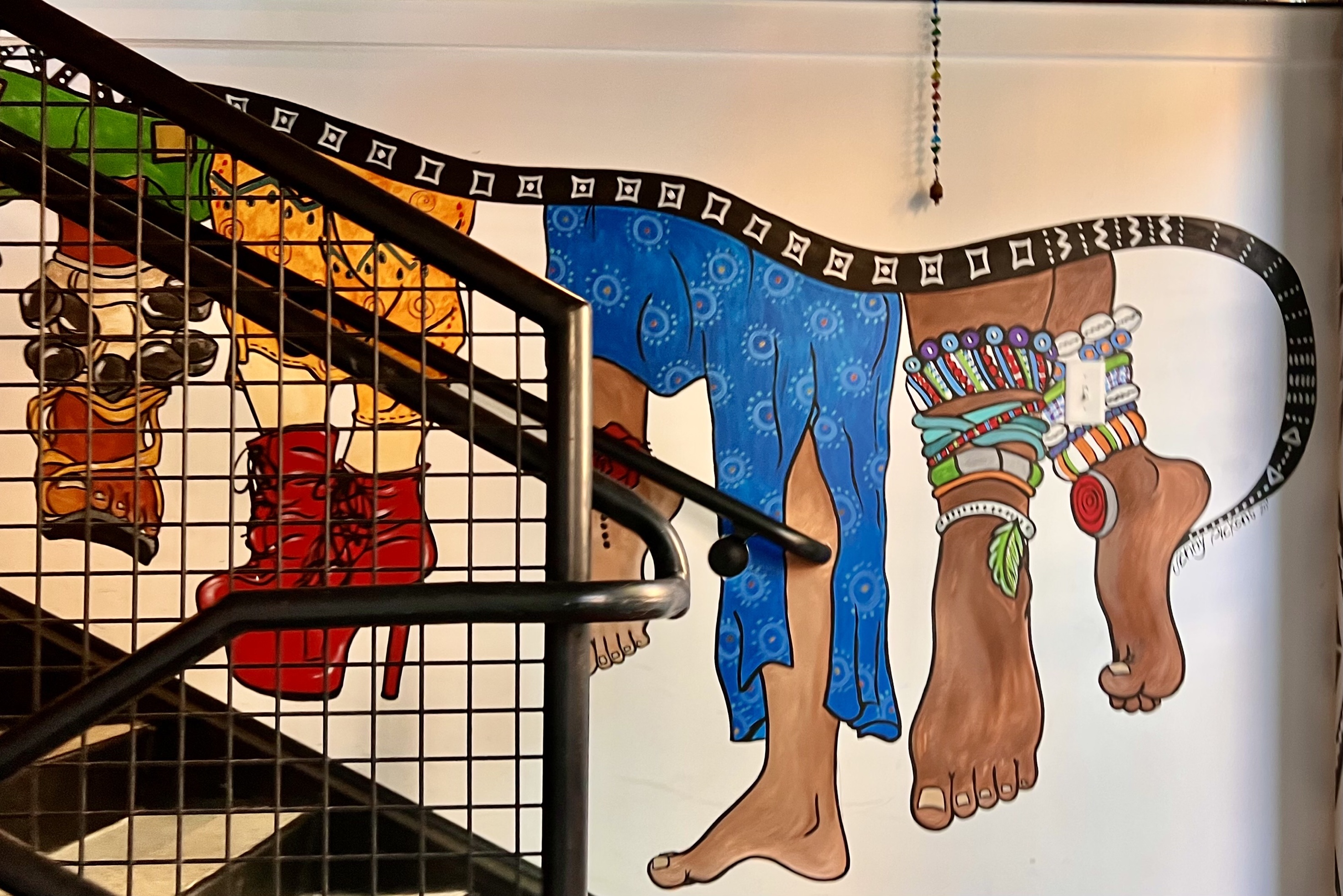
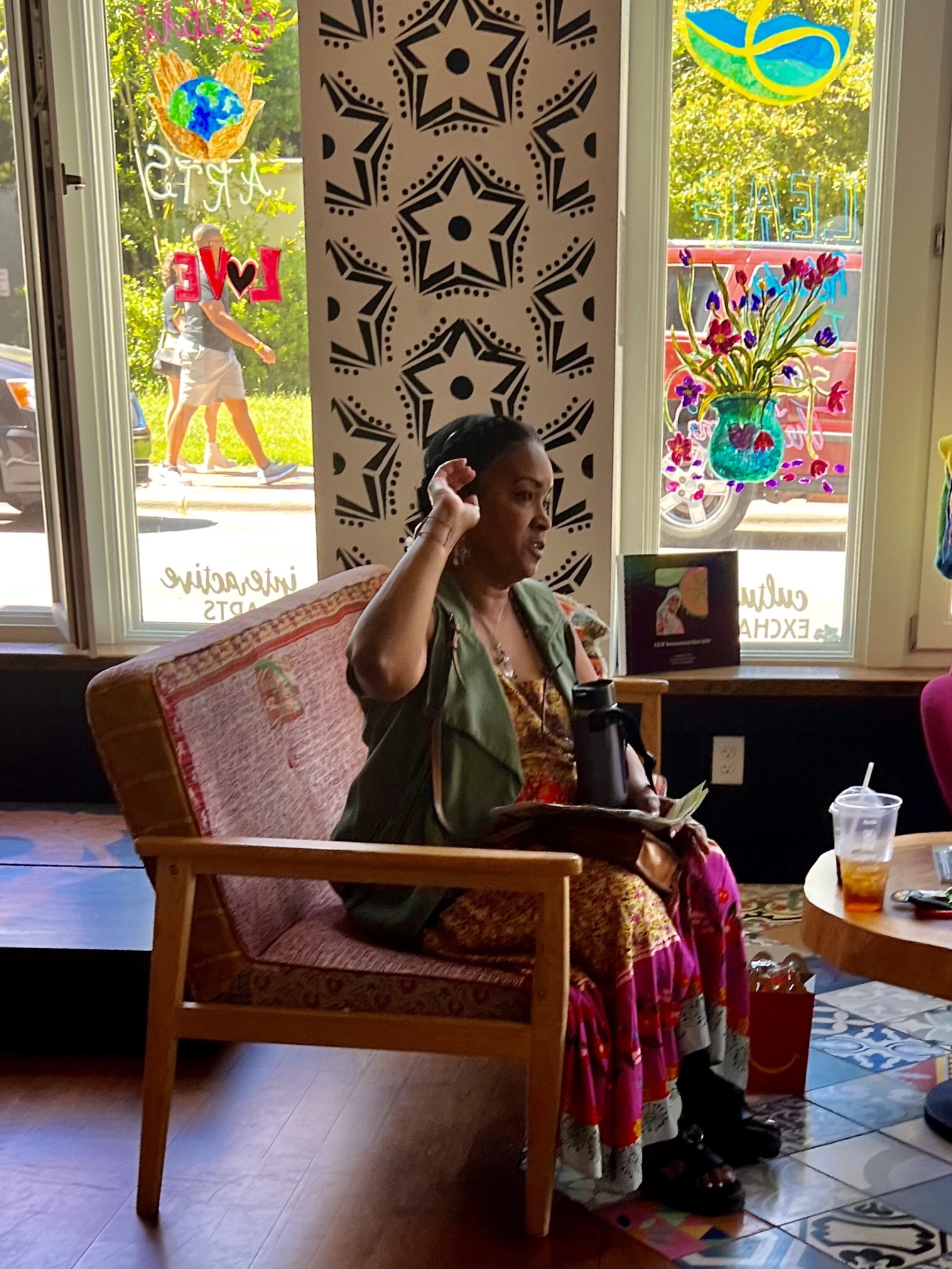

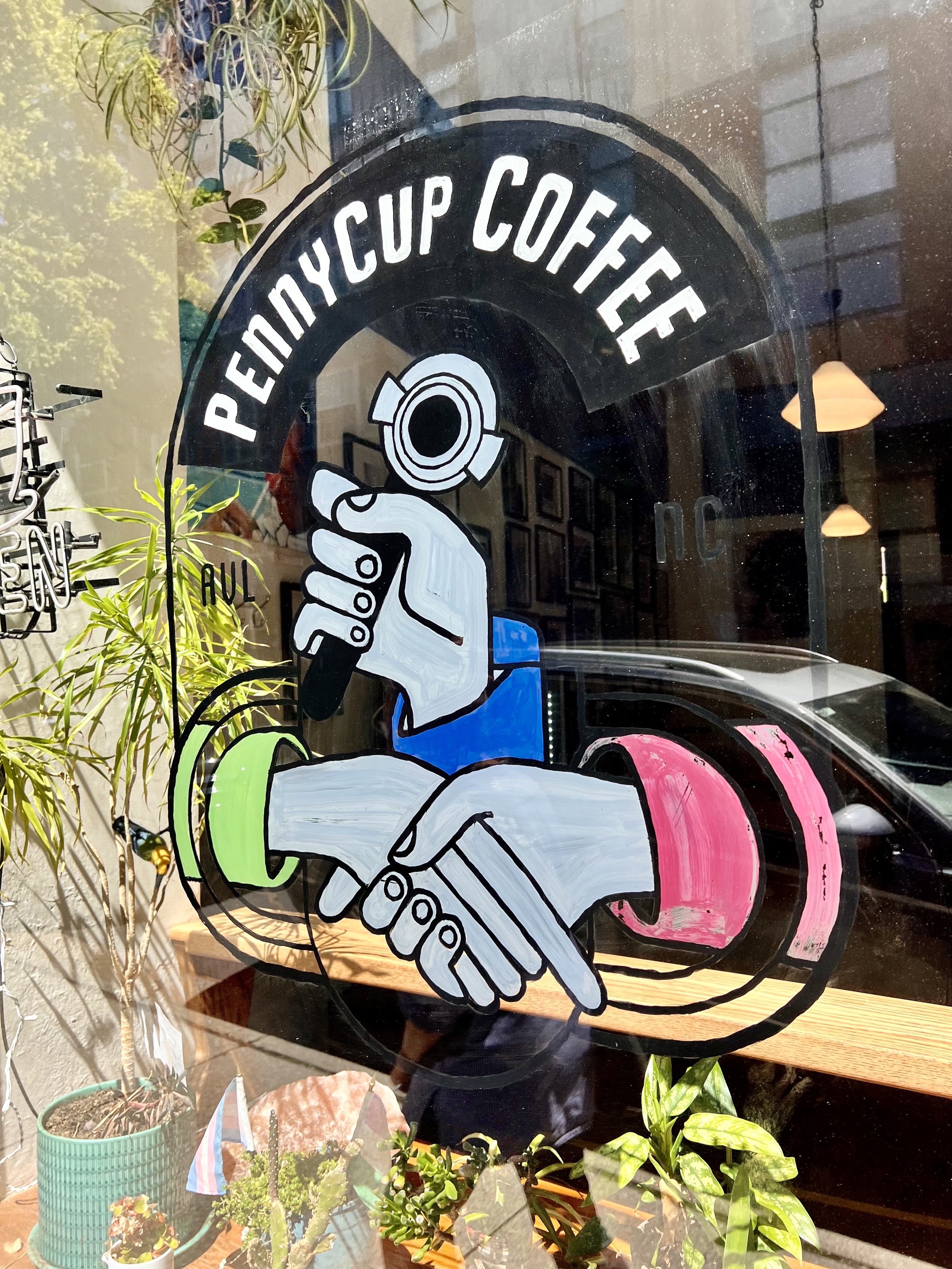
So we left with mixed feelings about the gentrification of The Block with an attempt both by the Foundry boutique hotel and the YMI to preserve the history and traditions of this Black center of Asheville along with the LEAF reaching out to the world.
 BILLYBABA’S WANDERING