
BUNGALOW NUMBER ONE
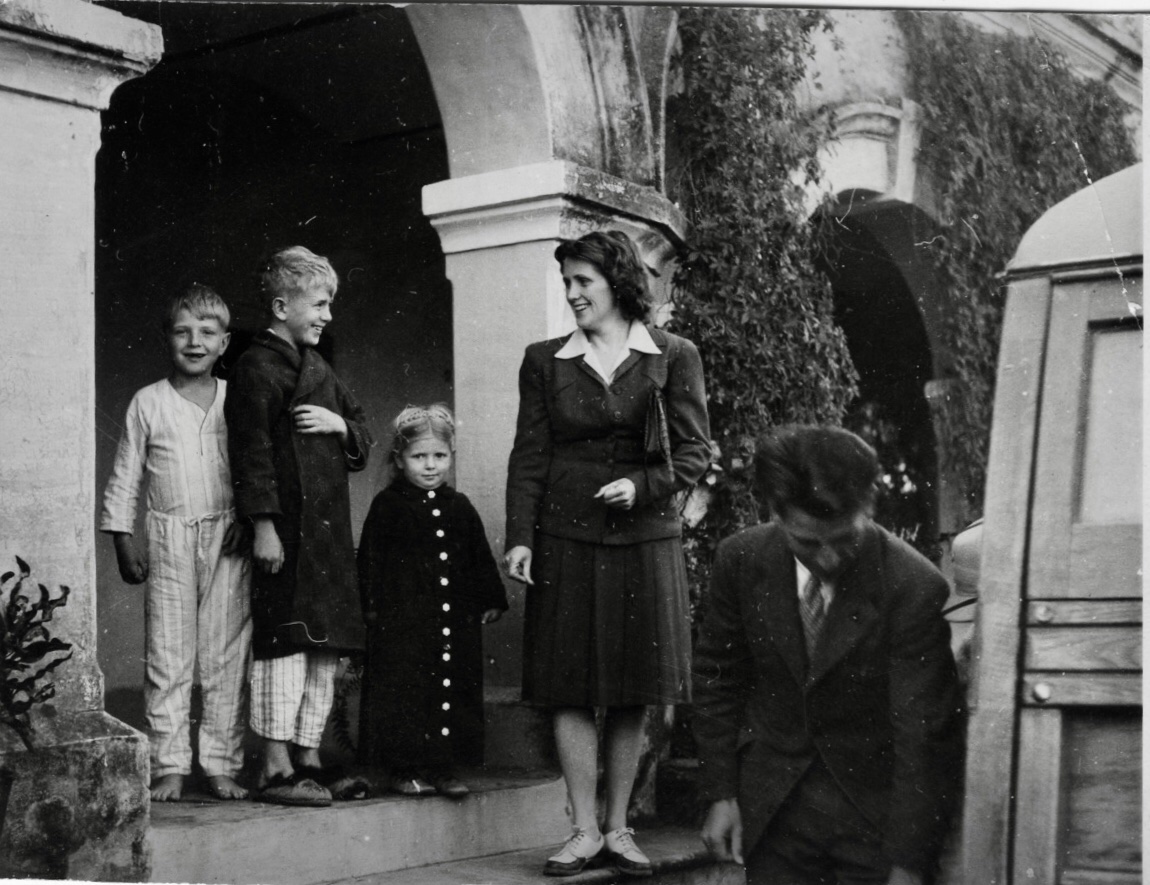
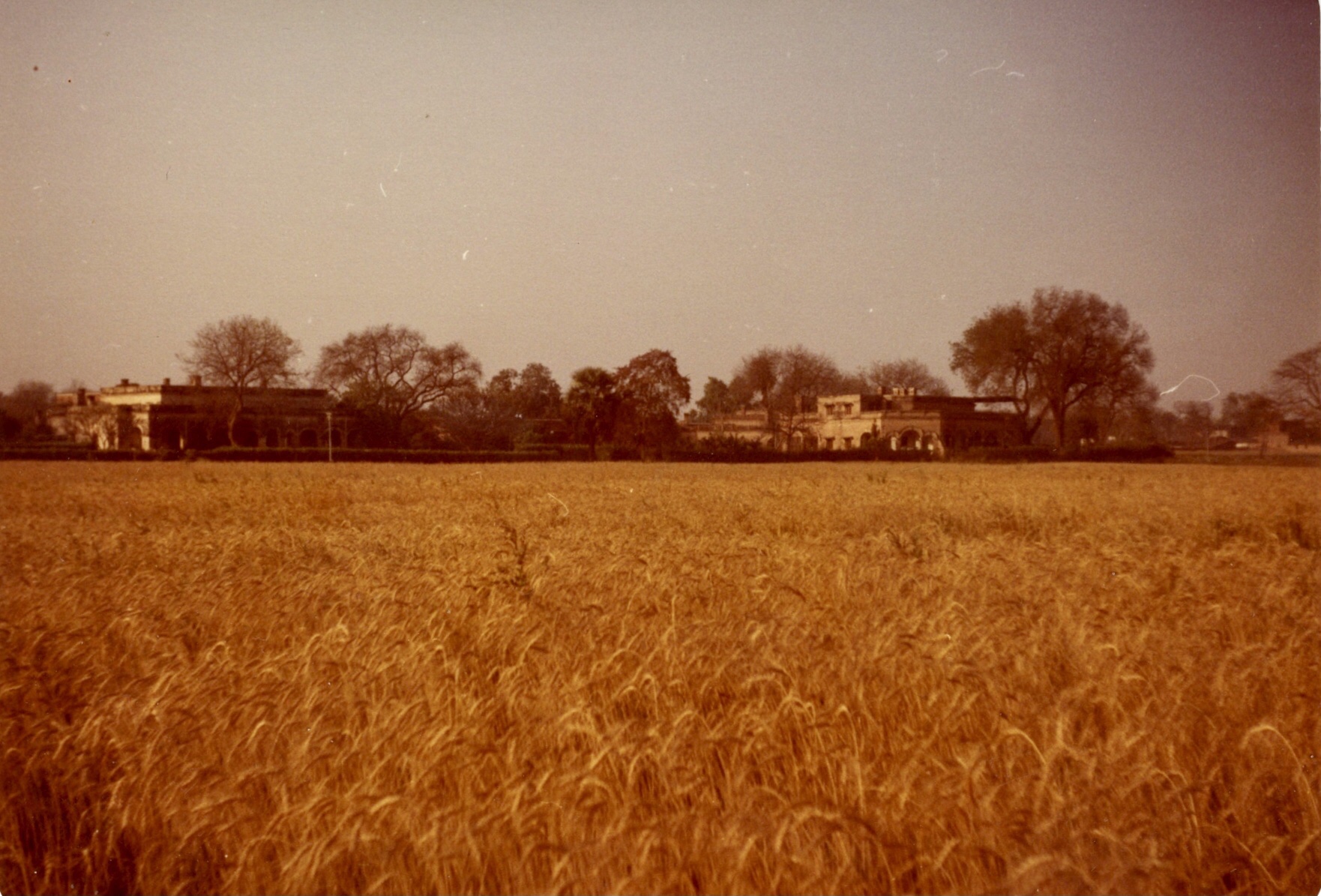
My father was Principal of the Allahabad Agricultural Institute. Our house was bungalow number one of about seven or eight similar bungalows where the American missionary staff lived. It was a large house with a grassy lawn in front and a garden in the back with fruit trees on the side. It had been built in the 1930‘s, at a time when India was very firmly a British colony with no thought that it would ever gain independence. We lived very much the way that the British lived in large houses with very high ceilings and a flat roof. Around two sides of the house was a verandah, a wide porch with columns and curved archways looking out to the garden. I only lived in the house during the winter vacations from Woodstock School when Allahabad was pleasantly warm during the day and cool in the evening. And even though it sometimes got chilly in the winter, the house wasn‘t built to keep a person warm, but to keep it cool. The living room and dining room in the center of the house had twenty foot ceilings with wide fans hanging long poles from the ceiling to keep us cool. But if you looked carefully in each room there were hooks embedded in the ceiling about ten feet apart. These hooks were for the time before the electricity when a punkah was attached to the two hooks. A punkah, I have heard, I never saw one, is a long heavy pole from which a heavy curtain hangs down for three or four feet. In the heat of the day, when it must have been blistering on the room, a person would sit on the roof with a long rope attached to the punkah and pull it up and then let it swing down and back. He would do this all day while the people below would feel enough of a breeze to cool them a little.
By the time we lived in the house there were fans but no air conditioners. In the hottest and driest season before the monsoon came in late June my father had rigged up a mesh wall with water dripping through it and with a fan behind it, a desert cooler that lowered the temperature enough to keep his office cool.
On each side of these two central rooms were a room off of each room. Two were where my brother and I slept during the winter vacation and were guest rooms the rest of the year, and my parents bedroom and a room that was my father‘s office. The ceilings of these rooms were lower, maybe 15 feet. There was a bathroom off of each room. And at the rear of the house was a corridor from the dining room past a store room to the kitchen, where Madho, our cook, prepared our meals. And we must have had a bearer who would bring the food from the kitchen to serve us, offering the food over our left shoulder. The bearer would wear a white uniform with a wide belt or cummerbund and a turban on his head.
The cooks job was a full time job. The kitchen was primitive with no refrigerator. Instead there was a wire screened low three foot by three foot couple of shelves called a doolie where food could be briefly stored. The concrete stove used coal to heat the food. There was also a large concrete sink often rimmed with grease and hard to keep clean. Because we had no refrigerator Madho had to shop daily for fresh produce. There were no grocery stores in Allahabad. He would have to go from Market to market bargaining for vegetables artfully displayed on vegetable stands, meat hanging from hooks in front of the butcher shop, often spotted with flies, and bread from some other shop. Madho would be gone on his bicycle in the morning for several hours and when he returned would account for all his expenses with my mother who always suspected him of siphoning off his share of the money since she didn‘t visit the bazaar and had only a vague idea of what things cost
Madho was not a particularly good cook. He could cook Western food such as meat and potatoes and vegetables, without a sense of what the food should taste like. He could cook decent Indian food which we had about half the time. Curry, rice, chappaties.
I remember my brother and I raiding the doolie at some point where there were some pasty pink squares that had an odd flavor. We wondered afterward whether they were actual pastries or were, instead, some form of rat poison. But we felt no ill effects so they must have been pastry. I think Madho had a number of children, ten sticks in my mind, but where he lived or what the children or his wife looked like I was never curious enough to discover. I think Madho was paid about $50 a month, which my mother thought was more than generous.
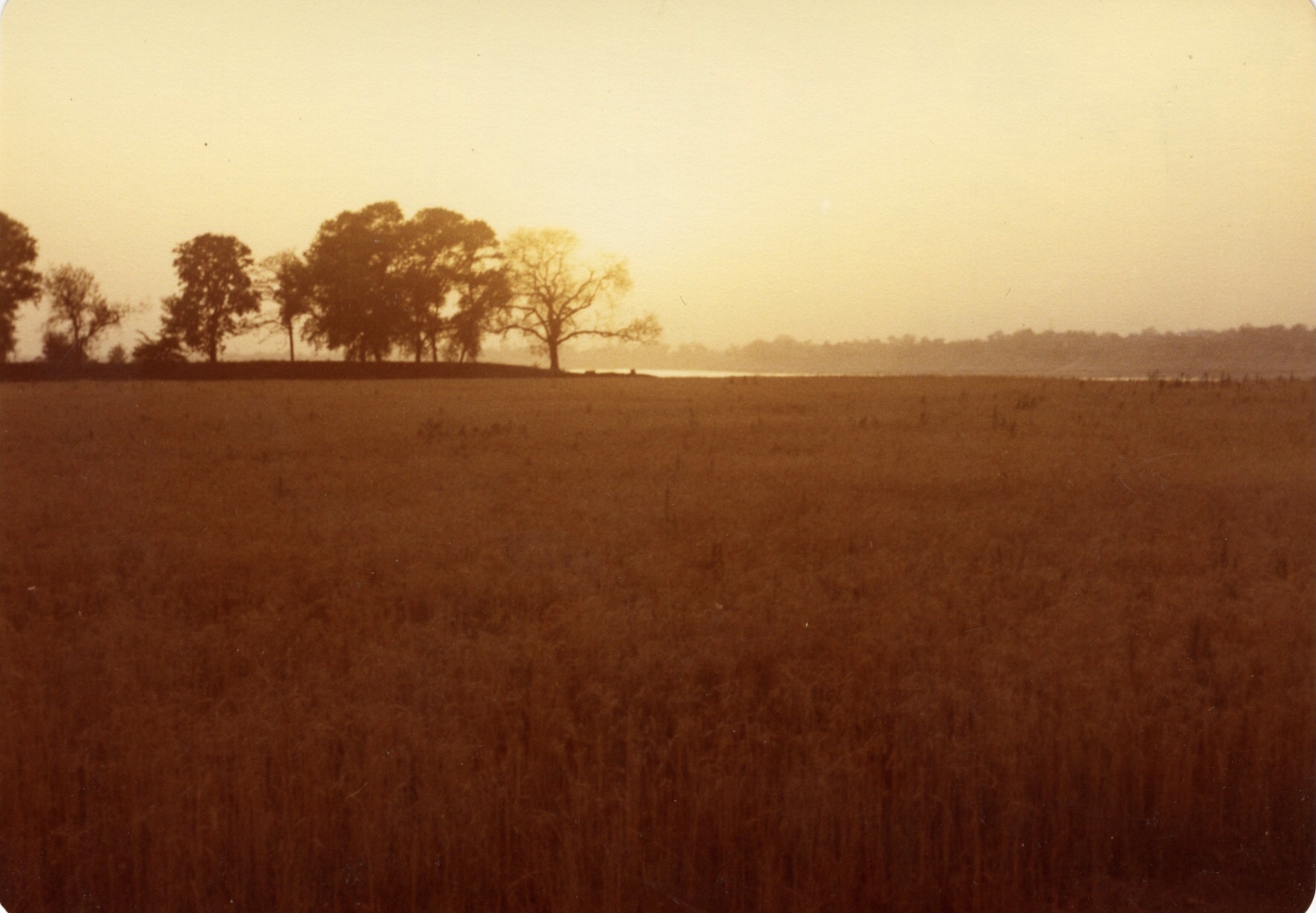
When missionaries traveled on missionary business in those days they did not stay at hotels. In fact in my childhood in India I don‘t remember ever staying in a hotel. We stayed at the home of the American missionary in that town. And we had lots of visitors who stayed with us when they were in Allahabad. It was no work for my mother who would tell the cook to set another place or two at the large table and one of the servants to make up beds for the visitors. I think when visiting we paid the host a small amount to cover costs. We would also notice the quality of the food. When missionaries went on their year long furlough back home every seven years their servants would be released and their would be an effort in this process for all of the memsahibs (lady sahibs) to secure the services of the best cooks, a task my mother failed at so we were left with Madho.
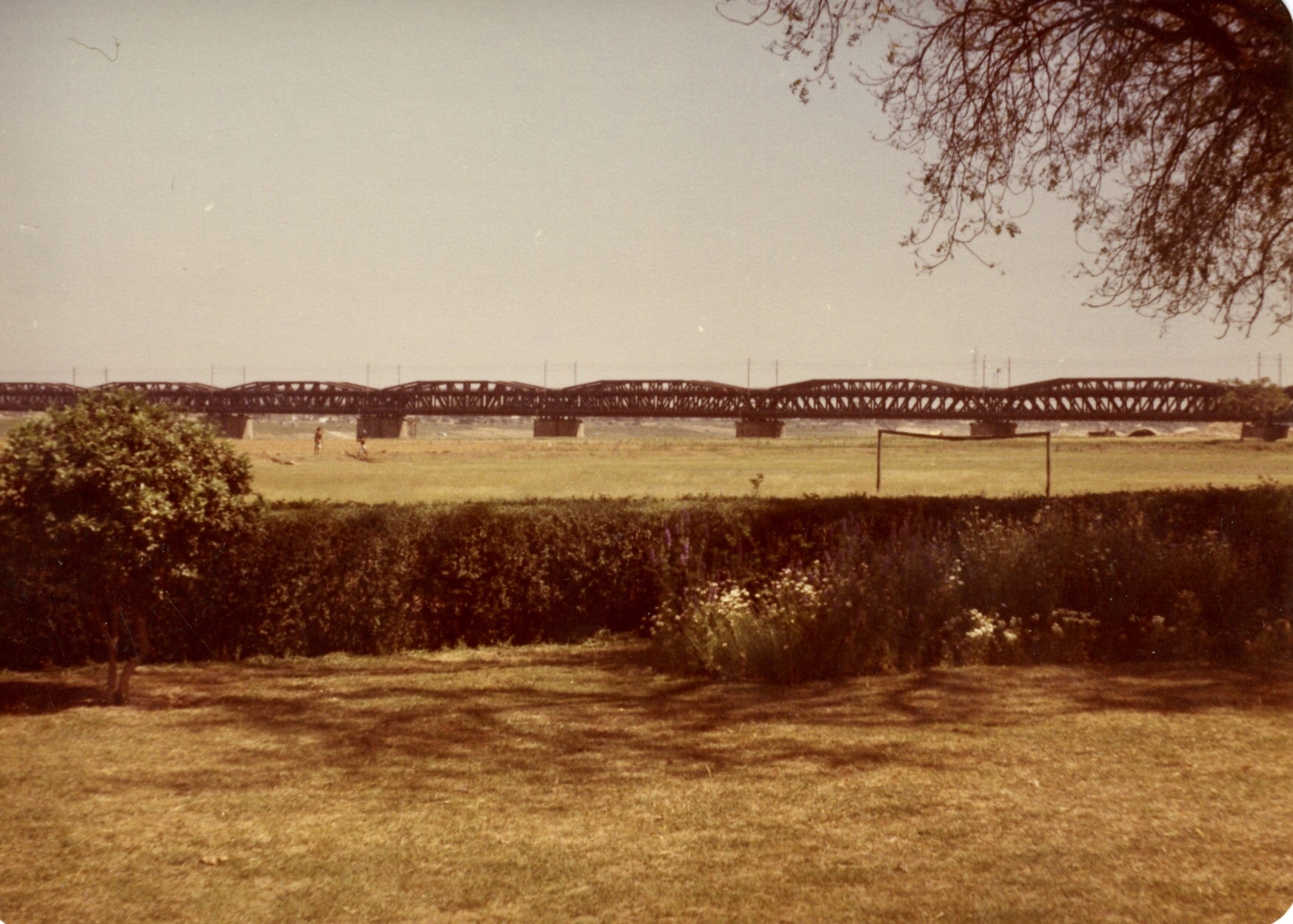
In addition to Madho the cook and the bearer, whose name I don‘t remember, we had a sweeper, often a girl, whose job it was to sweep the floor, a low caste occupation that other servants wouldn‘t do. In the yard we had a mali (gardener) who cut the grass and tended the garden in the back of the house, and when were were small each child had an ayah (a nanny or nursemaid). When I was very small I could speak Hindi with my ayah but later after spending time in the United States forgot it all. Once a week the dobhi would come to take the dirty clothes and bring them back fresh and ironed the next week. In the neighboring village we could see the stone slabs by the Jumna on which the dhobi beat our closes clean, forcing the soapy water through the clothing. Then they were laid on the dry muddy bank to dry and later brushed off with no sign of dirt. When the dobhi came my mother and he would go through the checklist they had made the week before when the clothes were taken away and make a new checklist for the next week. It was a laborious task which my mother resented. She didn‘t trust the dobhi, either, in fact she didn‘t trust any of our servants. It was hard being a Memsahib. At some point we had use of a official car and had a driver. And once every couple of weeks a barber would come to our house to cut the hair of me and my brother.
Later it dawned on me that to live in the style and comfort of an American it was necessary to have servants because everything done manually took a great deal of time. By this time Americans had mechanical servants. They shopped quickly in a grocery store, stored a week‘s worth of groceries in a refrigerator, had an electric stove on which it was easy to cook, cleaned the floor with a vacuum cleaner, drove their own cars, had a washing machine and dryer to easily wash clothes, had a lawn mower to cut the grass. But in India to live the same way you need a half dozen servants or more.
 BILLYBABA’S WANDERING