NOT IN SWANNANOA
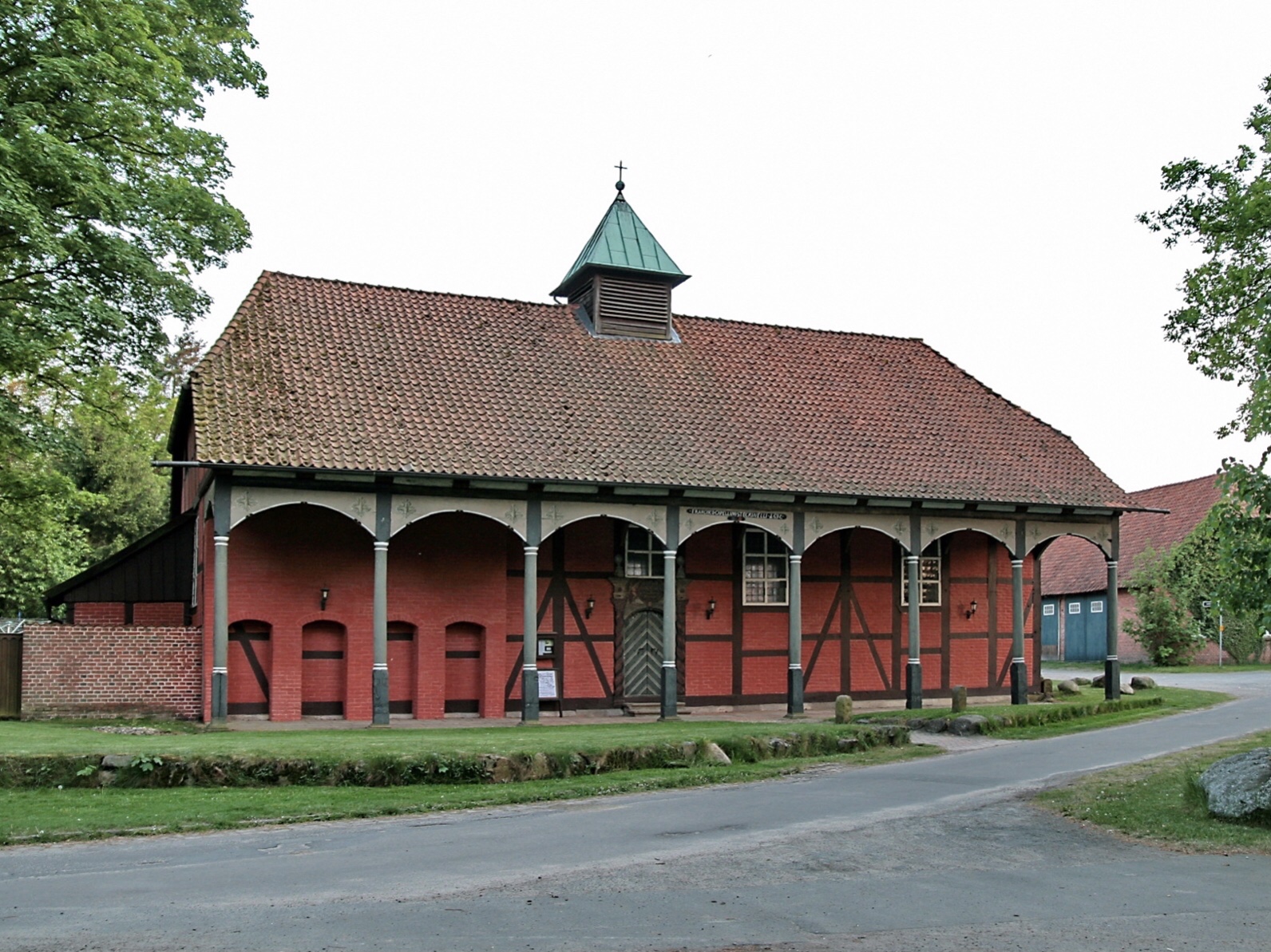
Today was going to be another off day, another NHT day. The only thing scheduled was lunch with Heinrich and Elke in some nearby inn and maybe a brief visit to a little village church with an interesting baptismal font close by Winsen, followed by a nap. The main project was going to be the purchase of Christmas presents Susie needed to buy for family members, a project I was going to beg out of.
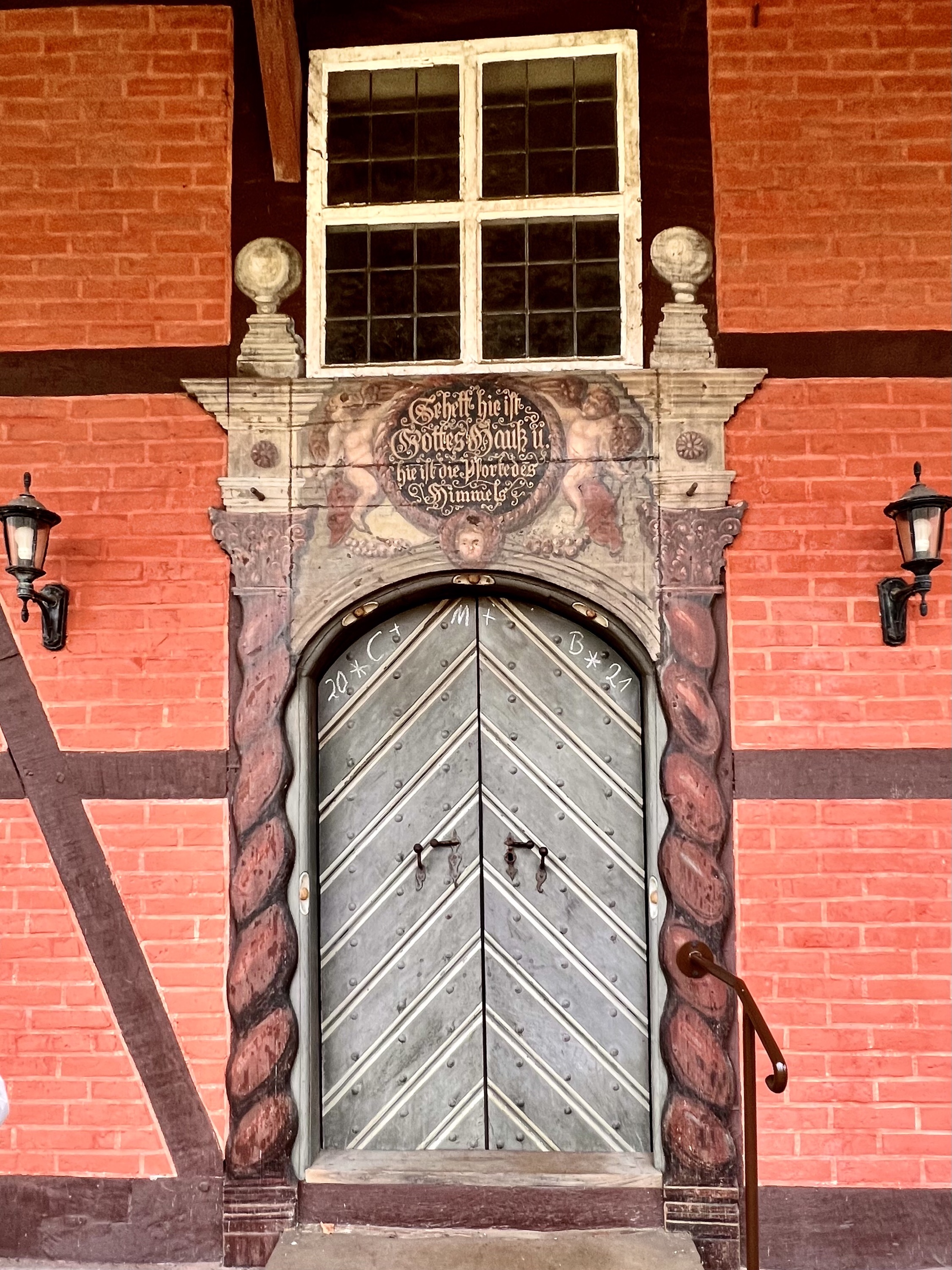

.See, this is God‘s house, This is the gate to heaven.
Today Heinrich and Elke wanted to take us to see the Stechinelli chapel in the little town of Wieckenberg in the district of Wietze. There is a long complicated history of how Francesco Maria Capellini, nicknamed Stechinelli, skinny legs, came to build this chapel which I heard today and is filtered through my poor German. He came from an aristocratic family in Venice, which was visited by the Welfenherzog Georg Willhelm who ruled this area on a visit to Venice. He brought back to Celle the young Stechinelli, who had run away from home to seek his fortune and get rich after the death of his father. He was a very enterprising guy and in the years after he attached himself to the court of the Herzog he became rich through trade and buying and selling houses. He married twice, his first wife dying in childbirth, and had 13 kids, seven boys who were brought up Catholic, Stechinelli‘s Italian religion, and 6 girls, who were brought up Lutheran, his wives‘ religion.

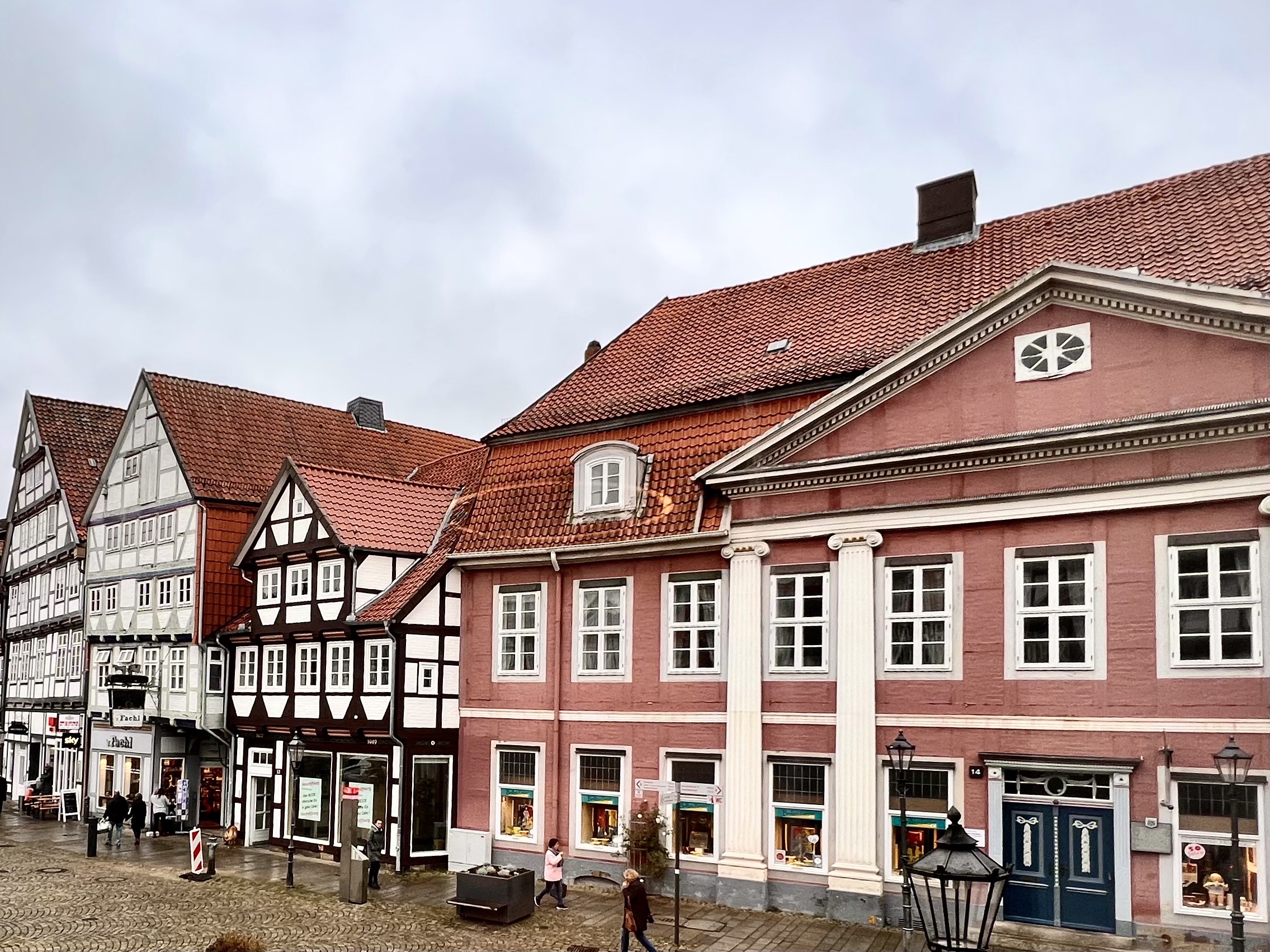
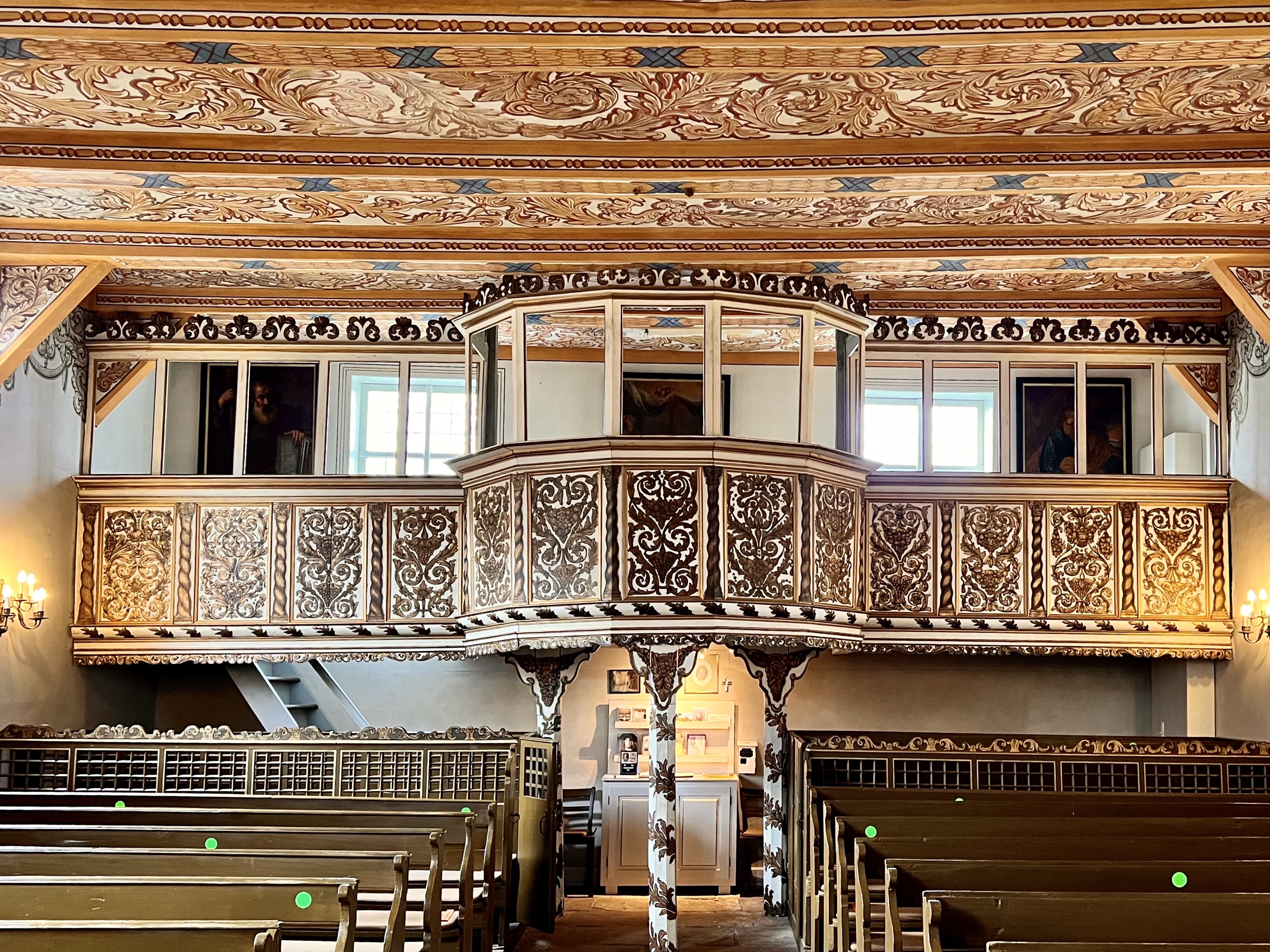
He had several large expensive houses, one the very large pink house on the same square in Celle as Kaffee Kiess and one in Braunshweig as well as a big house and garden in Wietze. He built several churches, but because he was a foreigner and a Catholic he had a lot of local opposition to building a church in Wietze, which didn‘t have a proper church. He was allowed to build it on the condition that he build it to look like a Fachwerk sheep‘s stall, with no Catholic trappings or indication that it was a church. But inside he was allowed to do what he wanted. And what he wanted to do was to build a very elaborate, very beautiful, ornately decorated chapel.
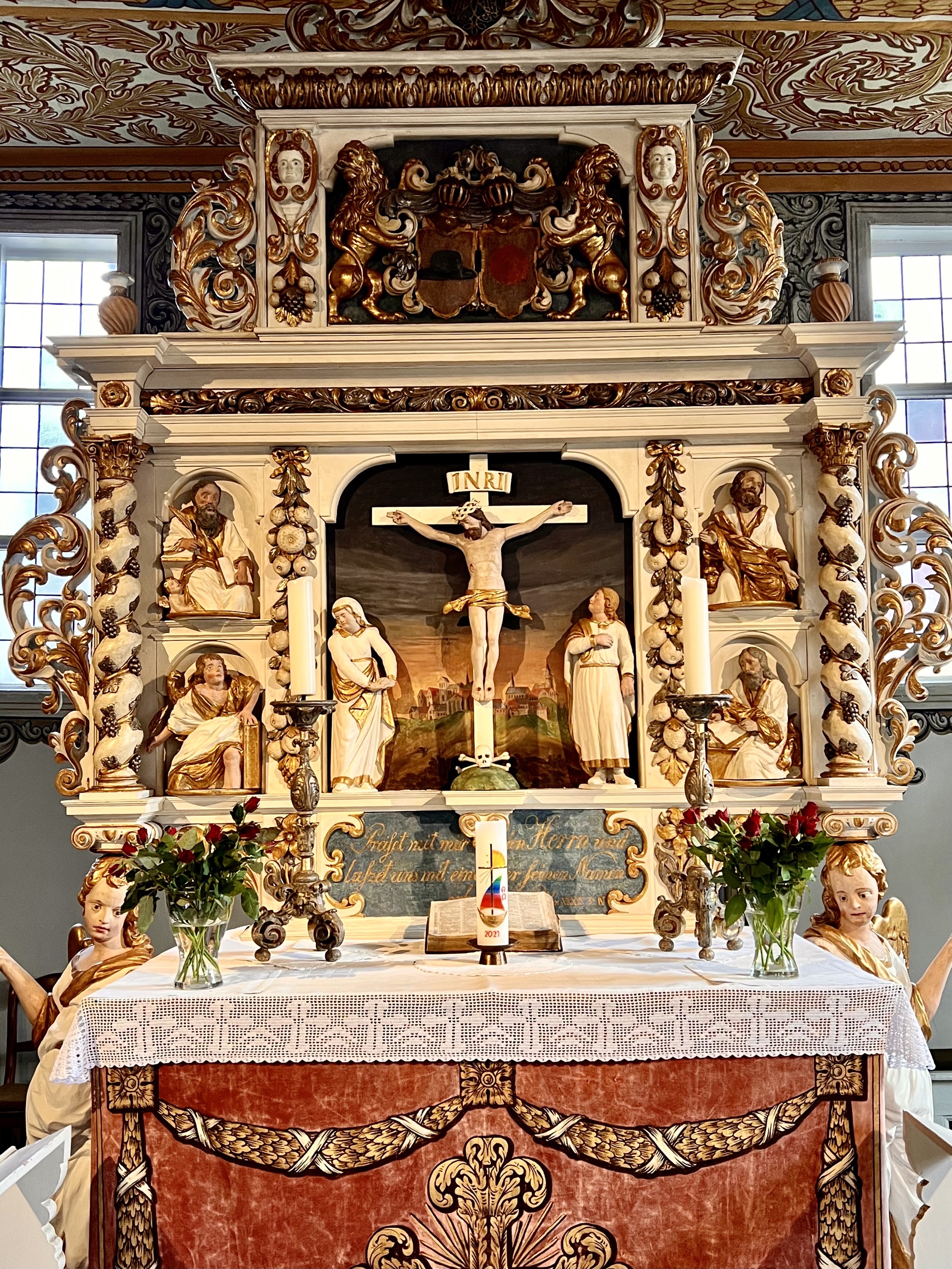
So scattered through this entry are the photographs of the inside of the chapel, including the very simple appearing but very expensive made in Italy electronic organ with a few silver pipes.
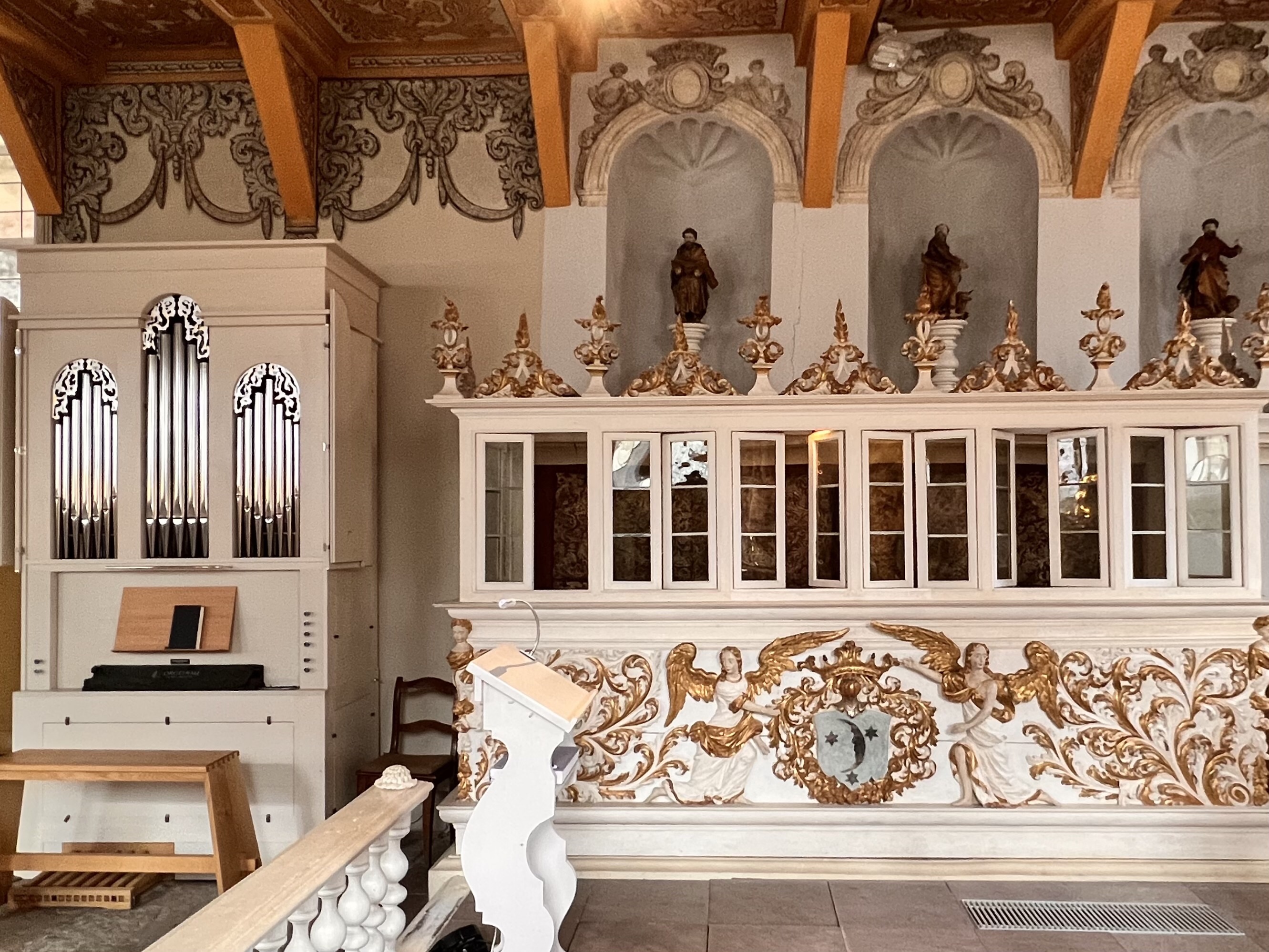
But what the Stechinelli chapel revealed to me, a transplanted native of Buncombe County, is the dramatic difference between Germany and Western North Carolina. No where in Swannanoa or Old Fort or Canton or Hendersonville is there anything resembling the Stechinelli Chapel, the church of a village near Winsen where Heinrich began first taught in a one room school with the first eight grades mixed together, a farming village filled with huge houses with the barns connected to the house. This is an unremarkable Lower Saxony village, but home to a chapel with the closest thing resembling it near me being the Biltmore House in a made for the workers village of Biltmore beside it. But the Biltmore House, built by the son of Cornelius Vanderbilt who got rich through steamships and railroads, is not an American house. It is a European house filled with European tapestries and paintings and sculptures and designed by Americanized European architects and designers. Swannanoa, except for the banjo and the guitar and Appalachian folk music, lacks culture. The Swannanoa Chamber Players have changed their name to the Carolina Chamber Players because Swannanoa sounds to rustic and local and the music they play comes more from Germany and Italy more than the United States. But the Stechinelli Chapel is a local church where Heinrich and Elke went on Sunday and where their son, Christian, was baptized.
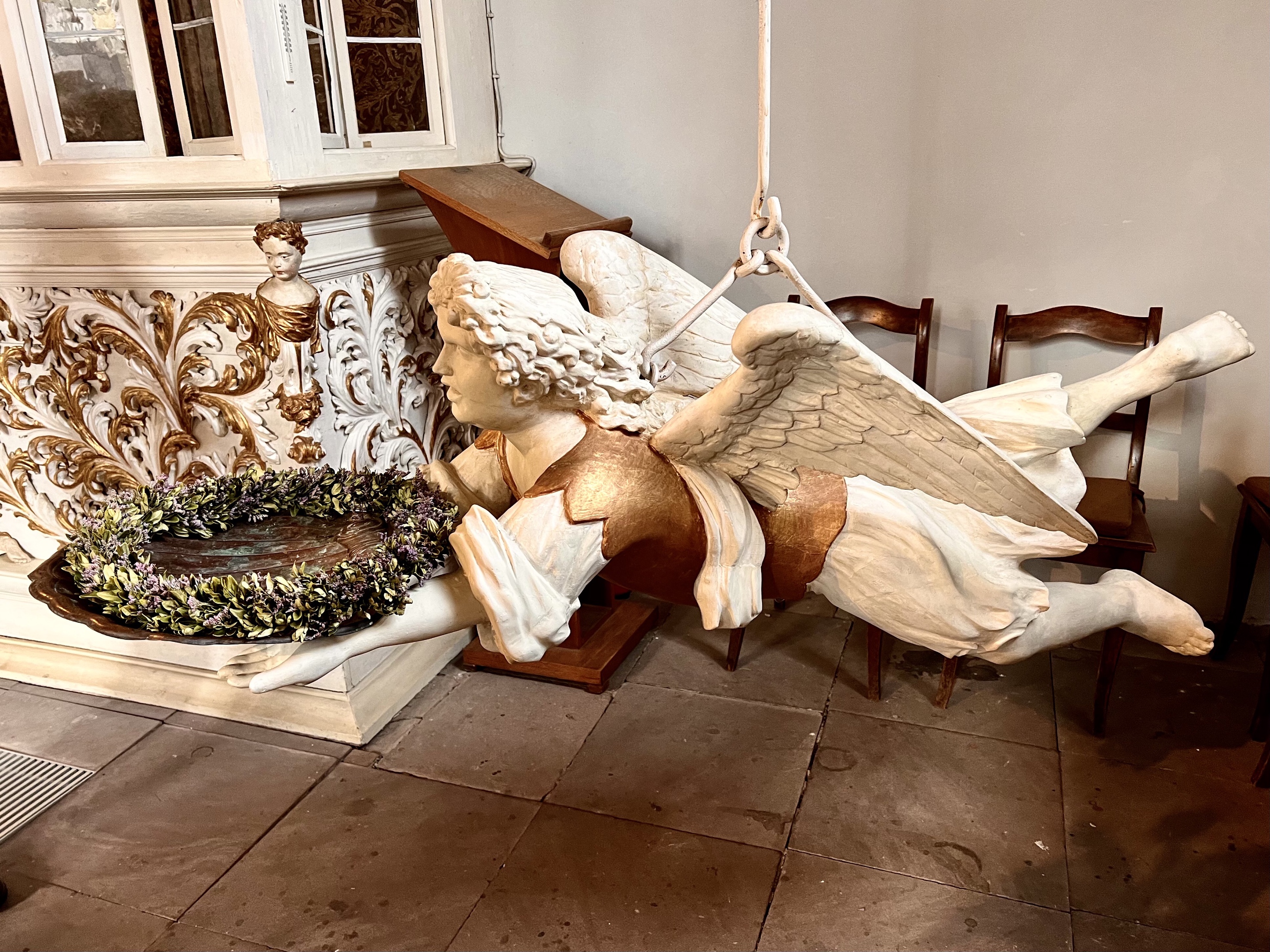
That is what knocked me out about the Stechinelli chapel. It is local and the culture of Wietze is local culture, German culture. Stechinelli was ingratiating himself with the local rich farmers who sat in private pews in the first three rows almost hiding was going on from the ordinary people sitting behind them.
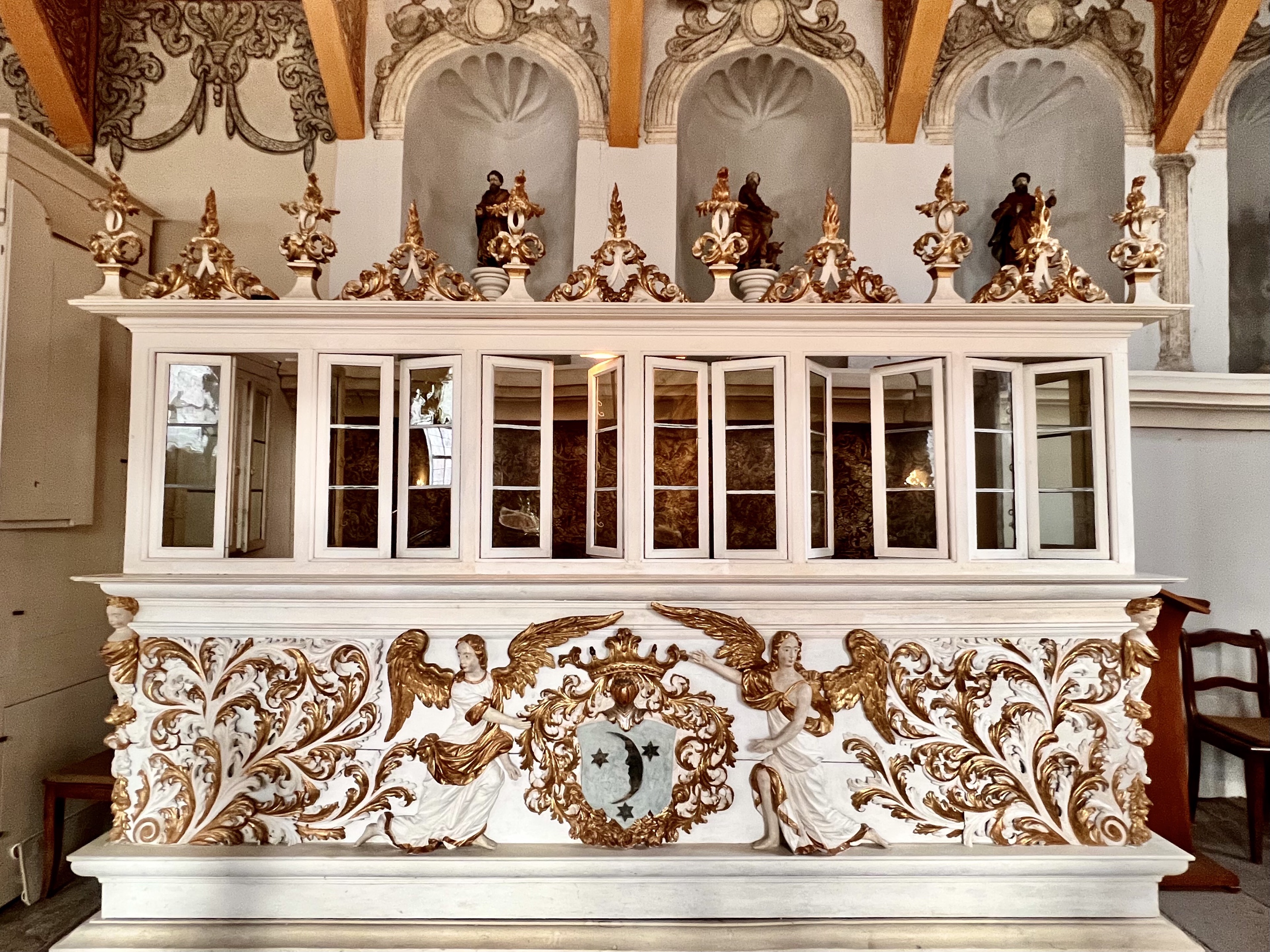
What amazed me was that this amazing chapel was just down the road in an ordinary village. My thought at I stepped out the door was that I certainly wasn‘t in Swannanoa any more, and that nothing like this was possible in Swannanoa or anywhere around. And that is my revelation of the day.

 BILLYBABA’S WANDERING