IRONY
Looking from the outside is different than looking from the inside. These are just a few of the things that strike me about Germany that may or may not connect loosely with the two different perspectives on the world that I mentioned in the previous post.
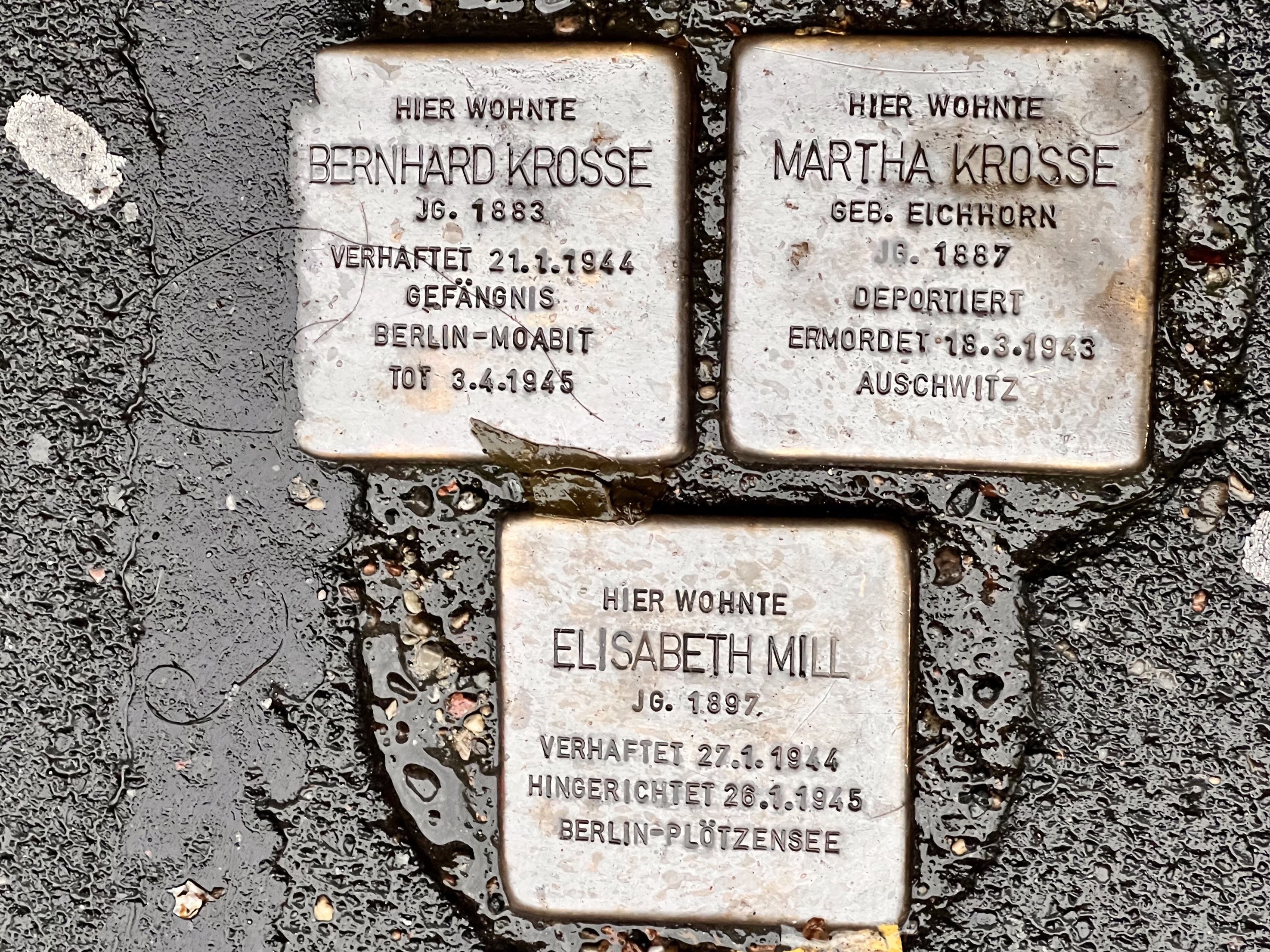
One is the stumble stones that I encountered as I walked to the train station as I was leaving Aschaffenburg. These are small brass memorial plates that are placed in the sidewalk in front of the houses where Jewish Germans lived before the Second World War and indicate what their fate was under Hitler. These plates are all over Germany in front of every house from which Jews were displaced. On the plates are name and dates of birth and death and where they murdered (the word used) or died. From a conservative perspective this can be seen as a plot to weaken the German people’s pride and to make them impotent so that they will never be a threat again, a plot concocted by Winston Churchill, who wanted to destroy the Germans, and carried on by German elites and Jewish influence. From my perspective these brass plaques showed that Germany was confronting their own guilt while American’s struggle to confront the genocide of Native Americans, land grabs from Latin Americans, and the horror of slavery is still not fully recognized, a guilt not faced head on.
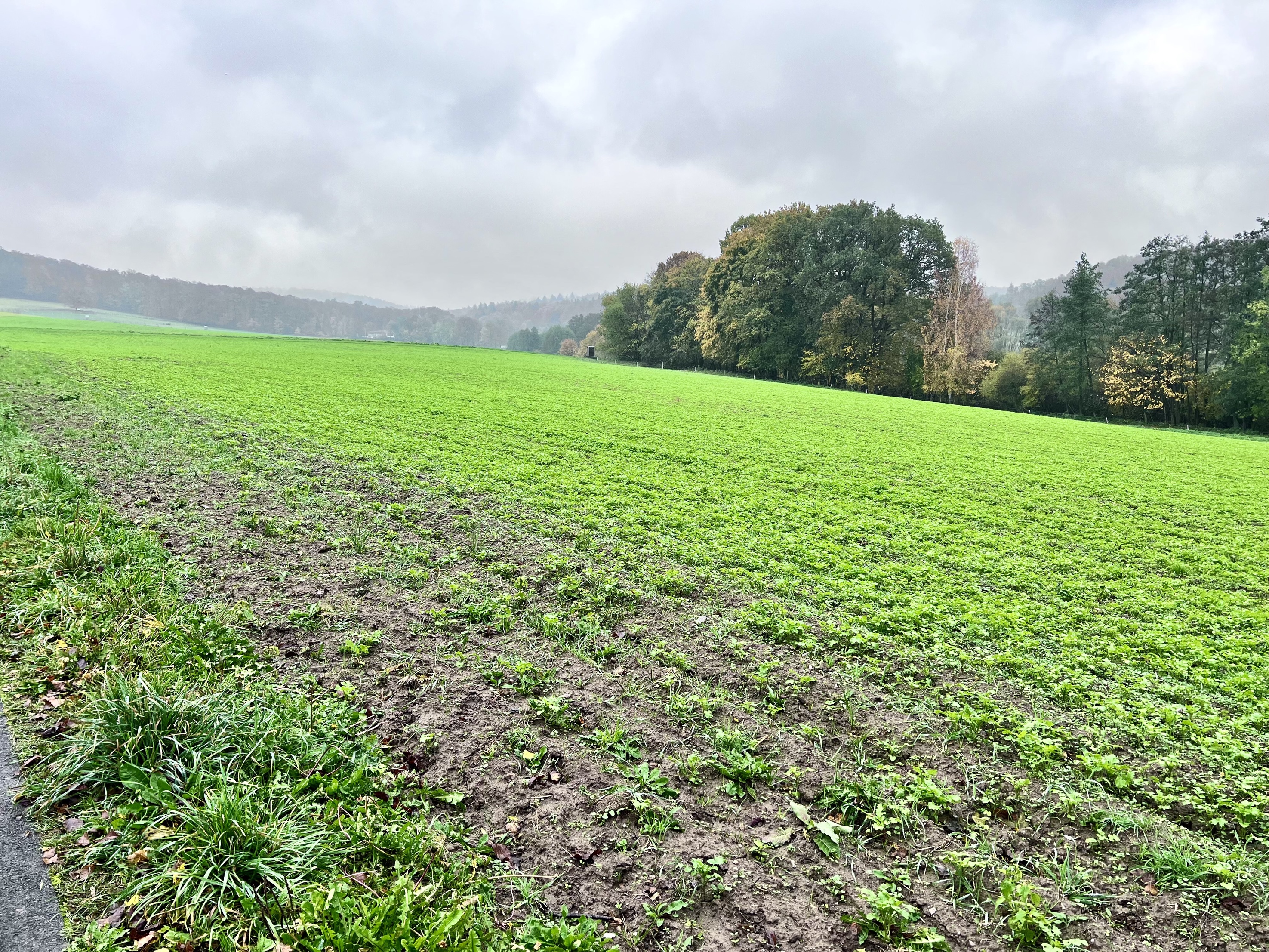
A second example of a different value that is so noticeable from the outside is the large meadow in front of Margit’s house which had a dozen bulls housed in it. It is at the edge of the village and beyond the edge is no sign of urban life. As I passed village after village in the smooth, swift, silent train what was most noticeable was the clean dividing line between village and farmland or forest. There were no scattered farm houses, no strip malls along the road out of town or gas station or convenience stores along the highway. Cows graze up to the village limits with not a billboard or building beyond the city limits. Farmers, themselves live within the village and farm outside the village. This extreme zoning, from an American perspective, makes Germany clean and ordered and beautiful. The odd thing,for me, was that although some German conservatives are furious at the government for ordering, forcing, them to wear masks, they are quite accepting of draconian zoning and strict limits on gun ownership and the enforcement of strict traffic laws. Bolko’S car indicated every change in the speed limit on the dashboard of his car and beeped if he went over it. The speed limit seemed to change every hundred yards. We would speed up, slow down, fly, crawl all of the time being careful to avoid the flash of a camera light which would record our license plate and and result in a notice of a huge fine sent through the mail. No cops roaring out from behind bushes, this was a super efficient way to catch speeders and prevent speeding. It also seemed to me as an American to be the heavy hand of the government.
As an American, German order can seem claustrophobic. Even on the train there is absolute hushed silence. And no one crosses the street until the green pedestrian sign comes on, while in Greece people are loud everywhere and impatient to cross the street, green or red, whenever it seems possible to do so. So Germans insisting on freedom seems odd to me as an American, when they submit to so much more regulation than we do. To see the effects of unbridled freedom from zoning you only have to drive through the hodge podge of Swannanoa with clutter and kitsch everywhere.

A thing I was curious about was an issue I wondered about before. Greeks have flat roofs, Americans have slanted roofs, Germans have peaked roofs. My American slanted roof is wasted space. I wanted to see what was in a German steeply peaked roof. It turns out that much of it is usable as in this picture of Margit’s peaked German roof. But somehow I have the feeling that there is no reason for different countries having different kinds of roof. Greek roofs are painted white, American roofs have tarpaper shingles and need to be reroofed every 15 years, German peaked roofs have red tiles. I have no idea why.
And the same may be somewhat true of the differing values of different cultures. There may be no right or wrong, fair or unfair, cultural values may be different for no discernible reason at all. If so, we may just need to accept each other as we are and live with our differences without judgment.
 BILLYBABA’S WANDERING